Malawi Gets Africa's Battery to Beat Climate Blackouts
After devastating cyclones knocked out power across Malawi, the country just switched on Africa's first major battery system that stores renewable energy and keeps the lights on during storms. The 20-megawatt facility will cut 10,000 tonnes of carbon yearly while unlocking enough clean energy to power thousands more homes.
When Cyclones Anna and Freddy tore through Malawi, they didn't just bring wind and rain. They plunged hospitals, schools, and entire cities into darkness for weeks, forcing the country to burn expensive diesel just to keep essential services alive.
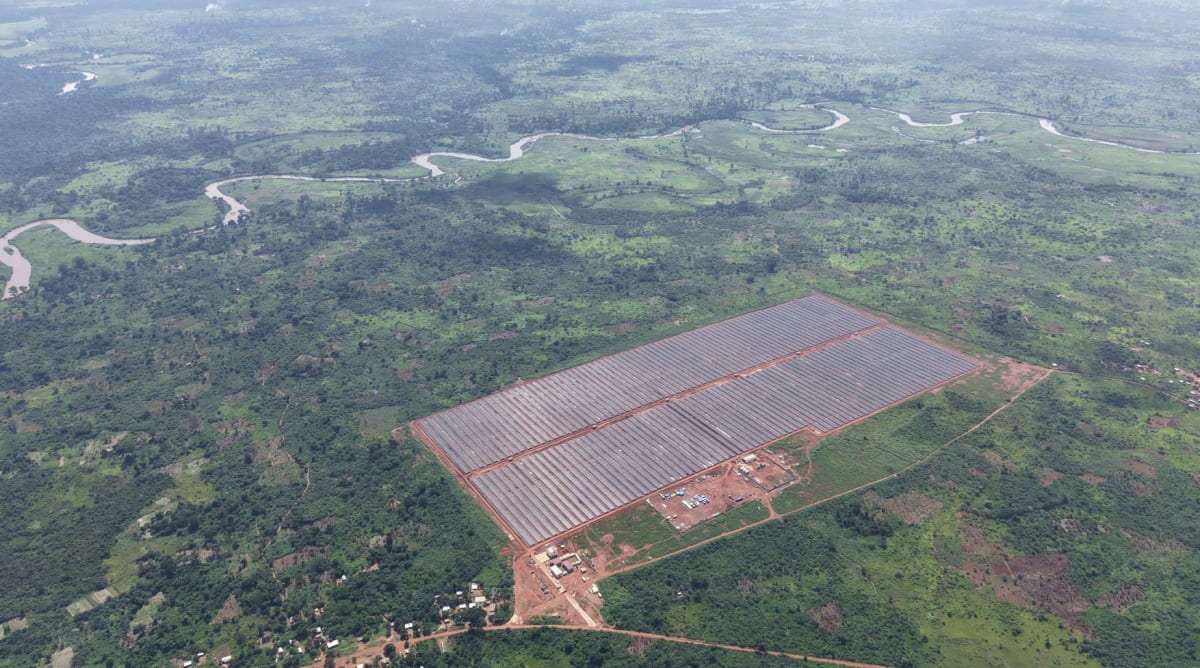
Now Malawi has an answer. The country just commissioned its first utility-scale battery storage facility in Kanengo, Lilongwe, a 20-megawatt system that acts like a massive power bank for the national grid.
Here's how it works: when renewable energy production is high and demand is low, the batteries store the excess electricity. When storms hit or demand spikes, they release that power instantly, keeping the grid stable without firing up polluting diesel generators.
The $20 million facility, developed by Malawi's Electricity Supply Corporation with support from the Global Energy Alliance for People and Planet, solves a problem that has plagued the country for years. Malawi relies heavily on hydropower, which sounds clean until droughts dry up rivers or floods damage the infrastructure that delivers electricity to homes and businesses.
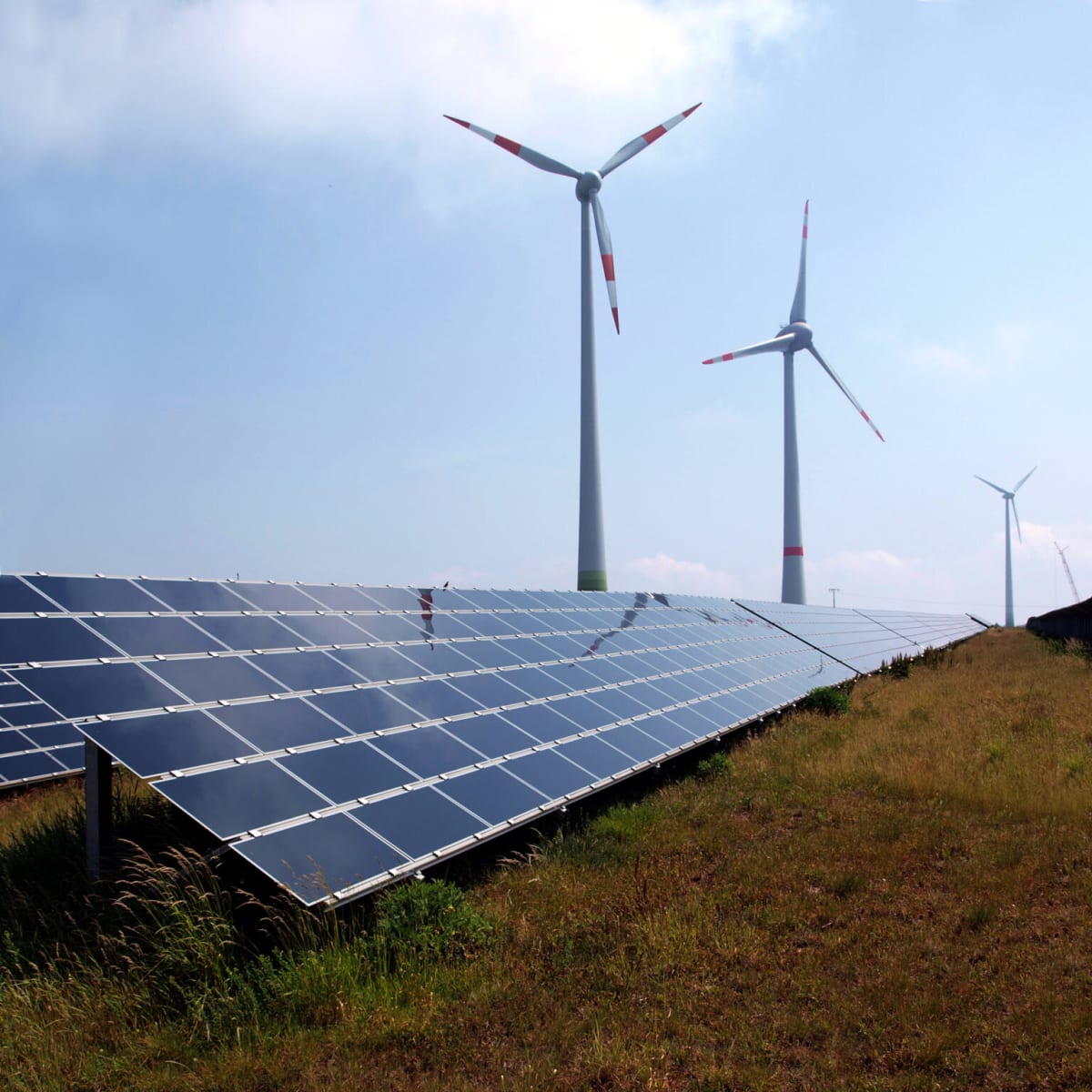
"This project was envisioned after Cyclones Anna and Freddy exposed the fragility of Malawi's hydropower-dependent grid," says Carol Koech, vice president for Africa at GEAPP. The battery system will unlock about 100 megawatts of renewable energy that previously went to waste because the grid couldn't handle it.
The Ripple Effect
Reliable electricity transforms lives in ways that go far beyond flipping a light switch. Farmers can run irrigation systems and cold storage without worrying about spoiled crops. Manufacturers can plan production without factoring in blackout losses.
Small businesses won't need to choose between closing early or running expensive backup generators. "A reliable electricity supply means manufacturers do not have to worry about production losses or the high costs associated with alternative power sources," Koech explains.
The benefits stretch beyond Malawi's borders too. The country sits within the Southern African Power Pool, a regional electricity market connecting multiple countries. With a stable grid powered by battery storage, Malawi can trade electricity with neighbors like Mozambique, Zambia, and Tanzania, sharing clean energy across the region when it's needed most.
Perhaps the most exciting part is what comes next. A battery storage training center at Mzuzu University will teach engineers and energy specialists across Africa how to design and operate similar systems. "We are building a local ecosystem for battery storage in Africa," Koech says, ensuring African countries can lead their own clean energy transitions.
The system will help Malawi reach its goal of bringing electricity to 70 percent of the population by 2030 while avoiding more than 10,000 tonnes of carbon emissions every year.
Based on reporting by AllAfrica - Environment
This story was written by BrightWire based on verified news reports.
Spread the positivity!
Share this good news with someone who needs it