Malaysia Aims for Self-Driving Cars by 2030
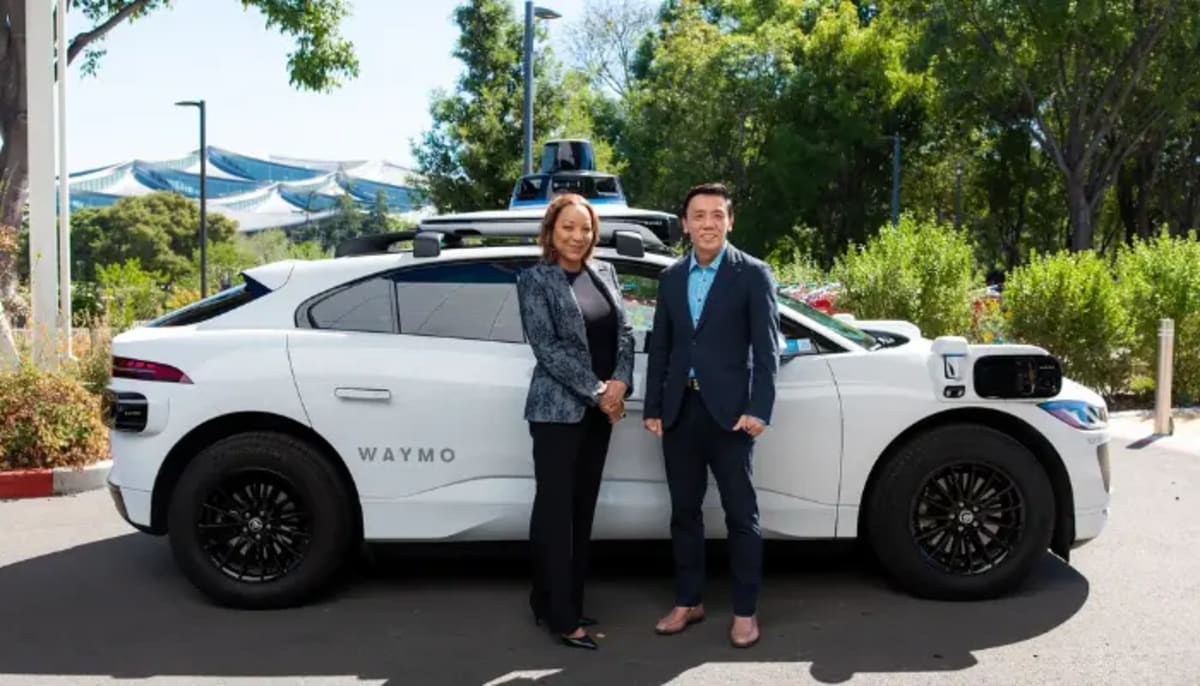
Malaysia is preparing to become a regional leader in autonomous vehicle technology, with an ambitious plan to achieve Level 3 self-driving capability within four years. The government is calling on the automotive industry to start preparing now for a future that's closer than many think.
Malaysia is racing toward a future where cars can drive themselves, and the government wants the entire country ready by 2030.
Deputy Minister of Investment, Trade and Industry Sim Tze Tzin announced the ambitious target for Level 3 autonomous driving, urging local industries to shift their focus beyond traditional vehicle manufacturing. Level 3 technology allows vehicles to drive themselves in specific conditions while drivers remain alert to take control when needed.
"While we are working hard to catch up with today's technology, we must not lose sight of what is coming next," Sim said. He believes autonomous driving represents the true future of mobility, and Malaysia can lead the region if it starts building the foundation now.
The shift requires more than just car manufacturers getting on board. Sim explained that autonomous driving demands major changes across multiple sectors, including semiconductor design, software development, sensor manufacturing, and infrastructure upgrades.
The Malaysia Automotive, Robotics and IoT Institute (MARii) will lead the groundwork for this initiative. Local vendors will need to upgrade their capabilities to supply the chips, sensors, and software that make self-driving technology possible.
Road infrastructure must also evolve. Sim emphasized that local authorities and the public works department must improve road conditions, signage, and supporting facilities because autonomous vehicles rely on clear, consistent infrastructure to function safely.
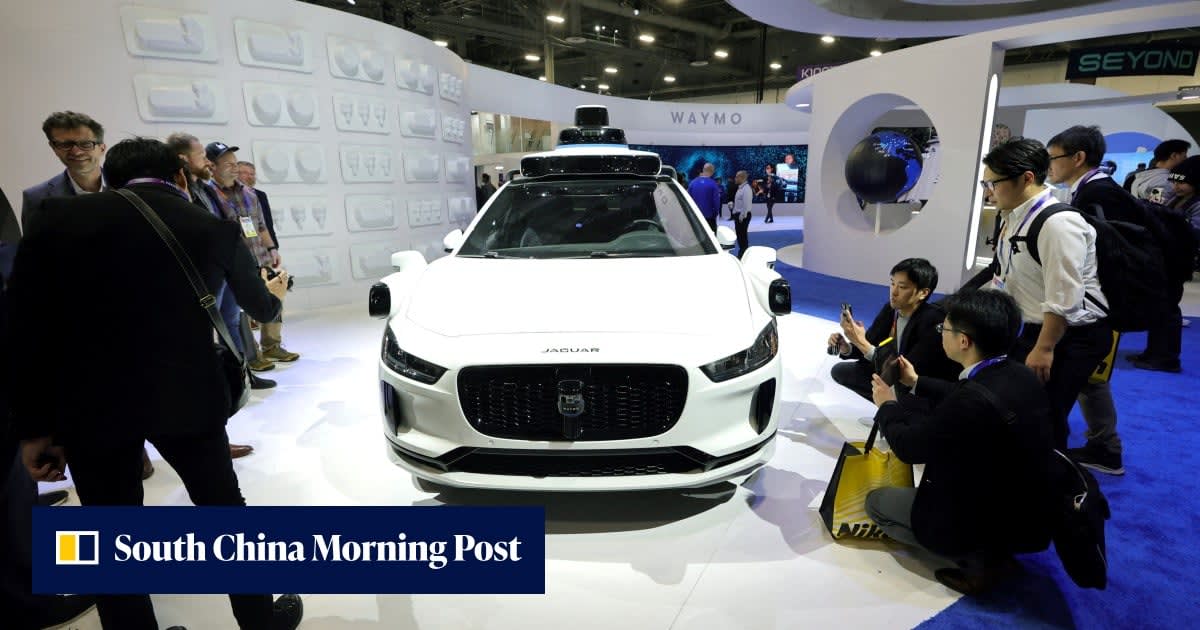
The urgency comes from watching how quickly the technology is spreading elsewhere. In the United States, autonomous driving expanded from about four cities last year to around 40 this year, with 60 more cities expected next year.
The Ripple Effect
Malaysia's push into autonomous driving could transform the country's economic position in Southeast Asia. By positioning local companies as suppliers of critical components like chips and sensors, the initiative creates new opportunities across the technology sector.
The early groundwork has already begun. Back in 2020, Malaysia defined its first autonomous vehicle test routes in Cyberjaya, with eMoovit Technology becoming the first company approved to test on public roads.
Now the conversation is expanding from pilot programs to national readiness. "I think this is where the conversation needs to begin because we are still too focused on manufacturing traditional vehicles," Sim said.
The timeline is tight but intentional. By setting a 2030 target, Malaysia gives industries, infrastructure developers, and regulatory bodies enough time to prepare while maintaining momentum.
Malaysia isn't just preparing for the future—it's actively building it, one sensor and road sign at a time.
More Images




Based on reporting by Regional: malaysia technology (MY)
This story was written by BrightWire based on verified news reports.
Spread the positivity!
Share this good news with someone who needs it