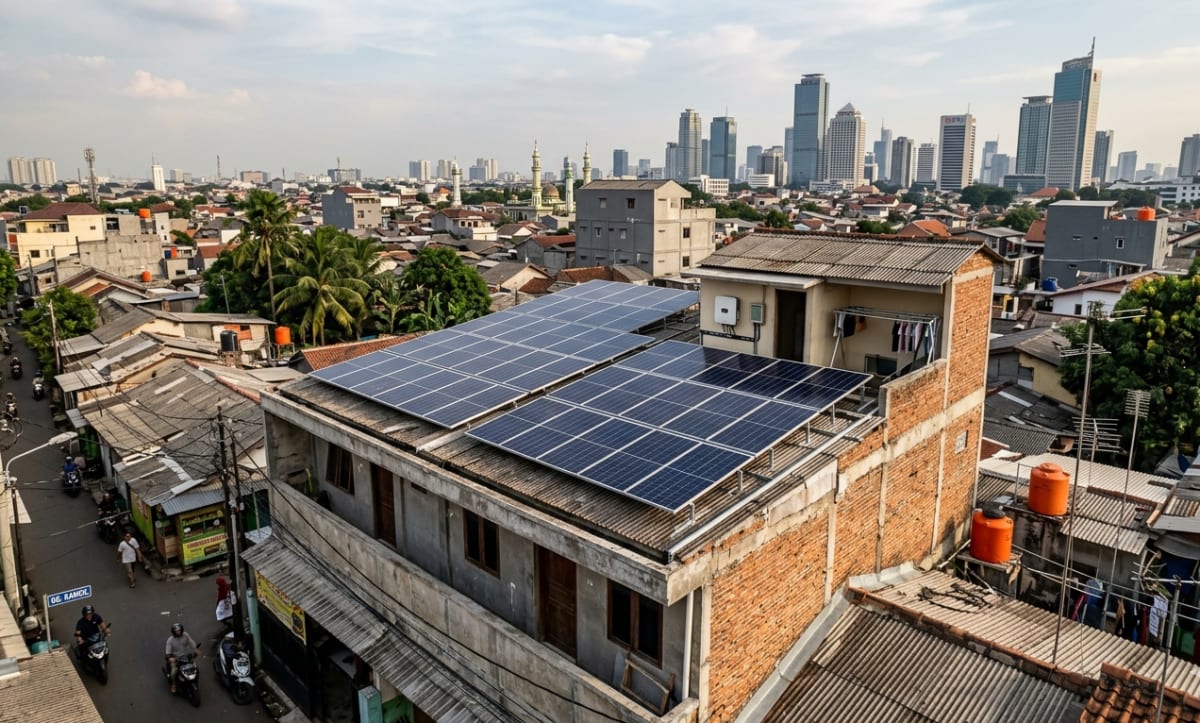
Malaysia Opens Solar Power to 1.7 Million Homes
Malaysia just made it easier for homeowners to install rooftop solar panels and sell extra power back to the grid. The new guidelines could unlock clean energy for millions while slashing electricity bills.
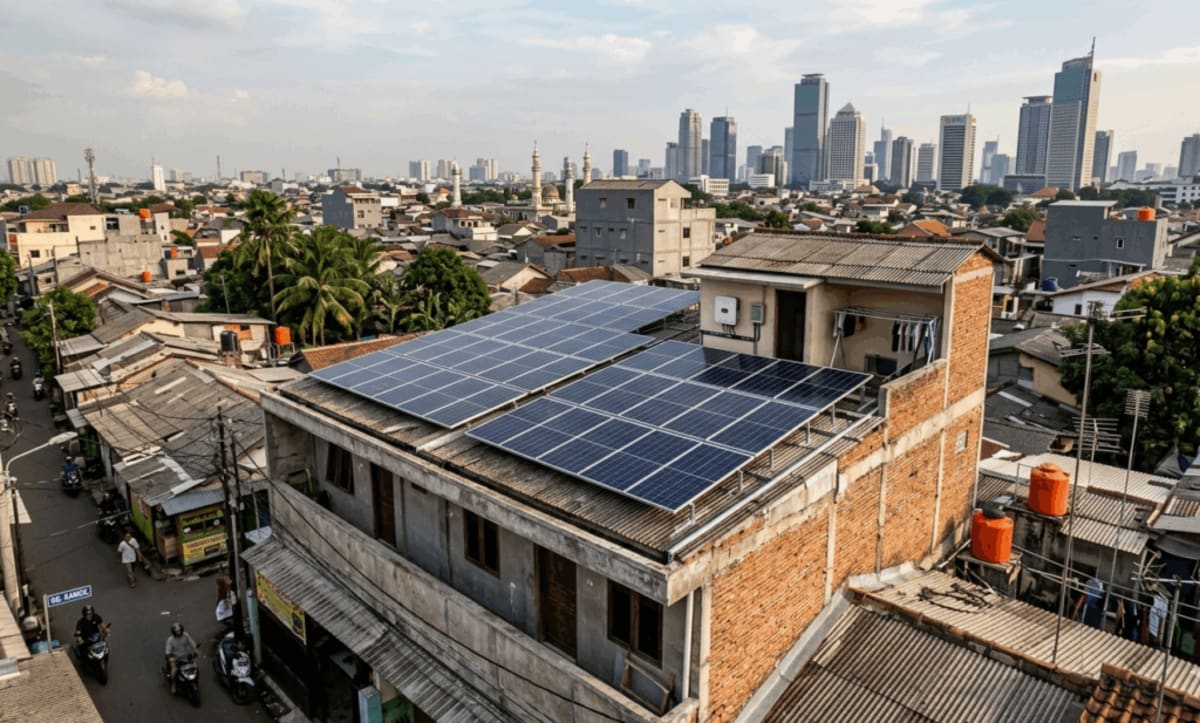
Malaysian families can now turn their rooftops into mini power plants thanks to clearer rules that make solar energy more accessible than ever. The country's energy regulator just published straightforward guidelines for two programs that let homeowners generate their own electricity and get credit for the extra.
Here's how it works: homeowners install solar panels on their roofs, use what they need, and send leftover electricity back to the national grid. For every unit of power they contribute, they get a credit that offsets their electric bill for up to 12 months.
The NEM Rakyat program targets everyday homeowners with systems that can power typical houses, while the larger NEM GoMEn program allows businesses and government buildings to install much bigger arrays. Both programs operate under the national utility Tenaga Nasional Berhad and follow a simple one-to-one credit system.
Malaysia has been refining this approach since 2016, when net metering replaced an older incentive program. After initial uptake was slow, the government listened and revised the system multiple times to make it more attractive.
The improvements worked. Today, about 1.7 gigawatts of solar systems are already humming on Malaysian rooftops under these programs. That's enough to power roughly 340,000 homes. Another 595 megawatts are currently being installed.
The programs run for 10 years, giving families a full decade to benefit from energy credits before their systems switch to self-consumption mode. The government has set aside a total quota of 2.5 gigawatts, showing serious commitment to solar expansion.
The Ripple Effect
Beyond individual savings, this push represents Malaysia's broader shift toward clean energy independence. Every rooftop that goes solar reduces strain on the national grid and cuts carbon emissions. As more families join in, the collective impact grows exponentially.
The new guidelines remove confusion that once held people back, spelling out technical requirements, connection standards, and application processes in plain language. Homeowners no longer need to guess whether they qualify or how the system works.
Malaysia is proving that renewable energy doesn't require massive solar farms to make a difference. Sometimes the best solutions start right above our heads.
More Images


Based on reporting by PV Magazine
This story was written by BrightWire based on verified news reports.
Spread the positivity!
Share this good news with someone who needs it


%20-%202.png)