Bangladesh Mandates Solar Power for 6 Million Rickshaws
Bangladesh just made solar charging mandatory for its 6 million electric rickshaws, turning a grid strain into a green energy opportunity. The shift could spark thousands of new jobs while cleaning up transportation for millions of families.
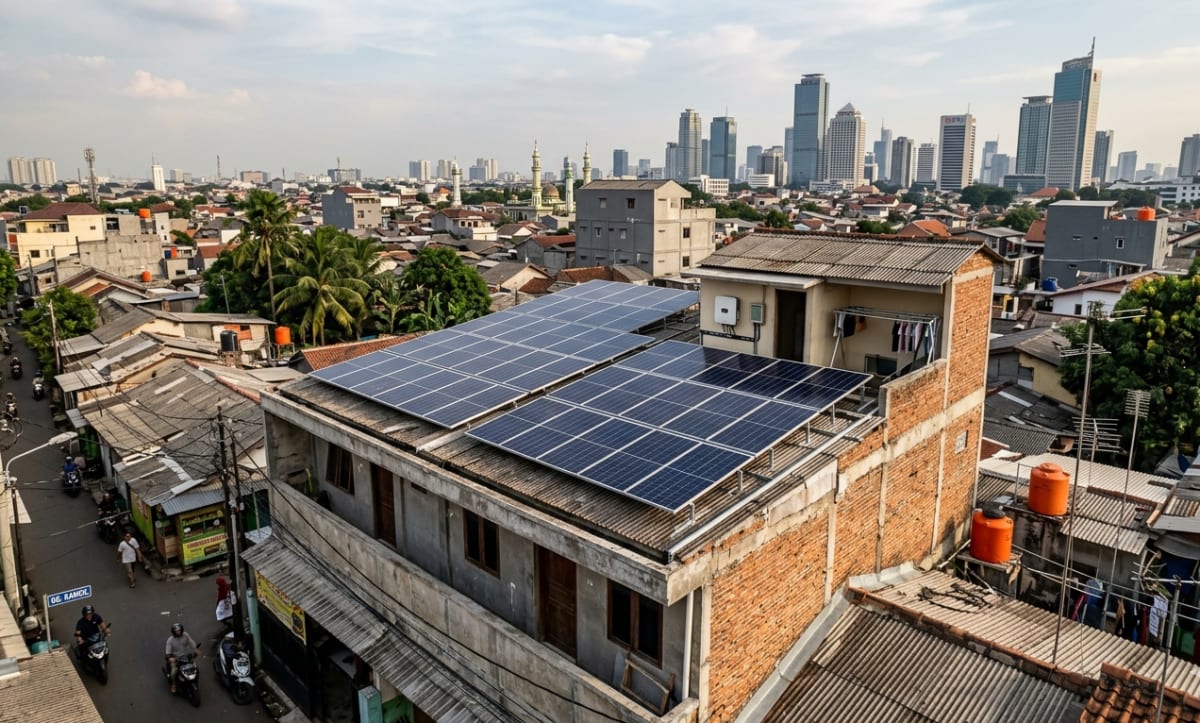
Bangladesh just turned a nationwide electricity problem into a massive clean energy opportunity by requiring its 6 million electric rickshaws to charge with solar power instead of the grid.
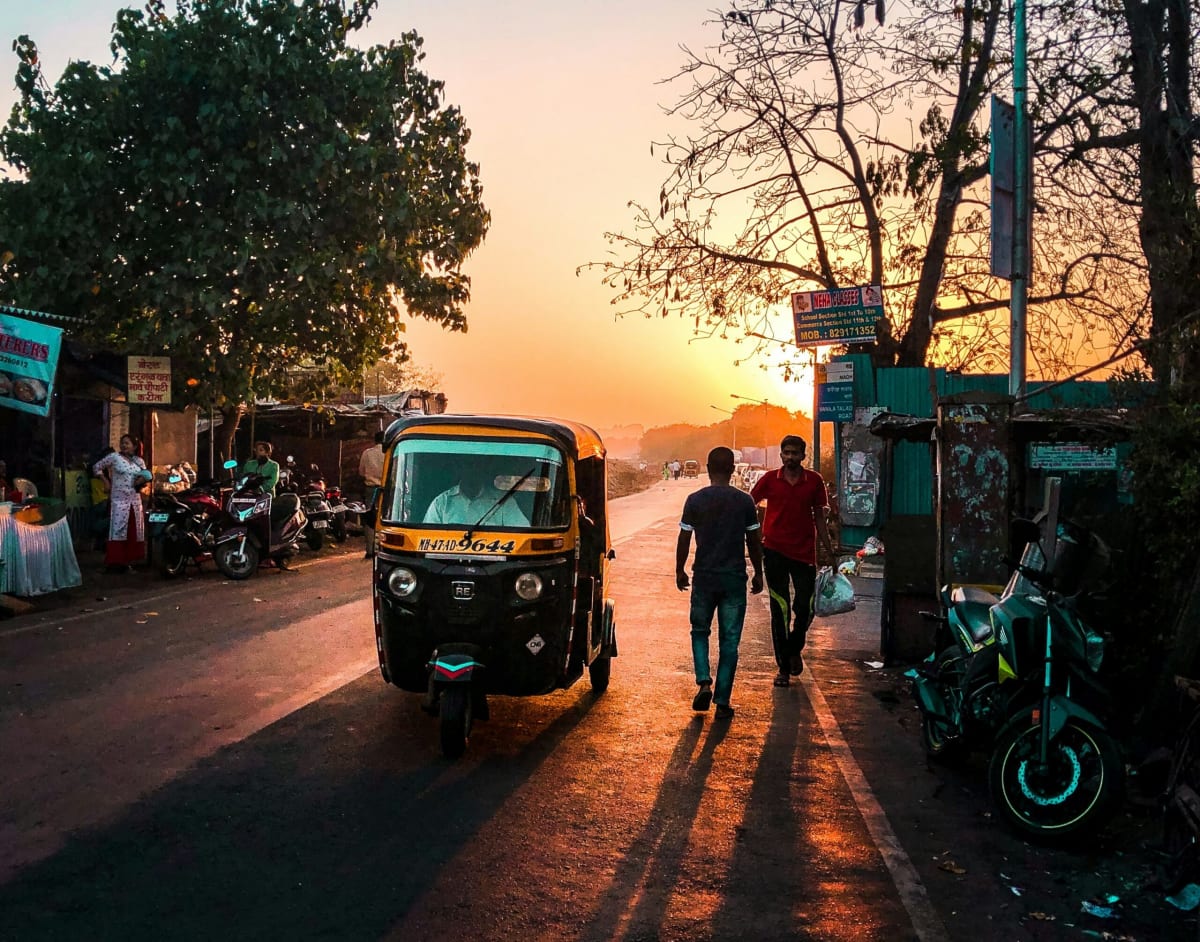
The battery-powered three-wheelers have become lifelines for lower-income families across Bangladesh, providing affordable transport and jobs for an estimated 20 million people. But there's been a catch: most operated illegally, plugging into grid connections at night and consuming up to 1,000 megawatts of electricity. That's roughly 5% of the country's total power generation.
State Minister for Local Government Mir Shahe Alam announced this week that rickshaws must now register with city corporations and municipalities nationwide. To qualify, they'll need to charge exclusively with solar power, with fines for violations.
The mandate addresses frequent power cuts that have plagued the country, but it does something even bigger. It's creating an entirely new industry overnight.
The Ripple Effect
Within hours of the announcement, investors started calling. Ezaz Al Qudrat A Mazid, managing director of Solar EPC Development Ltd., received a call from someone wanting to set up 30 solar charging stations immediately. "The conversion will enhance green power generation, boost investment, and create employment," he told PV Magazine.
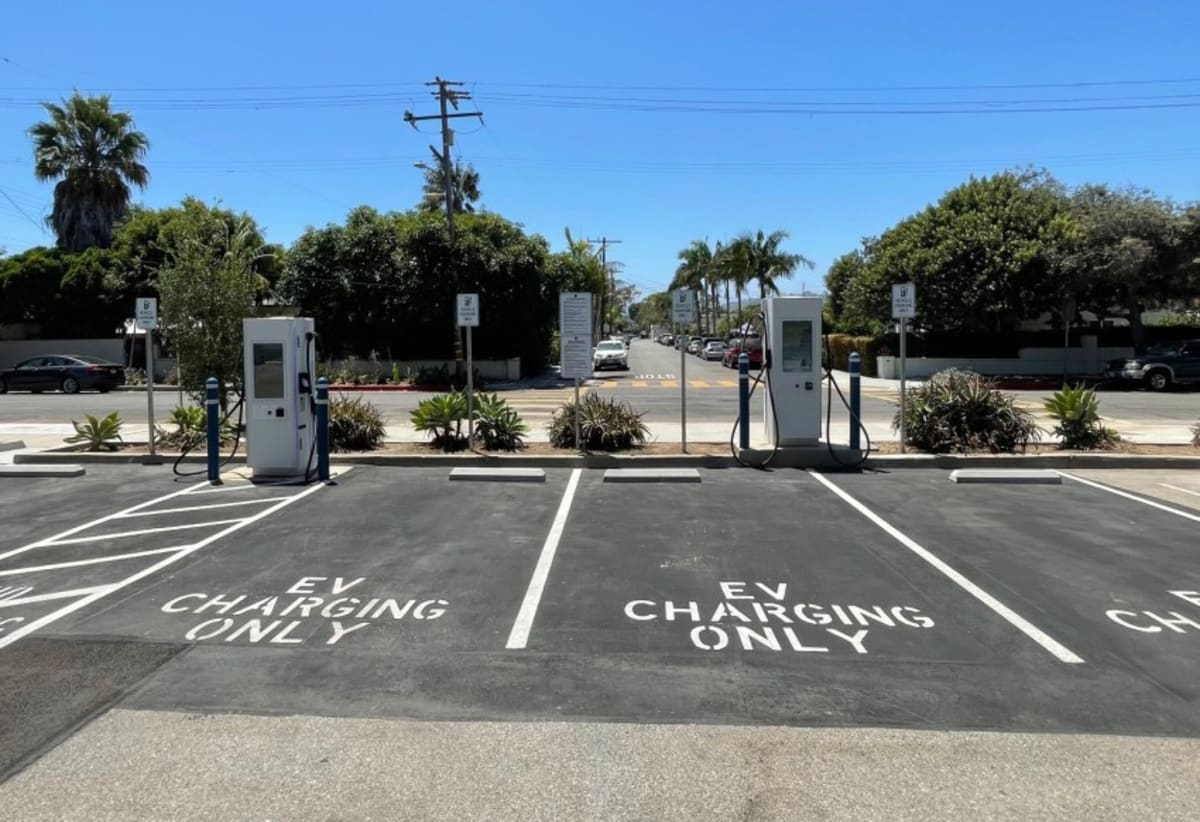
The math gets exciting fast. Mostafa Al Mahmud, president of the Bangladesh Sustainable and Renewable Energy Association, estimates that if just 5,000 solar charging stations emerge, that means 5,000 new investors and entrepreneurs getting involved right away. The number could grow from there, building an investment ecosystem across cities and rural areas alike.
For the millions of young people who drive these rickshaws to earn a living, the change means legitimacy. Instead of operating in legal grey areas, they'll have registered vehicles and access to proper charging infrastructure.
The government is currently preparing regulations to implement the legislation under existing law. Industry leaders are pushing for net metering to be included in the policy, which would allow charging stations to sell excess power back to the grid and make the economics work even better.
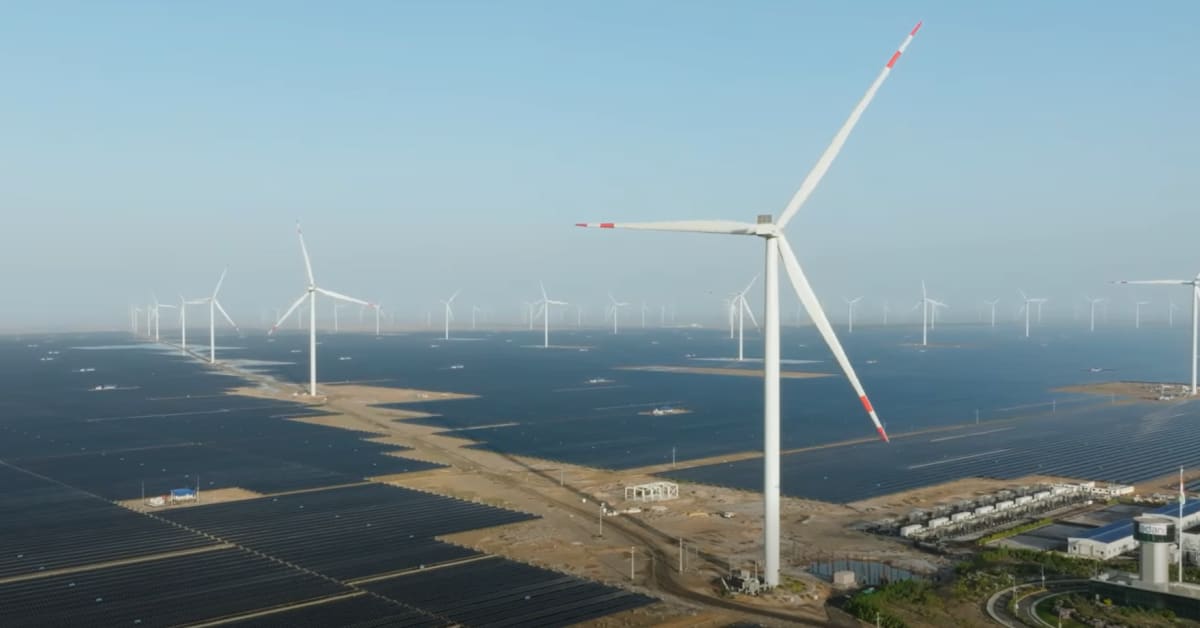
Bangladesh is essentially creating a decentralized solar network by harnessing the charging needs of millions of vehicles already on the road. What started as a burden on the electrical grid could become a model for green transportation in developing countries worldwide.
More Images

Based on reporting by PV Magazine
This story was written by BrightWire based on verified news reports.
Spread the positivity!
Share this good news with someone who needs it