Malaysia Orders Rare Earth Plant to End Radioactive Waste
Malaysia just gave an Australian mining company a decade to prove it can produce critical minerals without leaving behind radioactive waste. The bold move could reshape how the world sources rare earth minerals outside of China.
Malaysia is betting on clean innovation rather than shutting down a controversial facility that produces materials essential for smartphones, electric vehicles, and modern life.
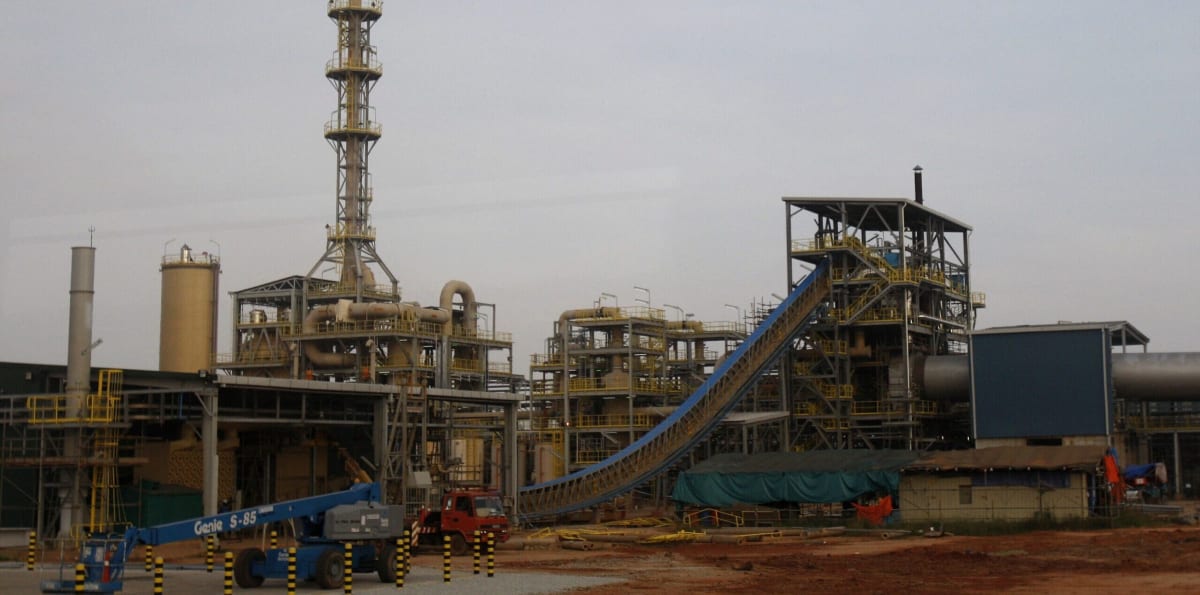
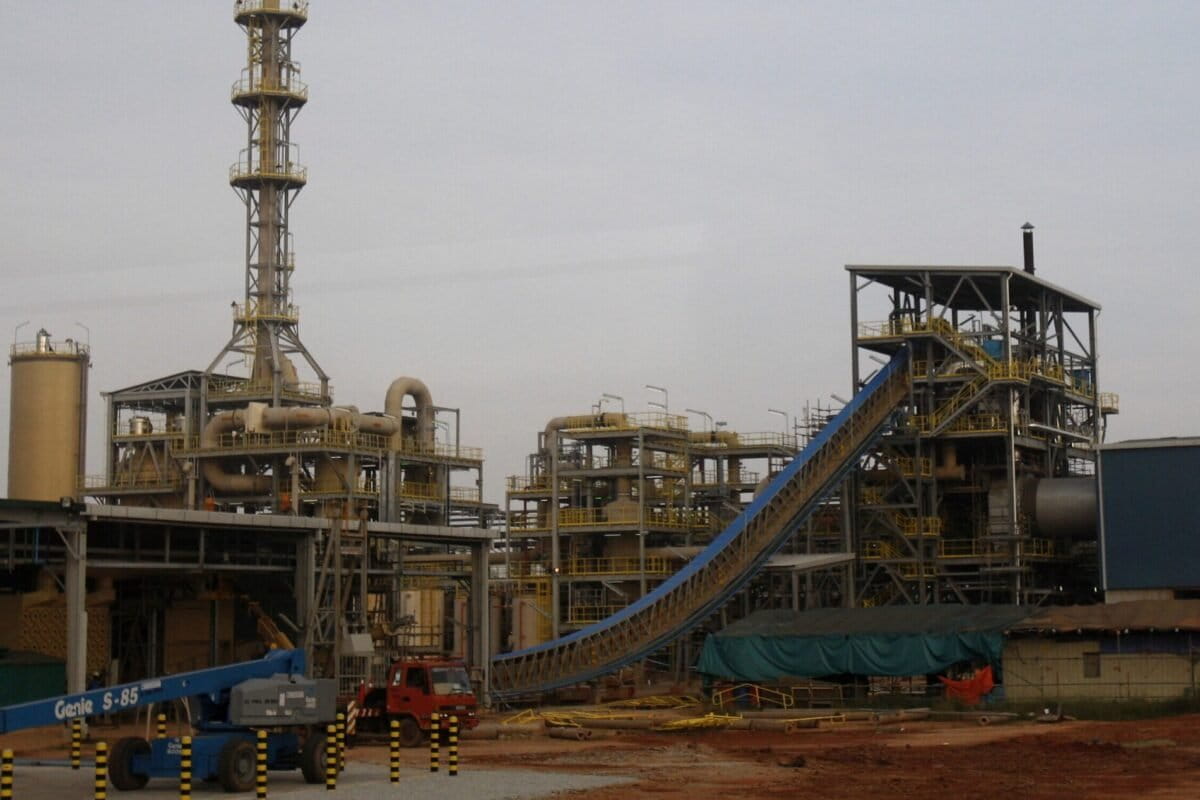
The government renewed Lynas Rare Earths' operating license for 10 years but attached a groundbreaking condition. By 2031, the Australian company must stop producing radioactive waste at its refinery in Pahang state, or the license gets revoked.
The facility has operated since 2012 as the first rare earth refinery outside China, producing minerals that power everything from camera lenses to hybrid cars. But it's also accumulated radioactive waste containing thorium and uranium, sparking years of protests from environmental groups and local residents.
Science Minister Chang Lih Kang announced the solution on Monday. Lynas has five years to retrofit its facilities and develop thorium extraction technology that neutralizes radiation in the waste. Lab tests show the method works, but scaling it to industrial levels typically takes seven to 10 years.
The company gets a firm but accelerated timeline because the stakes are enormous. China controls nearly all the world's rare earth supply despite having only a third of global reserves. Lynas could meet almost a third of world demand outside China, making it strategically vital for countries trying to reduce dependence on a single supplier.
Malaysia's last rare earth refinery, operated by Mitsubishi in the 1990s, closed after protests linked it to birth defects and leukemia. That facility became one of Asia's largest radioactive waste cleanup sites, a cautionary tale that shaped this decision.
The new license includes strict safeguards. Existing radioactive waste will go into a permanent disposal facility due for completion by year's end. No new permanent disposal sites will be allowed, forcing innovation rather than accumulation.
The Bright Side
This isn't a compromise between economy and environment. It's a mandate for both. Malaysia refused to choose between strategic minerals and public health, instead demanding the mining industry invent its way out of creating harmful waste.
If Lynas succeeds, it proves rare earth production can be clean at industrial scale. That breakthrough would pressure other facilities worldwide to adopt similar standards, potentially transforming an industry long criticized for environmental damage.
The five-year review built into the license means Malaysia can course-correct quickly if progress stalls. The government kept its promise to prevent waste accumulation while keeping a strategically important facility operating.
Malaysia just showed the world that developing nations don't have to accept pollution as the price of economic participation.
More Images



Based on reporting by Mongabay
This story was written by BrightWire based on verified news reports.
Spread the positivity!
Share this good news with someone who needs it