Malaysia Restores 66% of Destroyed Seagrass Meadow in 10 Years
Scientists in Malaysia brought a destroyed underwater meadow back to life after coastal development wiped it out, proving that even heavily damaged ocean ecosystems can recover. Their decade of work offers hope for seagrass restoration across the Indo-Pacific.
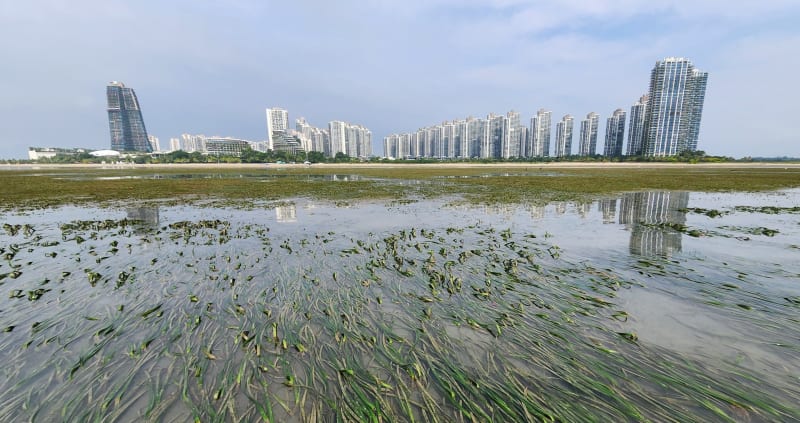
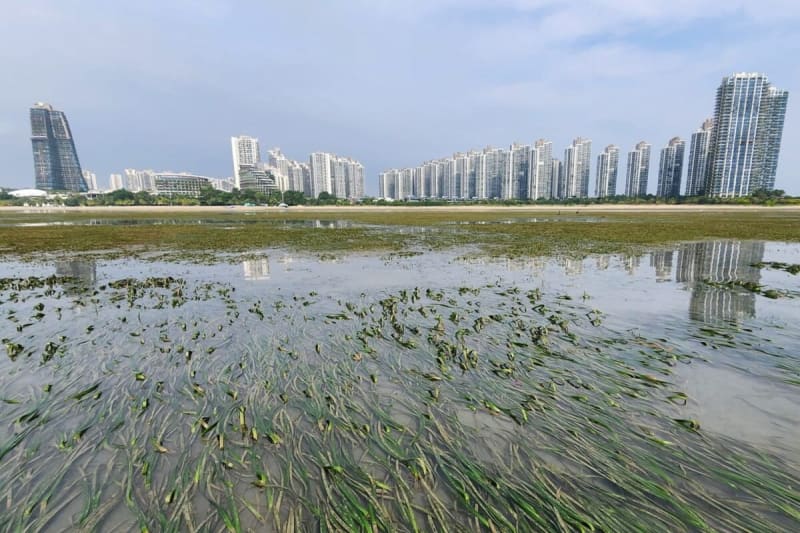
When dredgers building Malaysia's "Forest City" destroyed 25 acres of underwater seagrass meadow in 2014, it looked like a lost cause. Today, crabs, marine worms, and mollusks are thriving there again.
Scientists at the University of Putra Malaysia spent ten years carefully replanting the Merambong Shoal seagrass beds off Johor Bahru's coast. Their patient approach achieved a 66% survival rate in some areas, far exceeding typical restoration efforts.
The secret wasn't just planting any seagrass. Lead researcher Muta Harah Zakaria and her team studied how different species naturally grow together for years before starting their restoration work.
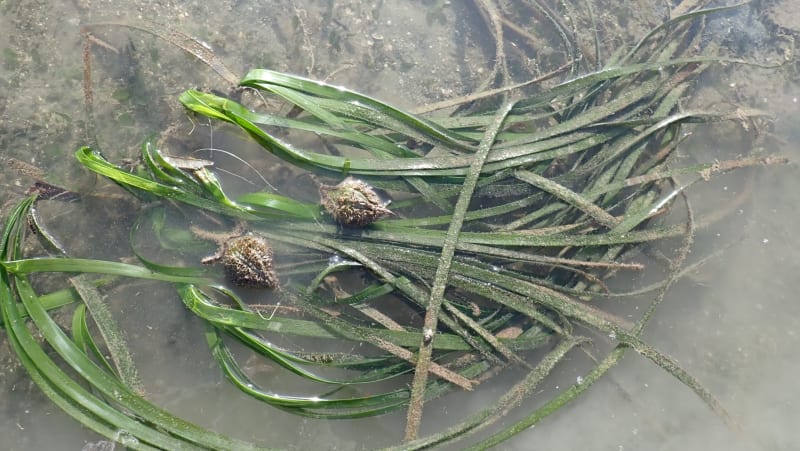
They noticed that tall Enhalus acoroides seagrass formed protective edges around meadows, while smaller Halophila species flourished underneath. So they planted the larger species first, then introduced the smaller ones to grow in their shelter.
The strategy worked better than they hoped. As the transplanted seagrasses took root and spread, nature filled in the gaps with additional species on its own.
The research team discovered four seagrass species that had never been recorded in that area before. Their colleagues counted over 100 types of invertebrates now calling the restored meadow home.
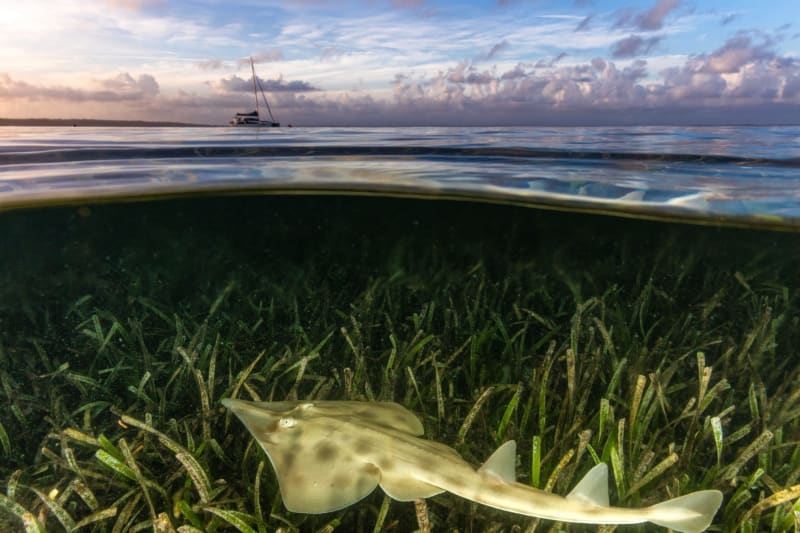
Seagrass meadows do remarkable work beneath the waves. They filter pollution, store carbon, prevent coastal erosion, and provide nursery grounds where young fish grow strong enough to survive in open ocean.
Despite their importance, these underwater gardens remain overlooked in conservation policy. Malaysia doesn't even have official estimates of how much seagrass it has or how quickly it's disappearing, though one study found just 6.3 square miles remained in 2018.
The Ripple Effect
This restoration success proves something bigger than one recovered meadow. It shows that even seagrass beds destroyed by heavy coastal development can bounce back when paired with science-based restoration and long-term monitoring.
The team's approach of studying local species biology, adapting methods to environmental conditions, and addressing what caused the damage in the first place offers a blueprint for tropical restoration efforts across Southeast Asia. Previous attempts using different techniques have produced mixed results, partly because scientists are still learning what works best in tropical waters.
As climate change makes protecting carbon-storing ocean ecosystems more urgent, the Merambong Shoal project demonstrates that we don't just have to prevent damage. We can also heal what's been broken.
The researchers hope their decade of insights will inspire seagrass protection and restoration programs throughout the Indo-Pacific region, where coastal development continues threatening these critical ecosystems.
More Images

Based on reporting by Mongabay
This story was written by BrightWire based on verified news reports.
Spread the positivity!
Share this good news with someone who needs it