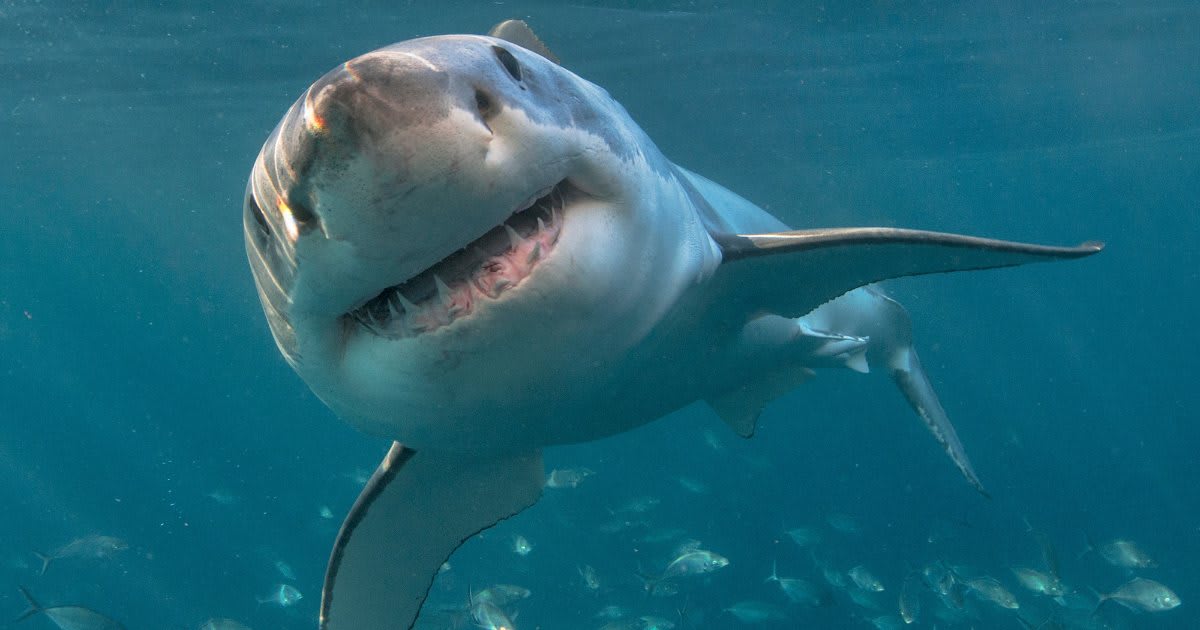
White Sharks Return to Maine After 50 Years of Protection
More white sharks are appearing off Maine's coast this summer, and scientists say it's proof that conservation works. The predators are following gray seals, whose populations have recovered since federal protections began in 1972.
The sight of white sharks near Maine beaches might send some swimmers running, but marine scientists are celebrating what they call a major conservation win.
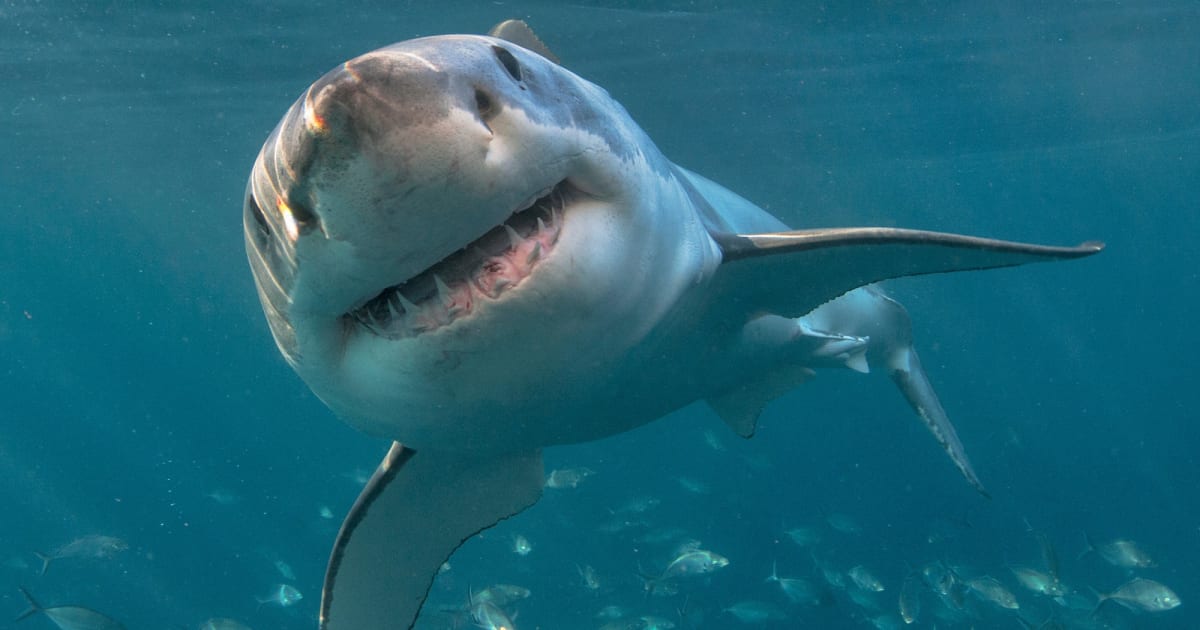
White shark numbers are rebounding along the Maine coast after decades of federal protections banned overfishing and protected their main food source: gray seals. The Marine Mammal Protection Act of 1972 helped seal populations recover, and shark fishing regulations in the early 1990s gave white sharks the breathing room they needed to bounce back.
"What we're seeing here is this reemergence of an apex predator within our part of the world that was previously harvested to a really high degree," said Matt Davis, a marine scientist with the Maine Department of Marine Resources. Researchers have now tagged more than 100 white sharks from Cape Cod to Maine over the past decade.
Davis says this summer's spike in shark sightings reflects better technology and great beach weather, not necessarily more sharks. Drones make spotting sharks in the dark Atlantic much easier than ever before, and more people at the beach means more eyes on the water.
The Ripple Effect
The return of white sharks shows how protecting one species can rebuild an entire ecosystem. When gray seals recovered under federal law, they created a food source that brought white sharks back to their historic habitat. Now, warming ocean temperatures are bringing even more shark species north, including tiger sharks, blacktips, and spinners that are showing up in southern New England.
Scientists are watching to see if these newcomers will compete with white sharks for food or carve out their own niches. "As the ocean changes and different baitfish and other species sort of expand their range, we could be seeing a variety of different species here within a single human lifetime," Davis said.
The odds of actually encountering a shark remain incredibly low. Davis points out that swimmers are far more likely to get caught in a riptide than meet a shark, even with growing populations. Maine recorded its first fatal shark bite in 2020 off Harpswell's coast, prompting closer tracking efforts.
Beach managers now have the latest information on local shark activity, and Davis encourages anyone with concerns to ask questions and learn more about these misunderstood animals.
The sharks are back because the protections worked, proving that patience and science can restore balance to our oceans.
More Images



Based on reporting by Google News - Conservation Success
This story was written by BrightWire based on verified news reports.
Spread the positivity!
Share this good news with someone who needs it