Hawaii Calls Volunteers to Restore Kailua Marsh Habitat
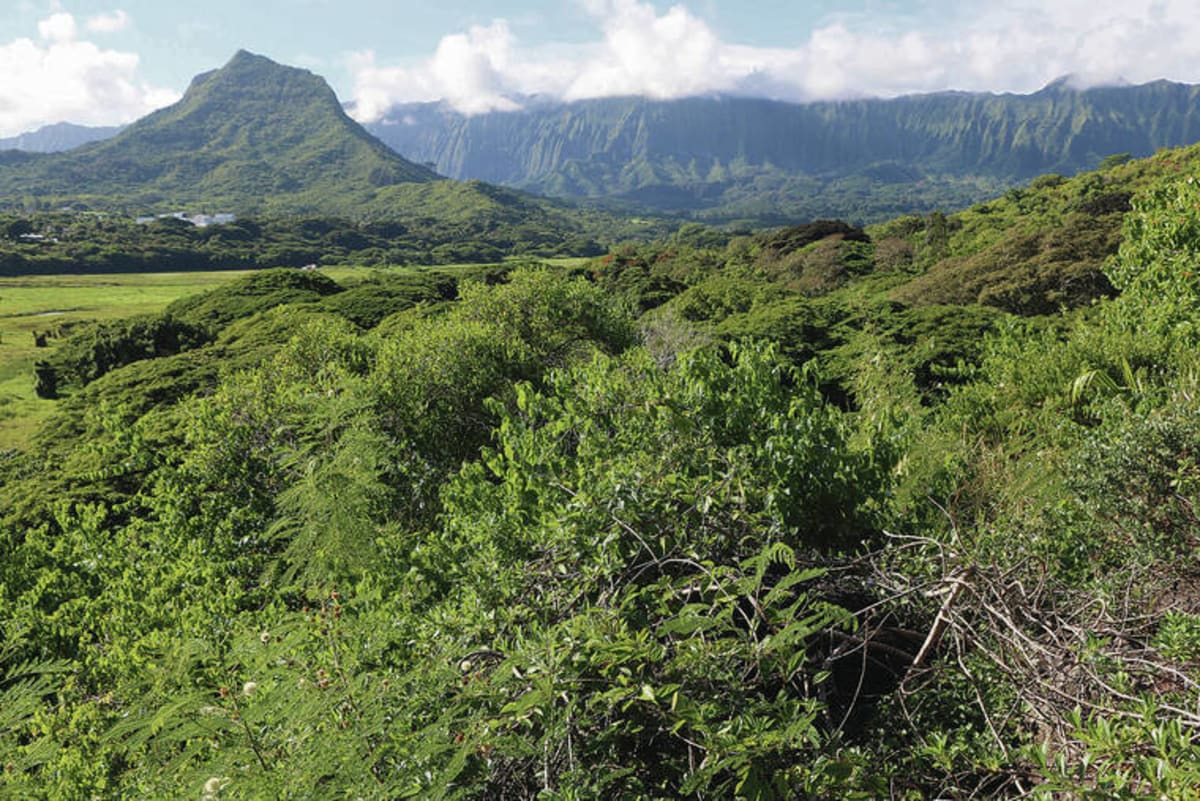
Red mangroves introduced over a century ago have choked Hawaii's Kawainui Marsh, but a new community-led effort is bringing the wetlands back to life. Starting this September, volunteers will help remove invasive plants and restore critical habitat for endangered native waterbirds.
Hawaii's Kawainui Marsh in Kailua is getting a second chance, and local volunteers are making it happen.
The Hawaii Department of Land and Natural Resources launched a large-scale restoration project to remove invasive red mangroves that have clogged nearly two miles of streams and wetlands. These mangroves, introduced more than a century ago, have degraded the habitat that endangered Hawaiian waterbirds depend on for nesting and feeding.
The problem goes beyond wildlife. The invasive plants block natural water flow, reduce water quality, and increase flood risk for nearby communities.
Now a powerful partnership is turning the tide. The state's Division of Forestry and Wildlife joined forces with Kailua-based nonprofit Hui o Koolaupoko to coordinate the multi-year effort, funded by the National Fish and Wildlife Foundation and NOAA.
"We're honored to partner with the Division of Forestry and Wildlife to bring the wetland and bird habitat restoration techniques we've developed at Heeia State Park back to our hometown," said Kristen Nalani Kane, executive director of Hui o Koolaupoko. She emphasized that community participation will be essential to the project's long-term success.
The restoration plan focuses on removing mangrove seedlings and seed pods by hand, then replacing them with native wetland plants. This approach prevents reinvasion while strengthening habitat for wildlife.
Monthly volunteer workdays begin September 26 and welcome anyone 18 or older. Initial efforts will focus on Kawainui Stream between Kawainui Neighborhood Park's Kaha Garden and the Hamakua Street Bridge.
The Ripple Effect
This project represents the first phase of achieving functional eradication of mangrove from Kailua's waterways. Success here could create a blueprint for similar restoration efforts across Hawaii's threatened wetlands.
Wetland biologist Lailan Uy, working with the University of Hawaii's Pacific Cooperative Studies Unit, sees the bigger picture. "This project reflects what's possible when agencies and community work together to create better habitat for Hawaii's native waterbirds and a more resilient ecosystem for future generations."
The restoration will improve conditions for endangered species while making the ecosystem stronger against future environmental challenges. When native plants return, they create a natural defense system that helps the marsh regulate water flow and filter pollutants more effectively than invasive species ever could.
Schools, community groups, and both public and private landowners are already signing up to participate, showing how environmental restoration can unite diverse stakeholders around a common goal.
One marsh, countless hands, and a wetland coming back to life.
Based on reporting by Google: volunteers help
This story was written by BrightWire based on verified news reports.
Spread the positivity!
Share this good news with someone who needs it