Rare Species Return to UK Nature Reserves After Decades
Wildlife volunteers in Hertfordshire discovered species that haven't been seen in the area for up to 25 years, including a glowing surprise. The comeback shows how conservation efforts and careful monitoring are helping nature bounce back.
A glow-worm lit up a nature reserve near Hitchin for the first time in 25 years, signaling an exciting wildlife comeback across England's nature reserves.
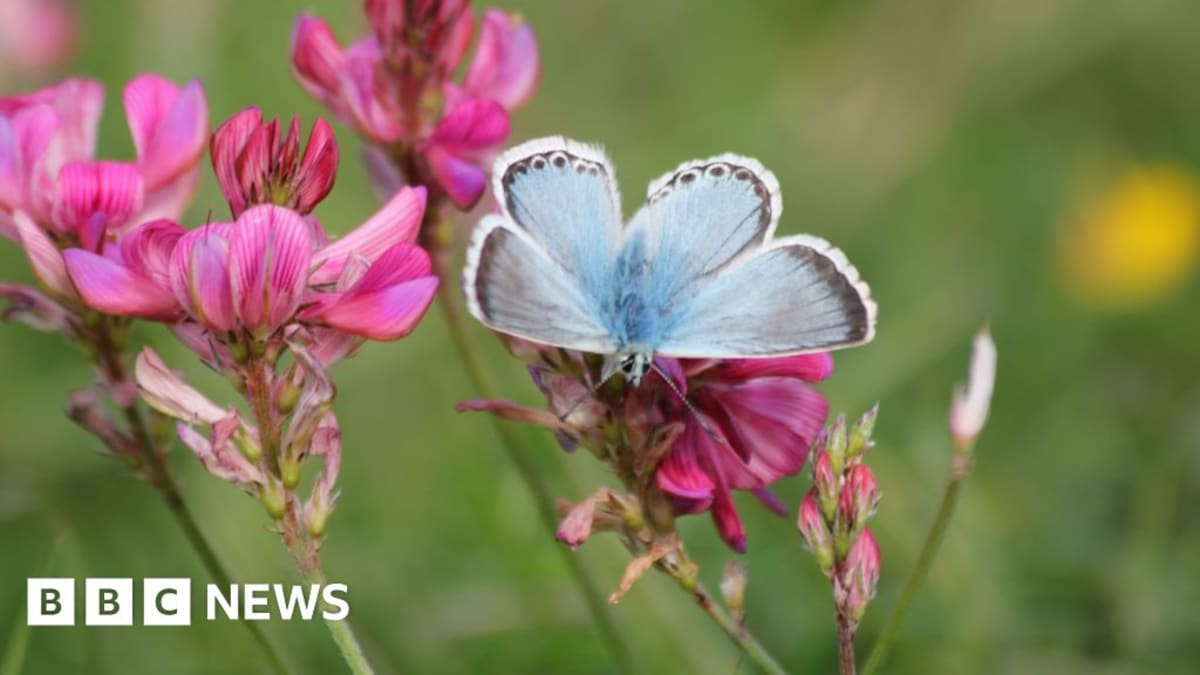
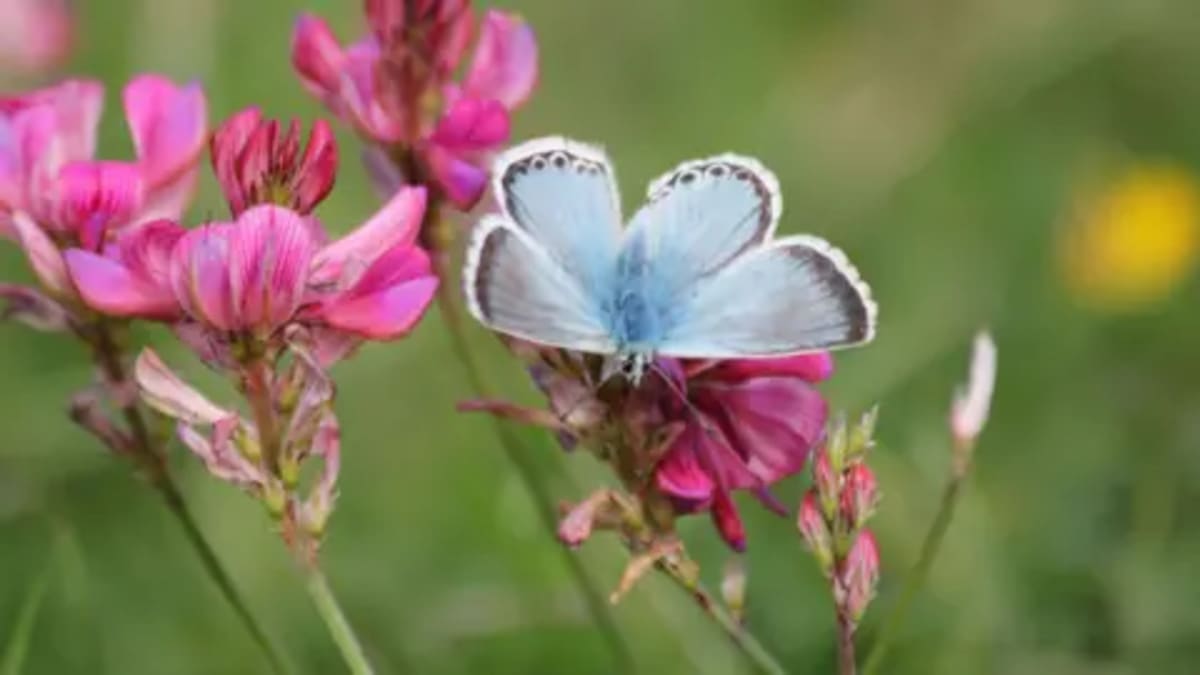
Volunteers with the Herts and Middlesex Wildlife Trust have recorded dozens of rare species returning to protected areas this summer. The finds include more than 300 Chalkhill blue butterflies at Hexton Chalk Pit and a great white egret spotted near Ware for the first time in recent memory.
The trust manages over 40 nature reserves covering nearly 2,000 acres in Hertfordshire and Middlesex. Their dedicated monitoring efforts are finally paying off with discoveries that seemed impossible just years ago.
This summer's warm weather played a supporting role in the comeback story. Grasshoppers thrived in the heat, while butterflies completed their life cycles faster than usual and emerged in impressive numbers.
The Herts Invertebrate Project, launched in 2015, uncovered even more surprises. At Fir & Pond Woods near Potters Bar, researchers found a planthopper species never before recorded in Hertfordshire. Near Tring, they discovered a leafhopper not seen in the county since 1916.
Other species are expanding their ranges northward. Jersey Tiger moths, once mainly found near the Channel Islands, now appear regularly in Hertfordshire. Hummingbird Hawk-moths have become frequent visitors too.
The Ripple Effect
These returning species tell a bigger story about ecosystem recovery. Each discovery helps scientists understand how wildlife responds to environmental changes and where conservation efforts work best.
Senior reserves officer Dan Townsend explained that this knowledge directly shapes how they manage their nature reserves. Better management creates more opportunities for wildlife to thrive, which attracts even more species back to these protected spaces.
The trust's patient, long-term approach shows results. Years of careful habitat restoration and monitoring created the conditions for these rare species to return and establish populations.
Even tiny creatures matter in this comeback story. Researchers found Agyneta mollis, a nationally rare money spider barely visible to the naked eye, proving that conservation success happens at every scale.
These wildlife wins show that dedicated conservation work creates real, measurable results for species that had almost disappeared from the landscape.
More Images

Based on reporting by BBC Science
This story was written by BrightWire based on verified news reports.
Spread the positivity!
Share this good news with someone who needs it