Malaysia Training 5,000 Tech Talents by End of 2027
Malaysia is fast-tracking its tech workforce with a goal to train 5,000 people in advanced chip technology by 2027. The country is partnering with global tech giant Arm Limited to build a skilled semiconductor industry and keep homegrown talent working at home.
Malaysia is betting big on its young people, setting an ambitious target to train 5,000 workers in cutting-edge chip technology over the next year and a half.
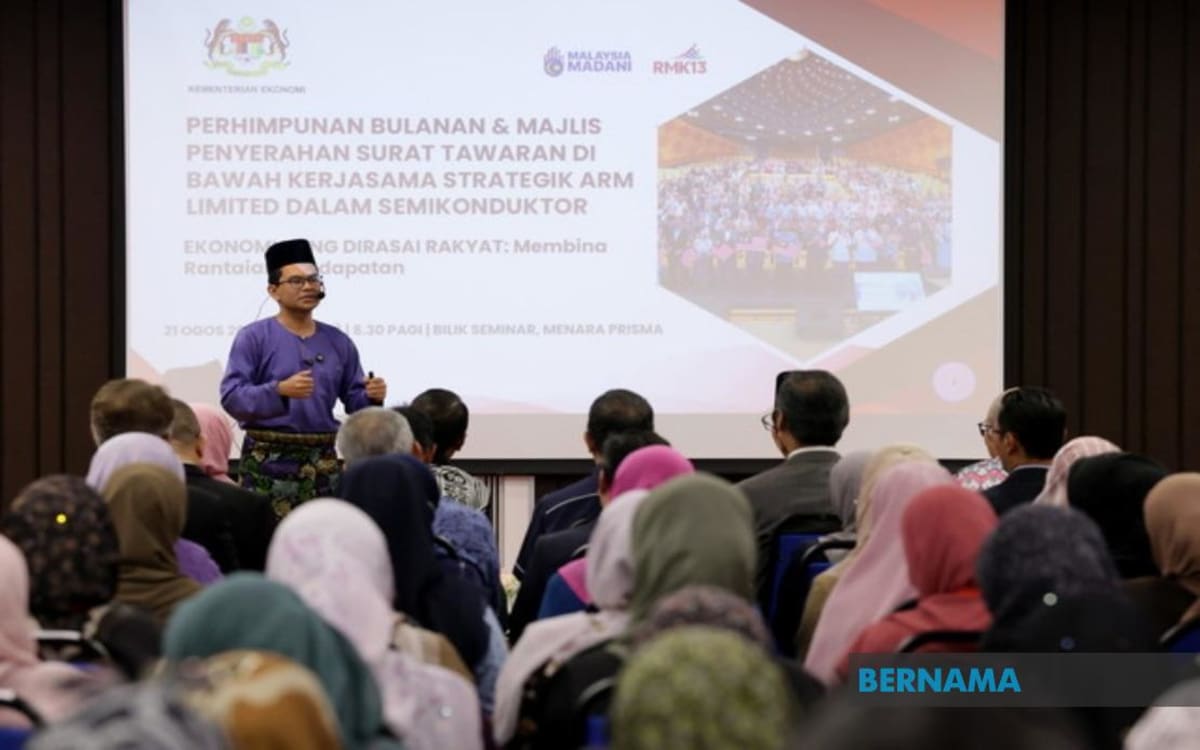
Economy Minister Akmal Nasrullah announced the goal as part of a four-year partnership with Arm Limited, a global leader in semiconductor design. The aim is to train 10,000 Malaysians total by 2029, building a skilled workforce that can compete on the world stage.
So far, 1,530 people have completed the training since the program launched in 2025. To hit the new target, Malaysia needs to train about 2,500 workers each year.
Rather than running isolated online courses, the government is teaming up with universities to weave Arm's training into existing degree programs. Twelve universities confirmed they have the capacity to collectively train 2,500 students annually by integrating the modules into coursework, internships, and final-year projects.
This coordinated approach ensures students gain real-world skills that match what companies actually need. It also prevents training from becoming a checkbox exercise that exists separately from academic programs.
The Ripple Effect
The benefits extend beyond individual workers. Students who complete Arm training will get opportunities to intern with Malaysian companies that have access to Arm technology, directly feeding talent into the country's growing semiconductor industry.
Two local companies, Oppstar Technology and Alphaswift Industries, just received access to Arm's advanced chip design tools. This creates a pipeline where trained students can immediately apply their skills at home instead of being recruited overseas.
"We do not want our young people, after gaining this exposure, to be recruited by other countries or foreign companies, while companies here claim that talent is unavailable," Akmal Nasrullah said. The strategy tackles a common problem where developing countries invest in education only to watch their best workers leave for opportunities abroad.
By aligning university programs with industry needs and creating local job opportunities simultaneously, Malaysia is building an ecosystem where skilled workers want to stay. The country is positioning itself as a semiconductor hub while ensuring its investment in people pays dividends at home.
Malaysia's tech workforce is growing stronger, one trained worker at a time.
Based on reporting by Regional: malaysia technology (MY)
This story was written by BrightWire based on verified news reports.
Spread the positivity!
Share this good news with someone who needs it