Malaysia Ups Biofuel Blend After 45-Year Push by Scientist
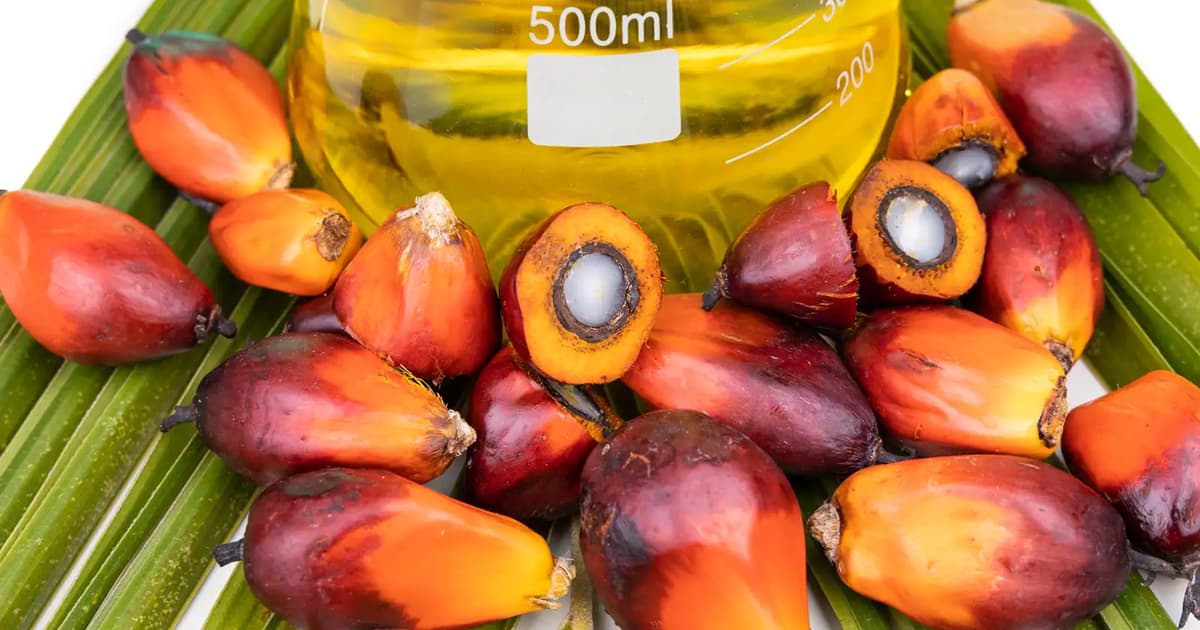
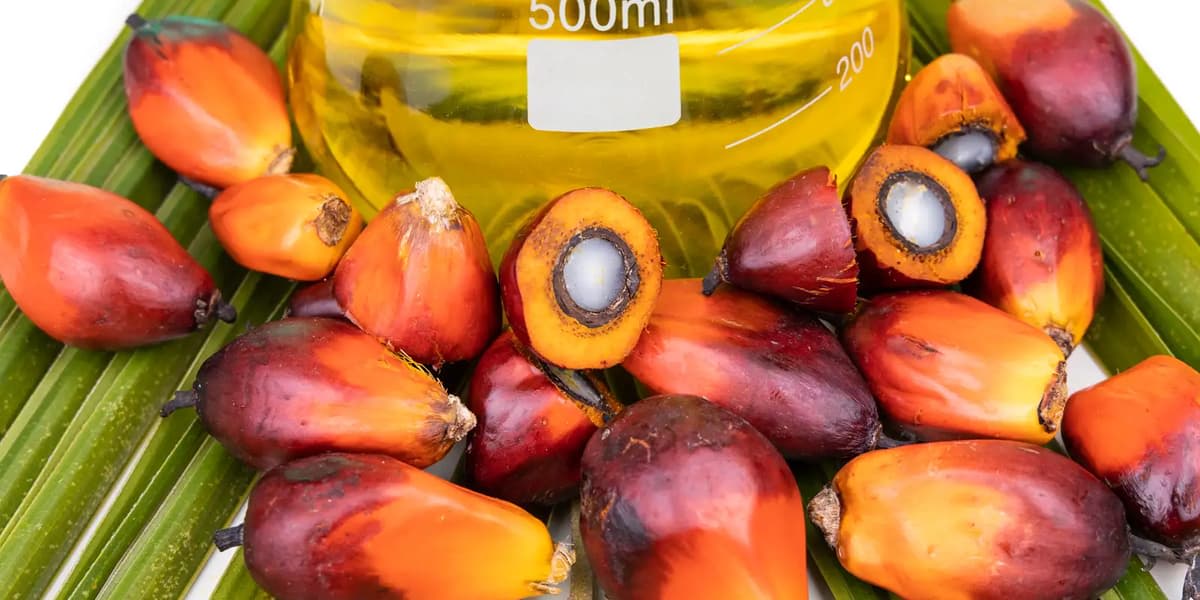
A scientist who discovered how to turn palm oil into biodiesel 45 years ago is finally seeing his country embrace the clean fuel more boldly. Starting June 1, Malaysia will boost its biodiesel blend to 15%, moving closer to energy independence while cutting fossil fuel costs.
After spending nearly half a century championing palm oil biofuel, scientist Augustine Ong is watching Malaysia finally accelerate toward the green energy future he envisioned in 1981.
The Academy of Sciences Malaysia senior fellow has waited 45 years for his country to fully embrace palm biodiesel technology. Now, Malaysia is taking a significant step forward by rolling out B15 biodiesel (15% palm oil, 85% petroleum diesel) across the nation starting June 1, up from the previous 10% blend.
Ong made his breakthrough discovery in 1981, proving palm oil could power vehicles as cleanly and efficiently as traditional diesel. He spent three years conducting field trials with Kuala Lumpur's Toong Fong buses, demonstrating the fuel's real-world viability. Even Mercedes-Benz has endorsed palm biodiesel as safe for their engines.
"Malaysia possesses the technical capability to commercialise 100% palm biodiesel," Ong said at the International Invention, Innovation and Technology Exhibition 2026, which concluded May 20. He believes the country could lead the world in biofuel innovation and even share the technology with other nations struggling with volatile oil prices.
The timing couldn't be better. With global fossil fuel costs rising and crude oil supplies threatened by the Strait of Hormuz crisis, Malaysia's homegrown energy solution offers both environmental and economic benefits.
The country now operates 19 licensed biodiesel plants ready to produce the new B15 blend. These facilities, combined with 34 existing blending depots, will strengthen Malaysia's energy resilience while reducing dependence on imported fossil fuels.
Why This Inspires
Ong's persistence tells a powerful story about patient advocacy for scientific progress. As a lipid chemist, he authored hundreds of papers and secured 15 patents while fighting anti-palm oil narratives in the 1980s. His research helped prove palm oil's health benefits and nutritional value when critics questioned its safety.
Beyond fuel, Ong sees even bigger possibilities. Palm oil can create oleochemicals used in cosmetics, pharmaceuticals, cleaning products, and biodegradable plastics. The oil palm industry generates massive amounts of biomass waste that can become animal feed, organic fertilizers, and additional bioenergy.
Converting this waste into valuable products could unlock "trillions" in revenue for Malaysia while creating a circular economy, Ong explained. As a sustainable fuel meeting environmental standards, palm biodiesel could also attract green investments and boost Malaysia's global competitiveness.
The B15 rollout represents more than an energy policy shift. It validates decades of scientific work and positions Malaysia as a renewable energy innovator at precisely the moment the world needs alternatives to fossil fuels most.
More Images

Based on reporting by Regional: malaysia technology (MY)
This story was written by BrightWire based on verified news reports.
Spread the positivity!
Share this good news with someone who needs it