Malaysia Uses Drones and AI to Transform Rice Farming
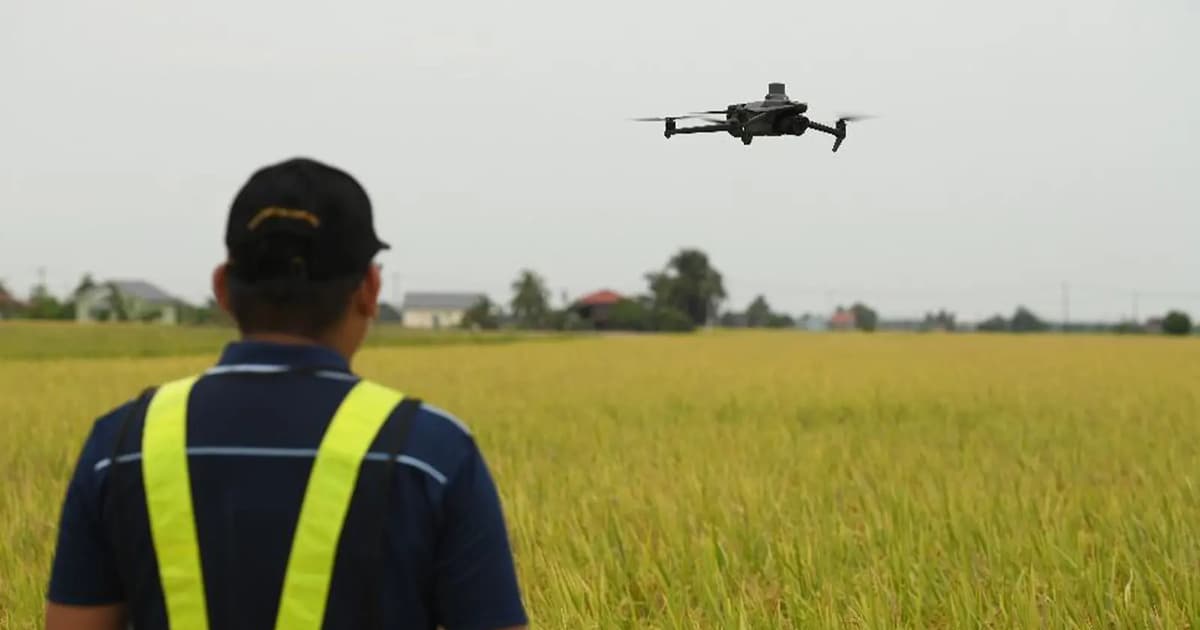
Rice farmers in Malaysia are getting help from an unlikely source: drones, satellites, and artificial intelligence that spot crop problems before the human eye can see them. The technology is already helping farmers save money, grow more food, and strengthen the country's rice supply.
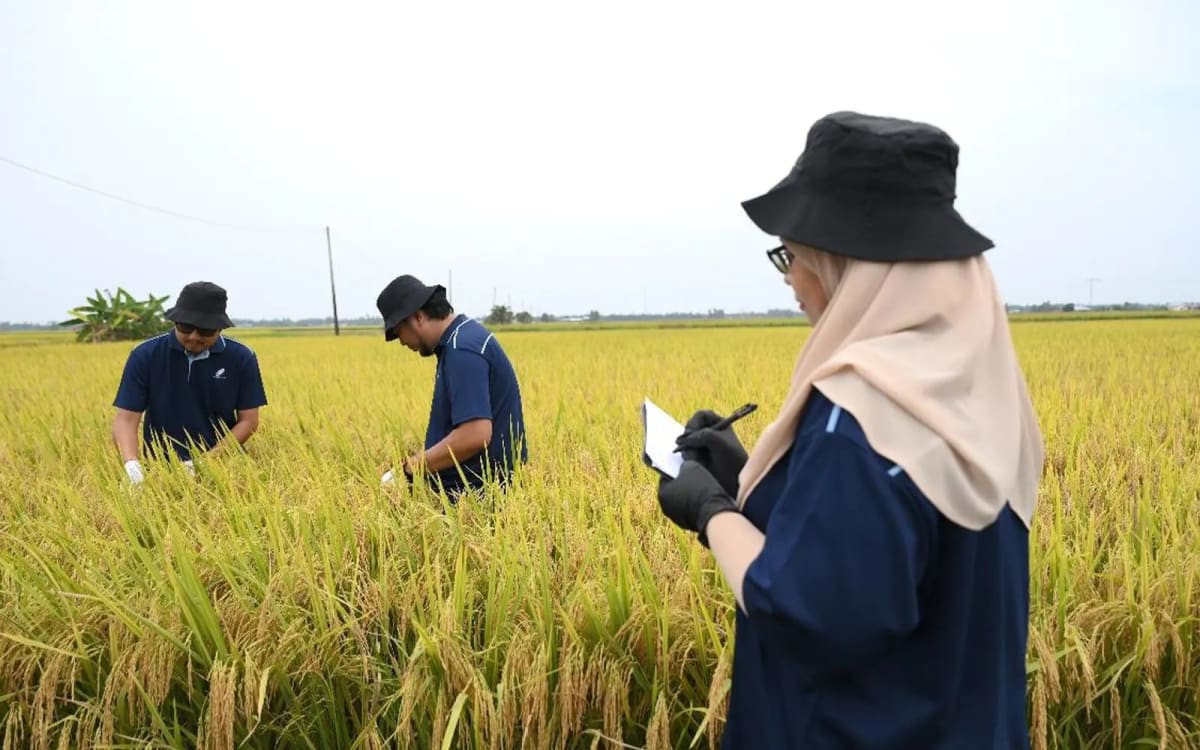
Malaysian rice farmers can now catch crop diseases and nutrient problems weeks before they become visible, thanks to drones flying overhead and sensors buried in their fields.
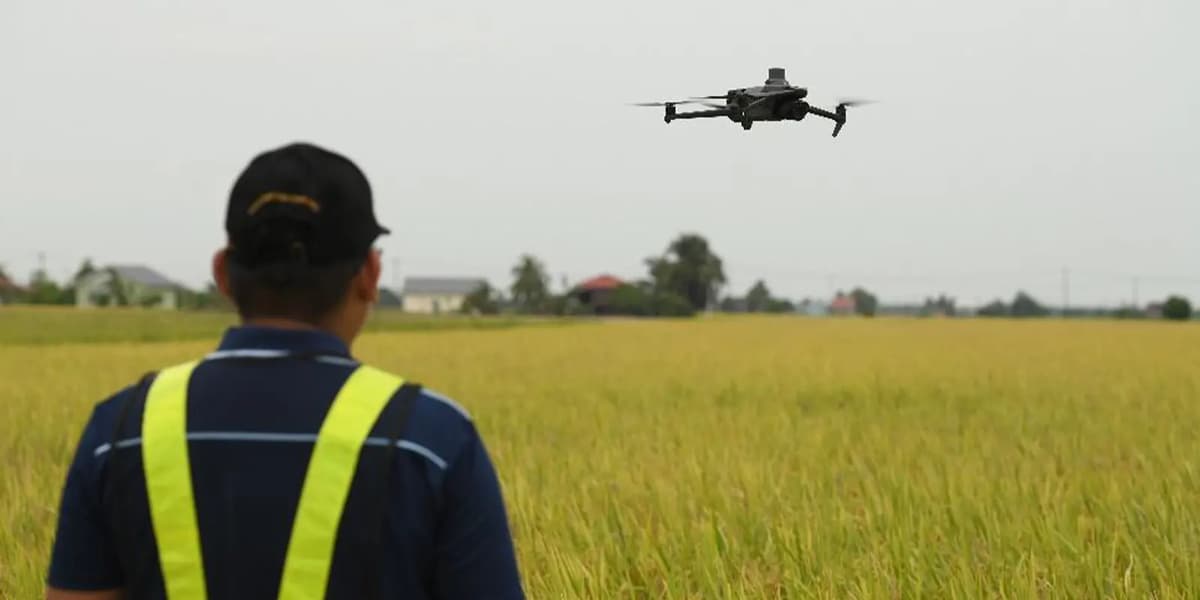
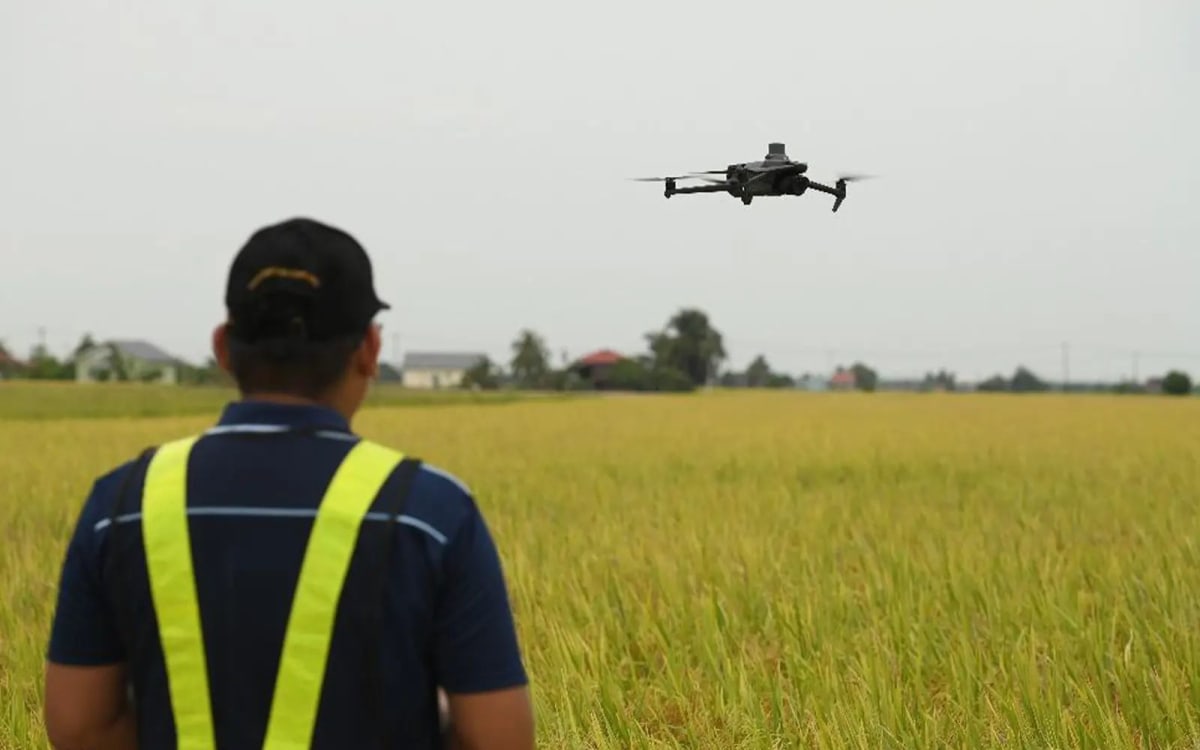
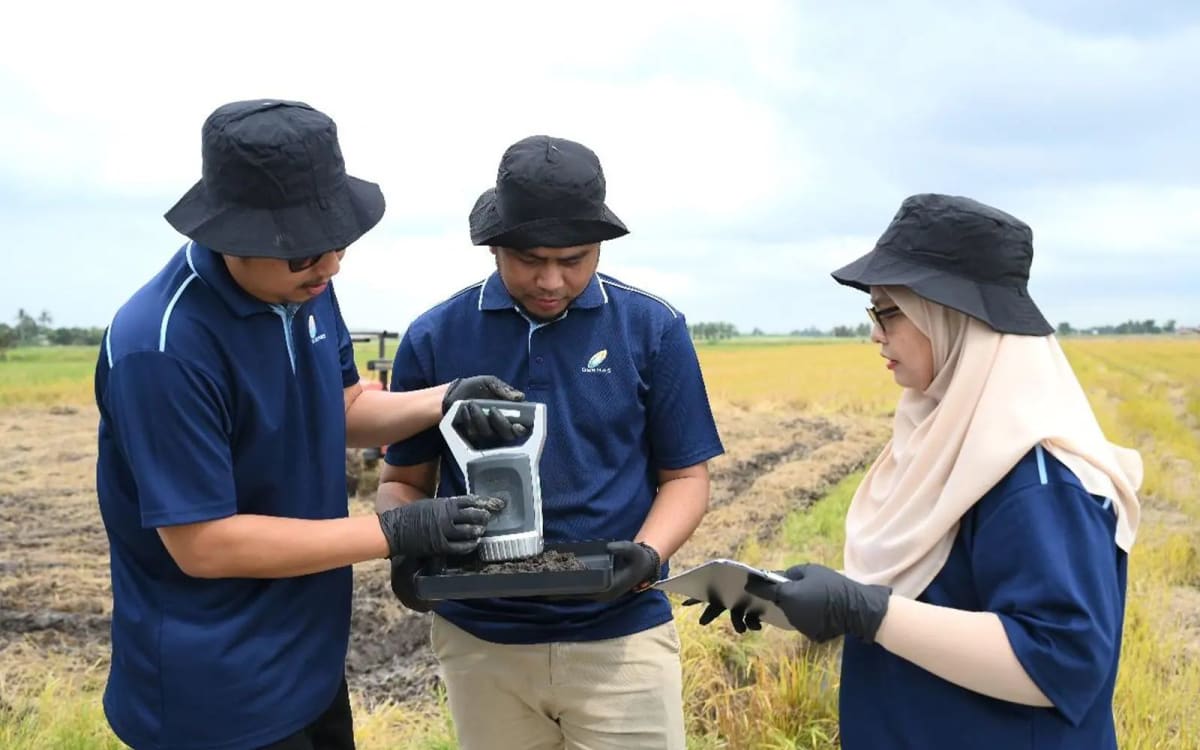
Bernas, Malaysia's national rice agency, is expanding its SMART farming program across the country's paddies. The technology uses multispectral imaging from drones and satellites to scan fields, while smart soil sensors monitor fertility and moisture levels in real time.
The timing couldn't be better. Nearly 90% of farmers in Kedah, Malaysia's largest rice-producing state, delayed planting earlier this year due to rising costs and water shortages. Agriculture Minister Mohamad Sabu warned that prolonged delays could threaten the nation's rice self-sufficiency.
The new system works by detecting problems invisible to farmers. Drones capture images that reveal early signs of stress from nutrient deficiencies, water issues, or potential disease. Soil sensors provide constant updates on fertility conditions, letting farmers apply fertilizer based on actual needs rather than guesswork or schedules.
For farmers, this means catching problems when they're still fixable. It also means spending less on fertilizer by applying it only where and when it's needed. Every percentage point of yield matters for their income and for feeding the nation.
Nur Firdaus Yusof, head agronomist at Bernas Farm Management, says the technology represents a fundamental shift. Decisions once driven mainly by observation and experience now get backed up by continuous data streams and evidence-based insights.
The Ripple Effect spreads beyond individual farms. As climate patterns shift and input costs rise, Malaysia's entire rice sector faces pressure. Building resilience through technology helps the whole country maintain a stable domestic food supply during uncertain times.
More than half of Mada area farmers have now begun planting for the current season. The combination of traditional farming knowledge with cutting-edge technology is helping them work smarter, not just harder.
Bernas is also developing partnerships around artificial intelligence and digital solutions that give farmers more timely and accurate recommendations. The goal isn't just producing more rice but producing it more efficiently and sustainably.
What started as a pilot program is becoming the new standard for how Malaysia grows its most important staple crop, one data point at a time.
More Images
Based on reporting by Regional: malaysia technology (MY)
This story was written by BrightWire based on verified news reports.
Spread the positivity!
Share this good news with someone who needs it