Man Dodges Alzheimer's After Decades in Hot Engine Rooms
Doug Whitney was genetically destined to develop Alzheimer's in his 40s, but at 70-something, his memory remains sharp. Scientists believe his decades working in sweltering Navy ship engine rooms may have protected his brain.
A man who should have lost his memory years ago is helping scientists unlock a surprising weapon against Alzheimer's disease: heat.
Doug Whitney inherited a genetic mutation that has devastated his family for generations. Ten of his mother's 13 siblings died before age 60, all from early-onset Alzheimer's disease that struck in their late 40s or early 50s.
Whitney got the same mutation. But now in his late 70s, he remains the only known carrier to escape the disease decades past when it should have appeared.
The difference? For 20 years starting at age 18, Whitney worked as a mechanic in Navy ship engine rooms where temperatures soared to 122°F. He spent hours at a time in conditions so extreme that crew members sometimes hosed him down to prevent overheating.
Scientists at Washington University in St. Louis have been studying Whitney for years, baffled by his resilience. The breakthrough came when researcher Geoffrey Canet from the French National Centre for Scientific Research heard about the case at a conference.
Canet had been studying how heat therapy protects mouse brains from Alzheimer's. Finnish research showed frequent sauna users are 65% less likely to develop the disease than occasional users, and Canet wanted to understand why.
When he learned about Whitney's hot working conditions, the pieces clicked. Tests revealed Whitney has unusually high levels of heat shock proteins in his cerebrospinal fluid, molecules our bodies produce to repair heat-damaged proteins.
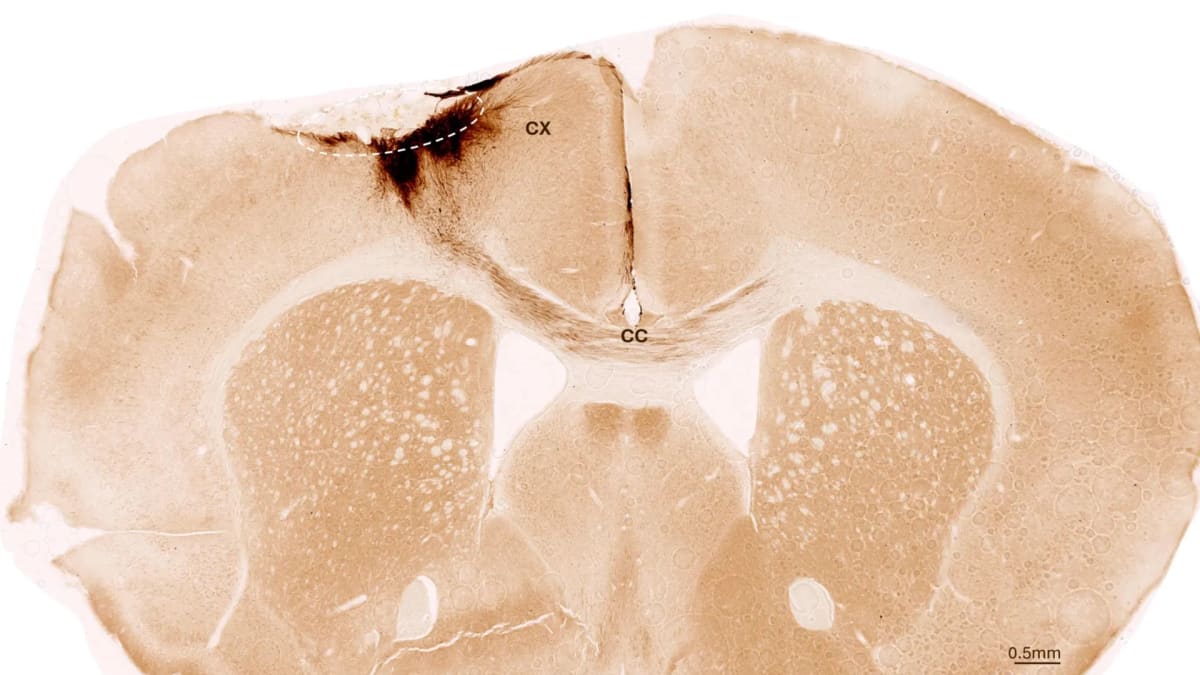
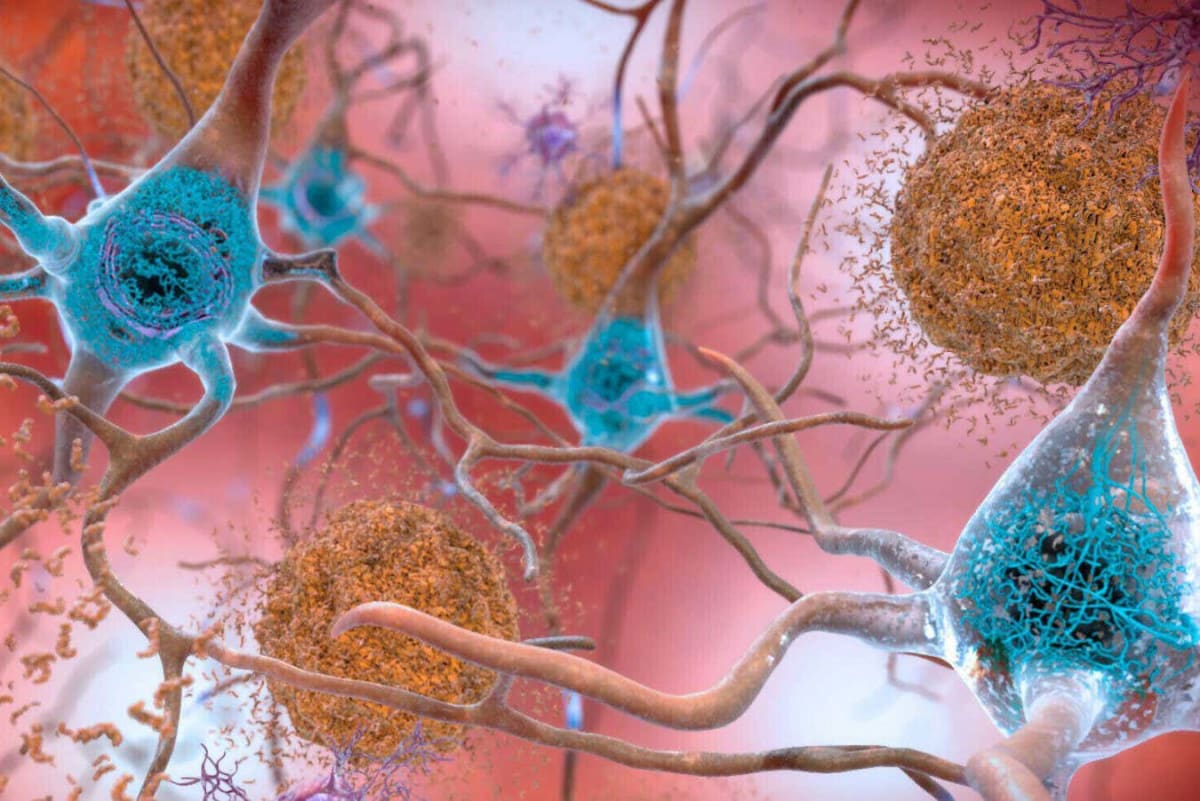
These proteins appear to have kept Whitney's brain tau proteins properly folded and functioning. Tau becomes tangled and clumped in Alzheimer's patients, directly correlating with memory loss and cognitive decline. Brain scans show Whitney has almost none of this harmful tau buildup.
His brain does contain misfolded amyloid protein, another Alzheimer's marker, but amyloid appears less predictive of actual symptoms. Whitney's tau protection seems to be making all the difference.
The Bright Side
The research team confirmed their theory with mouse experiments. Putting mice in miniature saunas kept their tau proteins healthy and increased elimination of harmful proteins from their brains.
Even our daily temperature fluctuations matter. The same scientists found that tau clearance from the brain increases when people are awake versus asleep, possibly because body temperature naturally runs higher during waking hours.
Cold might have the opposite effect. Bears show disease-like tau tangles during winter hibernation, but these return to normal when they warm up in spring. General anesthesia, which lowers body temperature, causes short-term cognitive problems similar to early Alzheimer's.
Interestingly, some of the world's lowest Alzheimer's rates occur in hot regions like rural India and the Bolivian Amazon. Temperature may not explain everything, but researchers believe it plays a meaningful role.
Whitney also carries some protective genes that differ from his affected relatives, so heat exposure likely isn't the only factor. But the evidence is strong enough that Australian researcher Rebecca Nisbet has started using saunas herself based on these findings.
A simple heat therapy that costs nothing and hurts no one might help protect millions of brains from one of medicine's most devastating diseases.
More Images



Based on reporting by New Scientist
This story was written by BrightWire based on verified news reports.
Spread the positivity!
Share this good news with someone who needs it