Manila Forest Shelters 294 Species Despite Urban Sprawl
A mountain forest near one of Asia's most crowded cities is proving nature's resilience, harboring nearly 300 plant species including 31 threatened ones. Scientists say this rare refuge shows what's possible when wild spaces get protection.
Just miles from Manila's urban sprawl, a mountainous forest is quietly sheltering some of the Philippines' rarest plants.
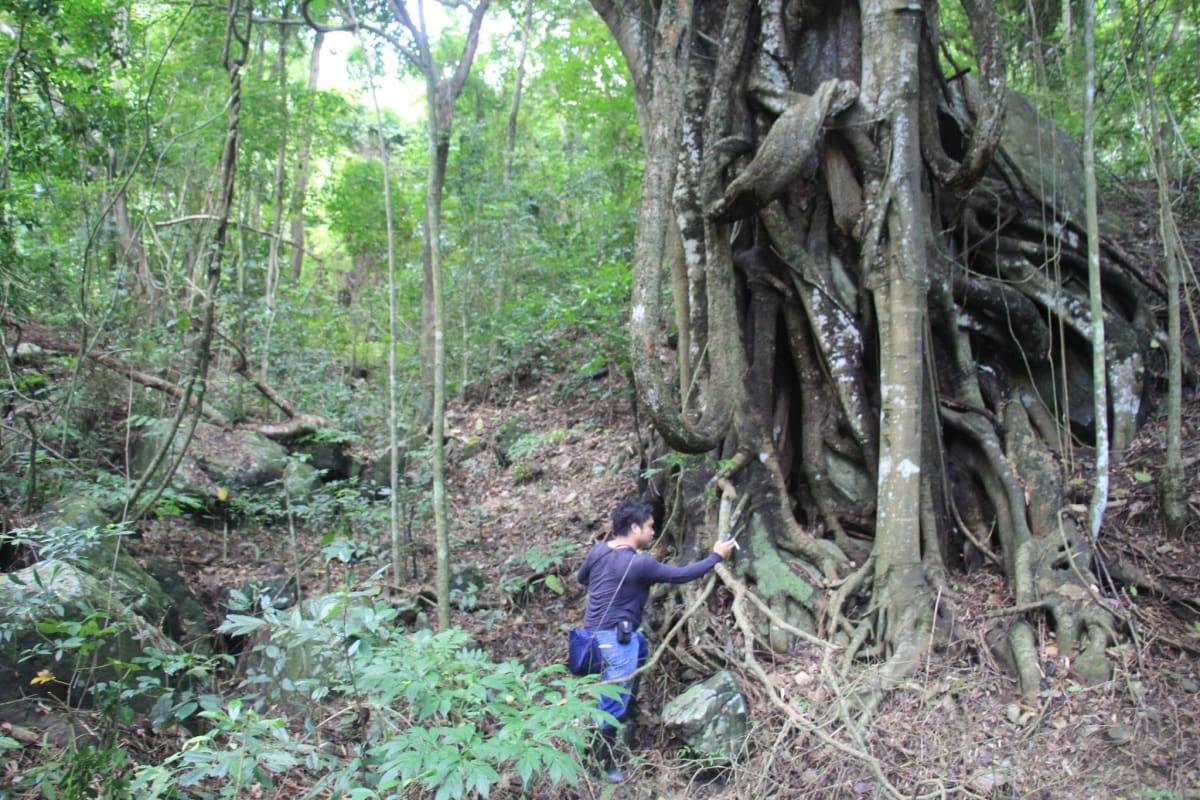
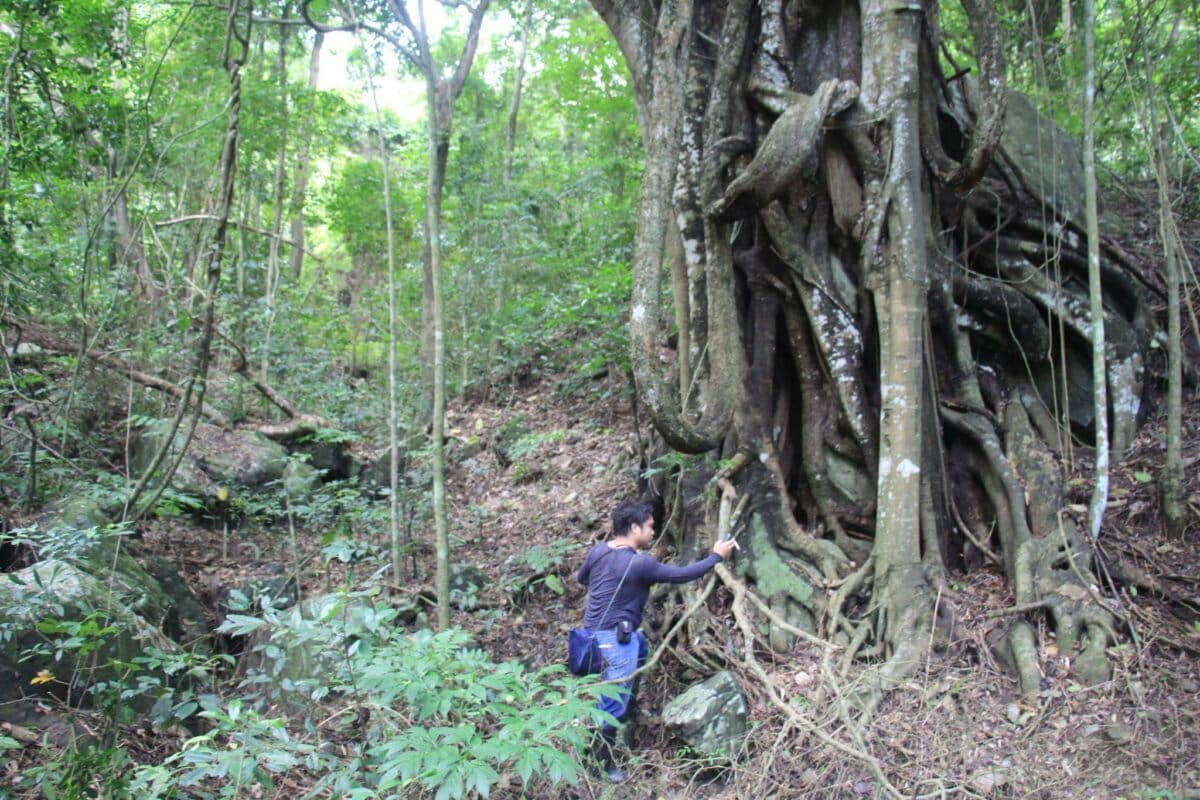
Scientists surveyed the Mounts Palay-palay-Mataas-na-Gulod Protected Landscape in 2016 and discovered 294 plant species thriving across its grasslands, secondary forests, and ancient tree stands. Among them, 42 species exist nowhere else on Earth outside the Philippines, and 31 are officially threatened with extinction.
"The most remarkable finding is that this landscape harbors an incredibly high concentration of biodiversity despite being so close to highly urbanized zones," says study lead author Enrico Replan, an assistant professor at the University of the Philippines Diliman. The forest is the last remaining natural lowland forest in Cavite province, making it irreplaceable for conservation.
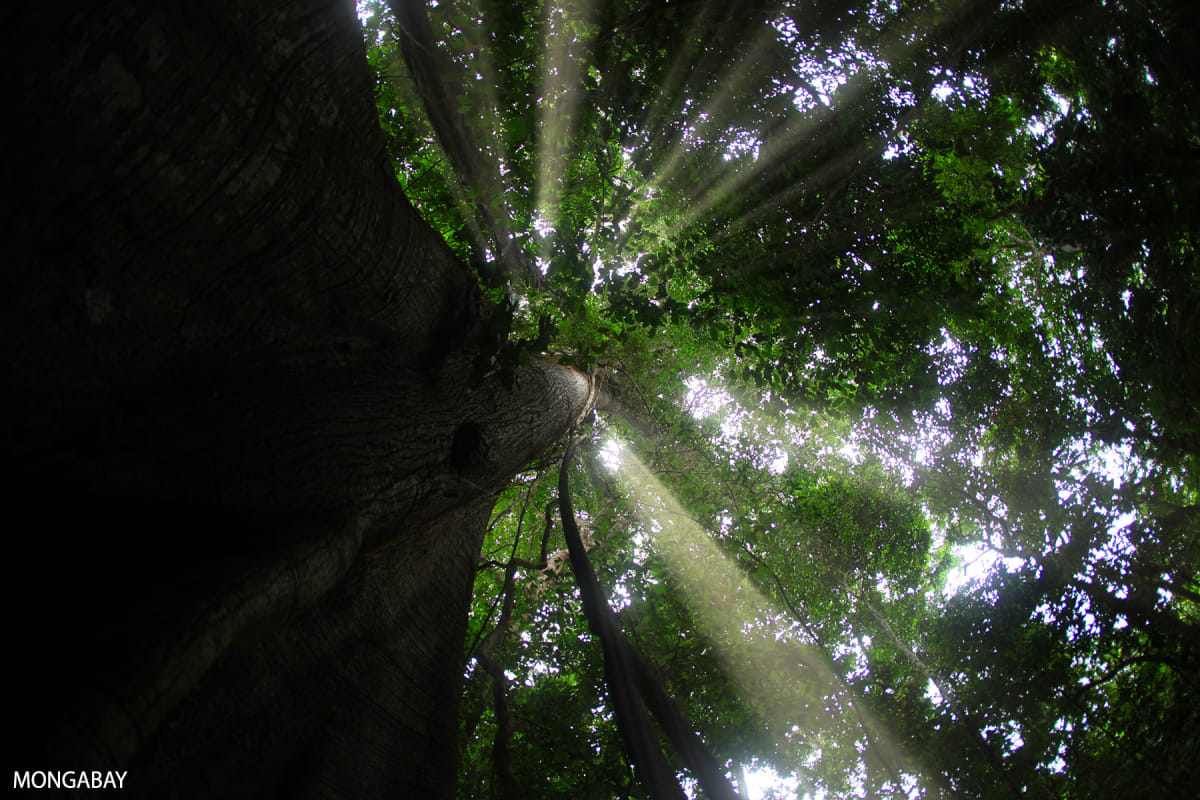
The team also identified 43 species never before recorded in the province, filling major gaps in scientists' understanding of what grows where. At the forest's heart, they found thriving populations of guijo trees, a critically endangered species that rarely gets a second chance in degraded landscapes.
The findings offer a snapshot of hope, but they come with urgency. The data is nearly a decade old, and satellite images show the protected area has already lost nearly 14% of its forest cover to urbanization between 2015 and 2021. Development has even breached zones meant to have strict protection.
The Bright Side
This forest's survival proves that nature can hold on even in the shadow of megacities. The presence of so many rare and threatened species this close to Manila shows that protected landscapes work when given a fighting chance.
Replan's team is calling for permanent monitoring plots to track how the ecosystem responds to climate change and development pressure over time. Instead of relying on occasional snapshots, continuous observation could catch problems early and guide smarter conservation decisions.
The guijo trees offer particular reason for optimism. These climate-sensitive giants showed "promising resurgence" in the survey, suggesting the forest's interior remains healthy enough to support species that need stable conditions. That resilience could be a foundation for recovery if protection efforts strengthen.
Researchers say stricter local policies and aggressive conservation programs need to happen now, before urban expansion permanently fragments what remains.
For a forest surrounded by one of the world's most densely populated regions, simply surviving this long is an achievement worth celebrating and protecting.
More Images


Based on reporting by Mongabay
This story was written by BrightWire based on verified news reports.
Spread the positivity!
Share this good news with someone who needs it