Manila Gets High-Tech Plastic Interceptors for Bay Cleanup
Manila will receive advanced AI-powered interceptors in 2026 to catch plastic waste before it reaches the ocean. The Ocean Cleanup is bringing its proven technology to one of Asia's most polluted waterways as part of a 30-city global initiative.
Manila Bay is about to get a powerful new ally in the fight against ocean plastic, and it runs on sunshine and artificial intelligence.
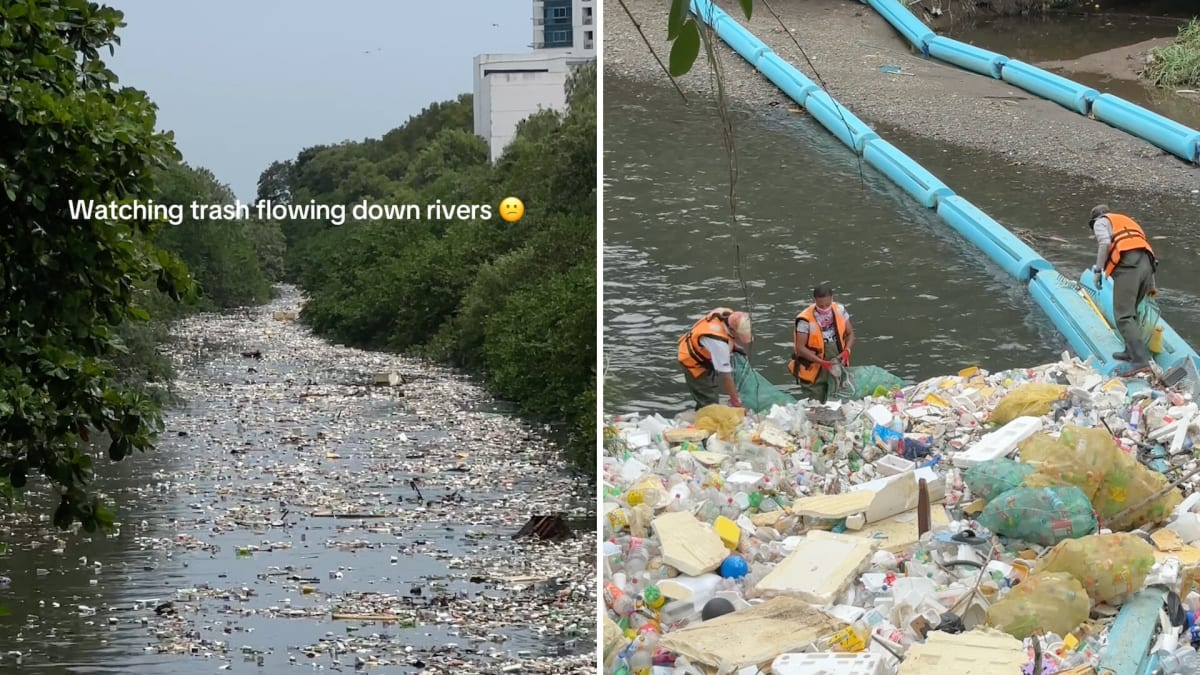
The Ocean Cleanup, a nonprofit pioneering river cleanup technology, will deploy high-tech plastic interceptors in Manila starting in 2026. These solar-powered systems will catch trash flowing through rivers before it reaches Manila Bay, where studies show over 90 percent of the waste is plastic.
The initiative makes Manila one of just 30 cities worldwide selected for the organization's ambitious program targeting plastic pollution at its source. Founder Boyan Slat says the goal is shifting from small, isolated cleanups to city-wide solutions that actually make a dent in marine pollution.
Here's how it works: The Ocean Cleanup uses AI and detailed river mapping to find the best spots for their interceptors. These aren't simple nets. They range from heavy-duty trash traps to fully autonomous systems that operate independently, capturing plastic waste as it flows downstream.
Once collected, the plastic gets hauled to shore for proper disposal and recycling. Local governments, private companies, and organizations will partner on the project to ensure the waste doesn't just get moved somewhere else.
The timing couldn't be better. Research by the EcoWaste Coalition, Korea International Cooperation Agency, and local universities confirms that Manila's waterways are highways for plastic pollution flowing into the bay. Stopping it at the river is far more effective than trying to clean it from the ocean.
The Ripple Effect
The Ocean Cleanup has already proven its technology works at scale. As of December 2025, the organization has pulled over 46 million kilograms of trash from rivers and oceans worldwide. That's roughly the weight of 300 Boeing 747s in plastic waste that never made it to sea.
Manila joins other major cities like Los Angeles, Mumbai, and Panama City in the 2026 rollout. Each city faces unique challenges, which is why the AI mapping matters. The system identifies which type of interceptor works best for each location's specific river conditions and waste patterns.
For Manila Bay's coastal ecosystems, this represents a genuine chance at recovery. The bay has struggled with pollution for decades, affecting marine life, local fishing communities, and public health. Catching plastic before it arrives gives the bay's natural systems room to heal.
The beauty of this approach is its sustainability. Solar power means the interceptors keep working without fuel costs or emissions. The partnership model means local communities gain both cleaner waterways and potential jobs in waste processing and recycling.
Manila's waters are about to get a lot cleaner, one intercepted piece of plastic at a time.
Based on reporting by Google News - Ocean Cleanup
This story was written by BrightWire based on verified news reports.
Spread the positivity!
Share this good news with someone who needs it