Manitoba Researchers Find New Hope for MS Patients
Scientists at the University of Manitoba discovered a protein that could reverse multiple sclerosis damage, offering hope to 90,000 Canadians living with the incurable disease. Animal studies show the treatment can repair brain cells and restore mobility.
A breakthrough discovery in Winnipeg could change life for people living with multiple sclerosis, a disease that affects more Canadians per capita than almost anywhere else in the world.
Researchers at the University of Manitoba found that restoring a brain protein called neuregulin-1 may repair damaged brain tissue, slow disease progression, and reverse losses in movement and thinking. The protein helps keep nerve cells healthy and producing energy.
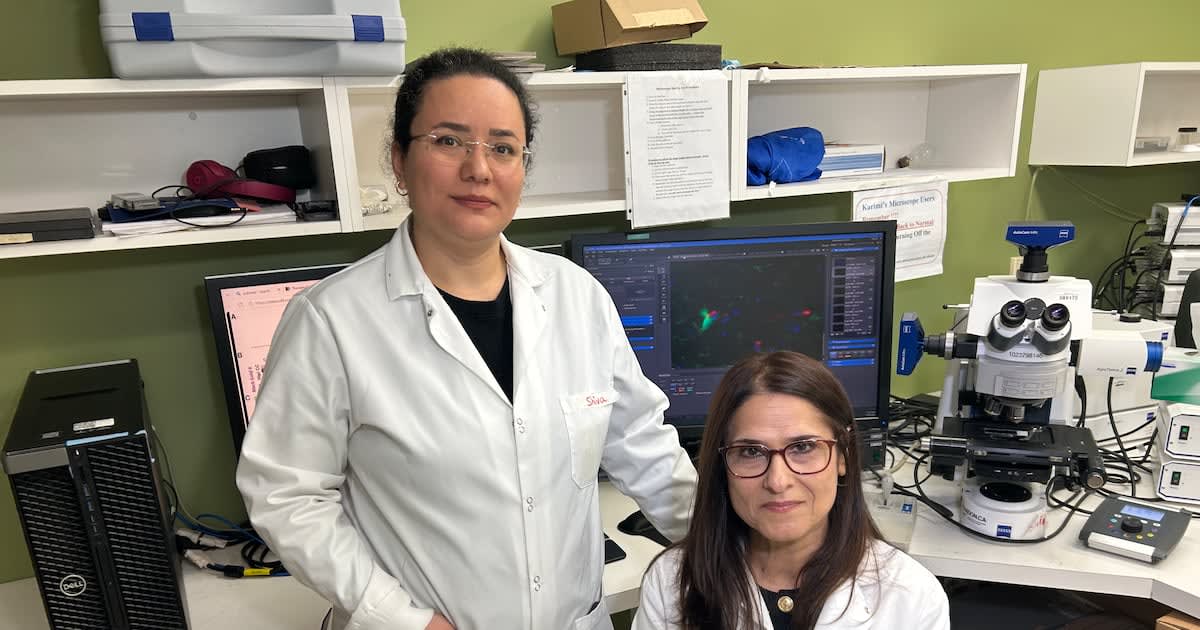
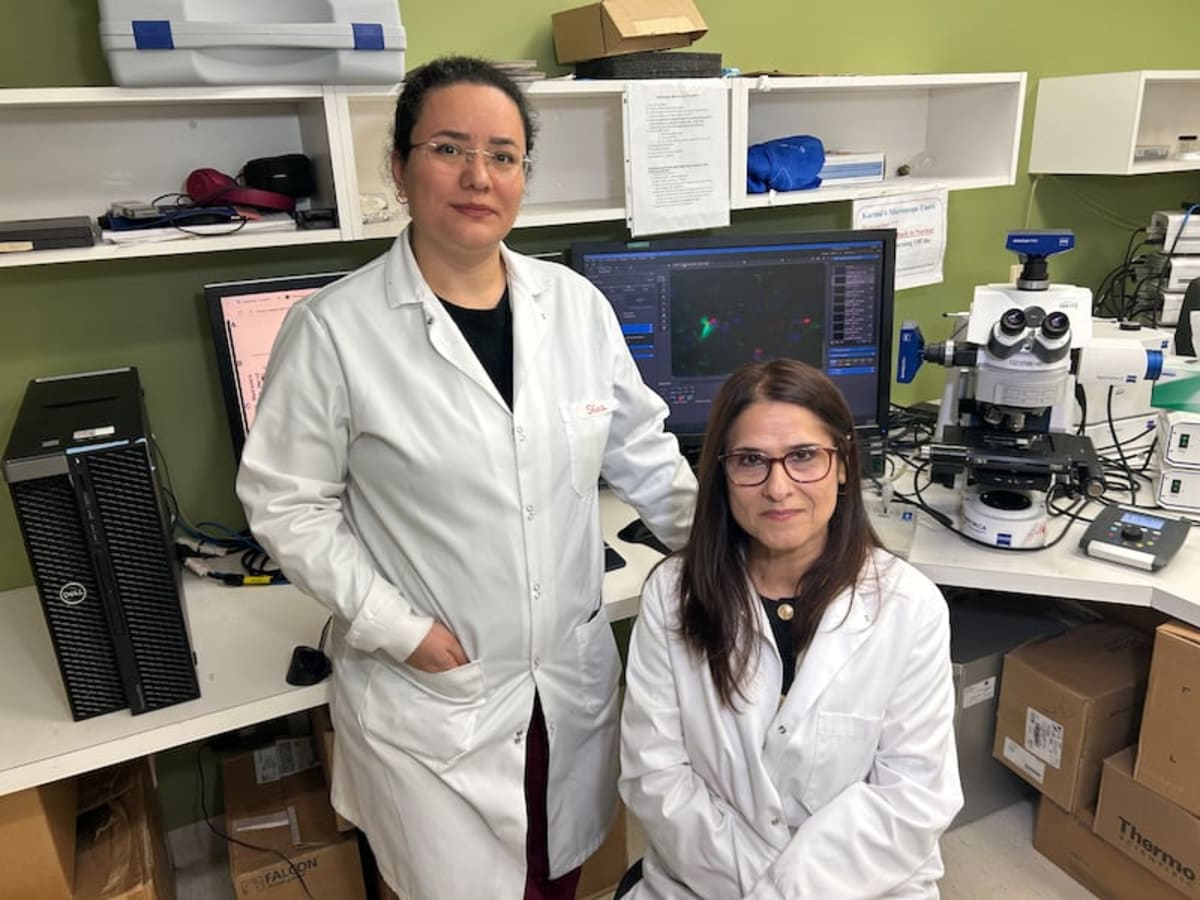
Dr. Soheila Karimi, who leads the research team at the Max Rady College of Medicine, says this discovery is different from existing treatments. Current MS medications can only manage inflammation and immune response, but they can't protect nerve cells or fix damage that's already happened.
In animal studies, restoring neuregulin-1 levels helped brain cells produce more energy and repair damaged myelin, the protective coating around nerve fibers that MS destroys. The treatment also improved both mobility and cognitive function in test subjects.
Canada has one of the highest MS rates globally, with 90,000 people living with the disease. Manitoba records some of the highest rates in the country, with 12 Canadians diagnosed every day on average.
Raisa Baluta knows the challenge firsthand. She woke up on Christmas morning 2016 with numbness in both legs, and a year later, at just 22 years old, learned she had MS.
"When I look at MRIs, I can see very clear visual damage in my brain, kind of like white spots and just holes in my brain and down my spine," Baluta says. She experiences tremors that worsen with fatigue and says the disease affects her daily life.
Why This Inspires
This research offers something the MS community hasn't had before: a potential path to reversing damage, not just managing symptoms. Progressive MS is particularly difficult to treat because existing therapies focus on the immune system rather than protecting and repairing nerve cells.
The Manitoba team's approach targets the root problem by helping brain cells rebuild and function properly. MS Canada is hopeful the animal study results will translate to humans, noting the findings bring us closer to solutions that could reverse disease progression.
The research team is now preparing for human clinical trials. For Baluta and thousands of others living with MS, that represents real hope.
"Things are definitely improving, and it's fairly hopeful now," Baluta says. Dr. Karimi agrees, emphasizing her commitment to making a difference: "We just want to convey hope, and I also want to say that the research is the path to cure MS."
More Images



Based on reporting by Google News - Health Breakthrough
This story was written by BrightWire based on verified news reports.
Spread the positivity!
Share this good news with someone who needs it