Manitoba Targets Child Poverty With New 5-Year Strategy
Manitoba's new poverty reduction plan focuses on helping young children, youth leaving foster care, and seniors—and local organizations say it's already aligned with the progress they're seeing. Community groups now hope for provincial funding to expand programs that are breaking cycles of hardship.
Manitoba just launched a five-year poverty reduction strategy built on input from thousands of residents, including people who've experienced poverty firsthand. The plan prioritizes three groups where early support can change lives: young children, youth aging out of child welfare, and seniors.
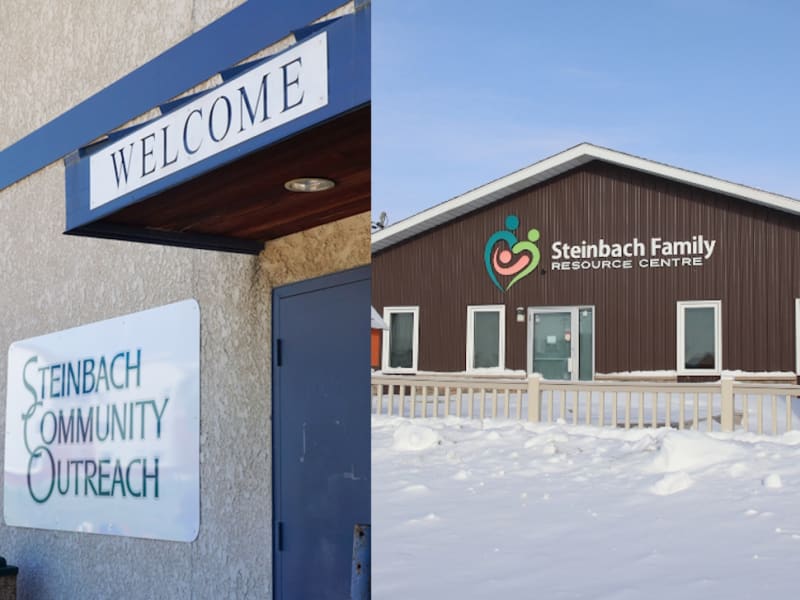
Charlene Kroeker, who manages Steinbach Community Outreach, says the strategy matches exactly what her team sees every day. Her organization runs a drop-in center and The Bridge, a low-rent housing complex serving people working their way toward stability.
"There needs to be a plan to reduce poverty in Manitoba so that it doesn't grow," Kroeker says. "If we could support those who are most vulnerable in our communities, then we create stronger communities."
The numbers back up the approach. Kroeker reviewed the province's annual poverty report and found encouraging trends, with poverty rates actually decreasing. Several provincial programs her organization accessed to help clients are already making a measurable difference.
She's especially glad to see seniors included as a priority. Post-pandemic inflation hit this group hard, pushing more older Manitobans into financial crisis over rising rent and food costs.
One program stands out to Kroeker: the Canada-Manitoba Housing Benefit prevented evictions while it was active. "That's one thing that made a massive difference amongst our people here," she says, hoping to see it reinstated.
The Ripple Effect
Jo-Anne Dalton, who leads the Steinbach Family Resource Centre, says focusing on babies and young children will create waves of positive change for decades. The strategy's first priority ensures every child, starting before birth, gets resources to grow up healthy and secure.
"The long-term impact that correct access to resources can have on the health of a family and the health of a community" matters tremendously, Dalton explains. Research shows this early period shapes not just physical development but emotional well-being and future success.
Supporting families early can break cycles of poverty before they take hold. Dalton sees how that investment pays forward: healthier youth, better education outcomes, stronger employment, fewer children entering foster care, and more connected communities.
Her organization's budget has doubled in five years meeting community need, but sustainable provincial funding remains out of reach. With Manitoba relying on community groups to deliver services, Dalton hopes this strategy opens doors to partnership.
"We do think that the health of families should be a multi-level approach by all levels of government," she says.
Both organizations plan to keep connecting people with emerging benefits and programs, optimistic that this collaborative approach will lift more Manitobans toward stability and hope.
Based on reporting by Google News - Poverty Reduction
This story was written by BrightWire based on verified news reports.
Spread the positivity!
Share this good news with someone who needs it