Marble From Ancient Athens Found in 1802 Shipwreck
Divers discovered a piece of ancient Greek marble in a shipwreck that sank over 200 years ago while carrying treasures from Athens' Acropolis. The find adds a new chapter to the story of cultural artifacts still being recovered from the sea floor.
A small marble sculpture that once adorned ancient Athens has been pulled from the bottom of the Aegean Sea, more than two centuries after the ship carrying it sank.
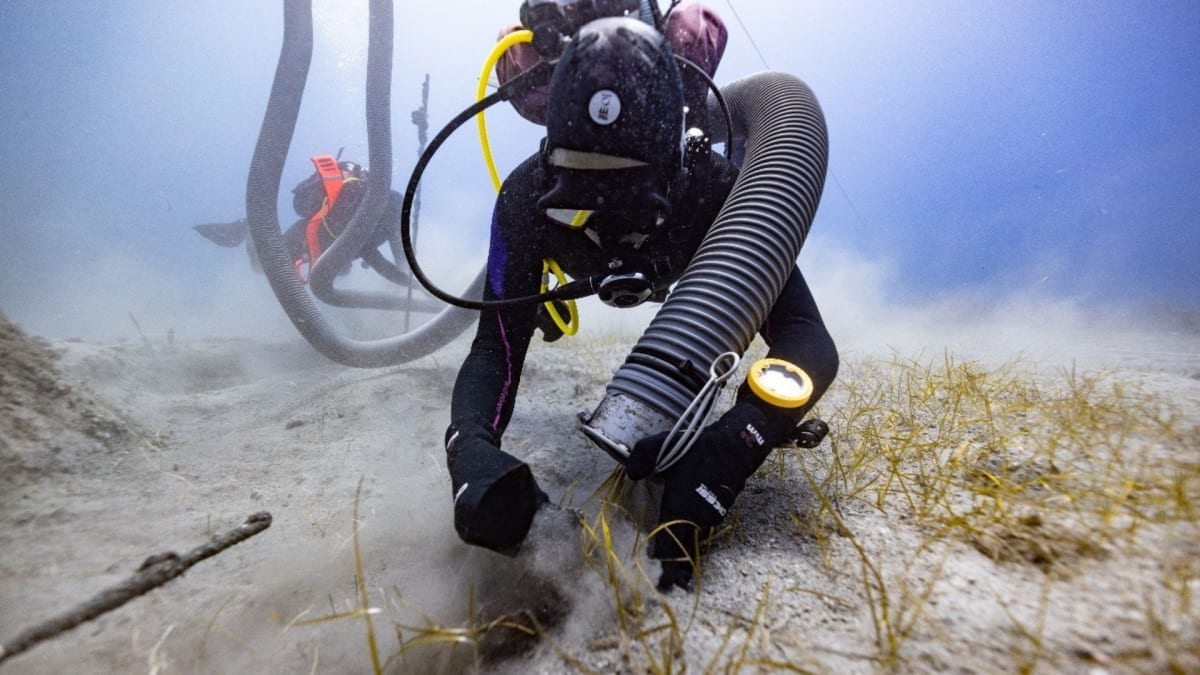
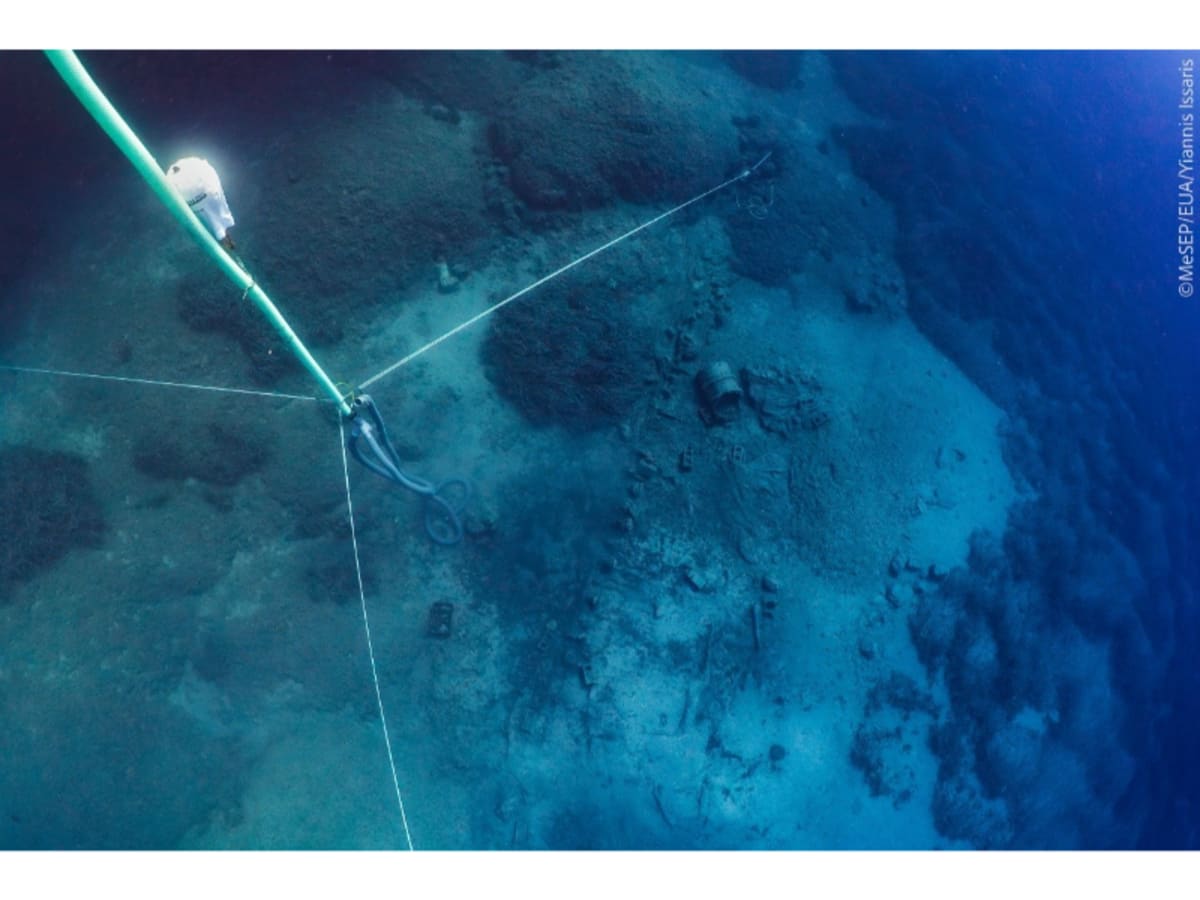
Greek archaeologists found the triangular marble piece in the remains of the Mentor, a ship that went down near the island of Kythira in 1802. The vessel was transporting sculptures from the Acropolis when disaster struck.
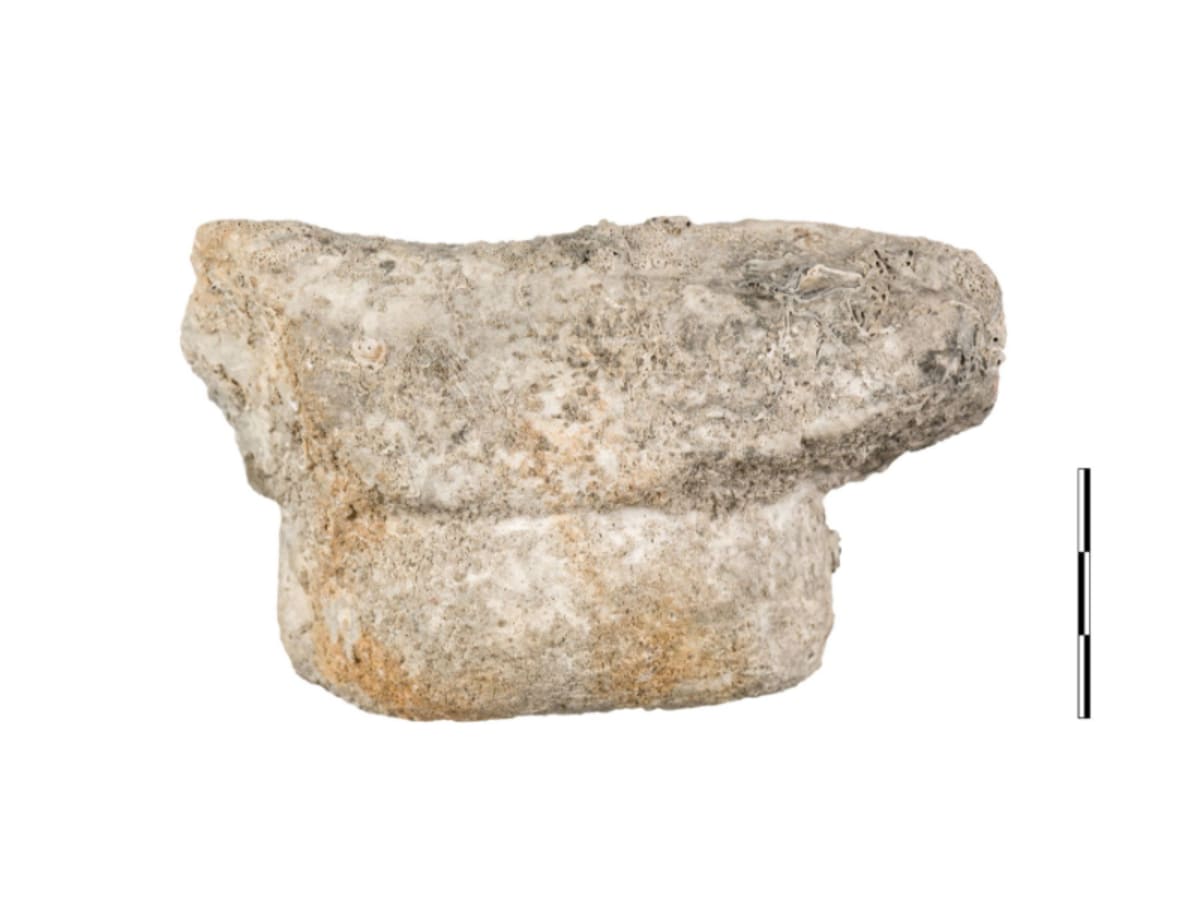
The marble fragment, just under four inches tall, likely came from the Parthenon or another building on the Acropolis. Ancient builders used these decorative pieces, called "drops," to connect larger stone blocks together. This particular piece would have been part of structures built around 2,500 years ago.
The ship belonged to Lord Elgin, a British earl who removed sculptures from the Acropolis while Greece was under Ottoman control. When the Mentor sank, Elgin hired sponge divers to salvage what they could. Many sculptures were recovered and eventually sold to the British Museum in 1816, where they remain today.
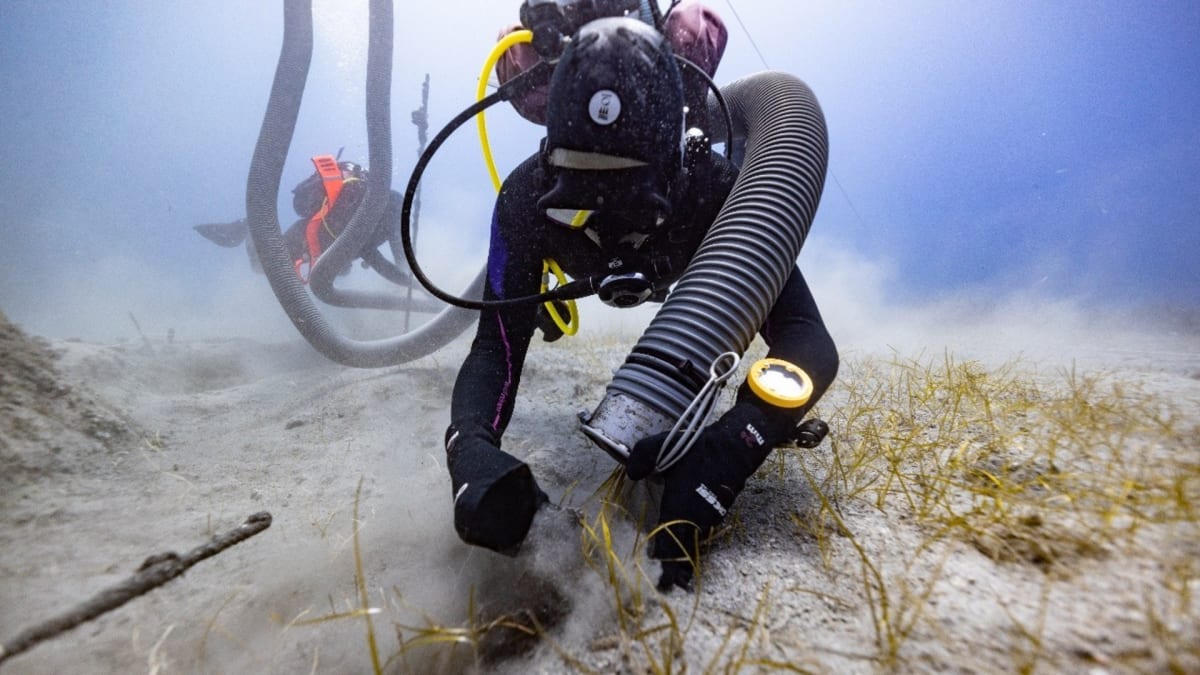
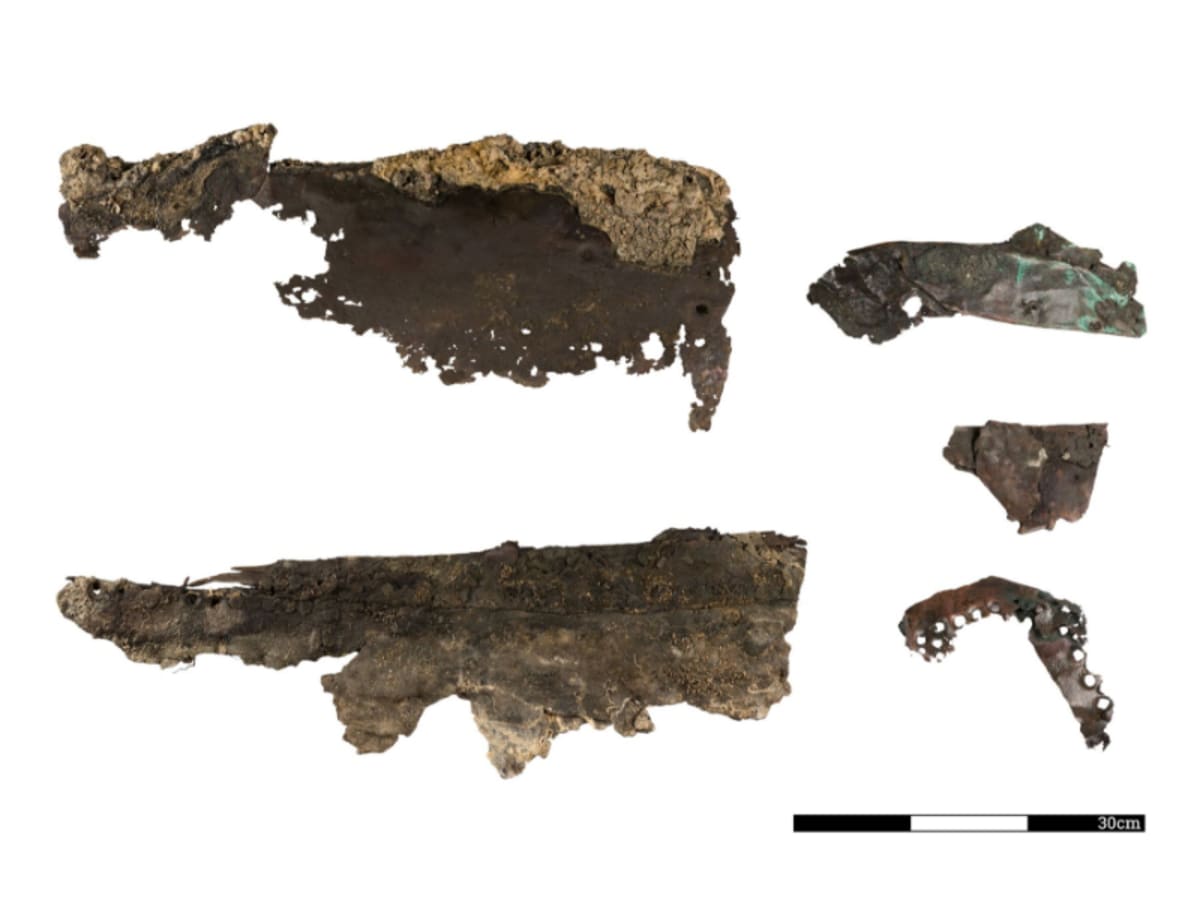
Modern diving teams have been exploring the wreck site since 2009. While the wooden hull has long since disintegrated, researchers keep finding treasures. Recent digs uncovered copper plating from the ship and even a 19th-century chess set that crew members once used.
Why This Inspires
This discovery shows how patience and dedication can still uncover pieces of history we thought were lost forever. The diving teams have spent over a decade carefully searching the sea floor, proving that important work doesn't always happen quickly.
The marble fragment also represents hope for cultural preservation. Every piece recovered helps complete the puzzle of ancient Greek heritage. Teams are now conserving and analyzing the find to learn more about its original location on the Acropolis.
The work continues beneath the waves, with archaeologists committed to finding and protecting these connections to the past.
More Images
Based on reporting by Live Science
This story was written by BrightWire based on verified news reports.
Spread the positivity!
Share this good news with someone who needs it
%2Ffile%2Fattachments%2F2997%2F14300024_667918.jpg)