Marie Tharp Mapped Ocean Floor Despite Being Banned From Ships
A woman geologist who wasn't allowed on research vessels spent hours translating sonar data at a desk and discovered that Earth's continents once moved. Her findings revolutionized our understanding of the planet, even after her colleague dismissed them as "girl talk."
Imagine discovering something that changes how humanity understands our entire planet, only to have your colleague call it "girl talk."
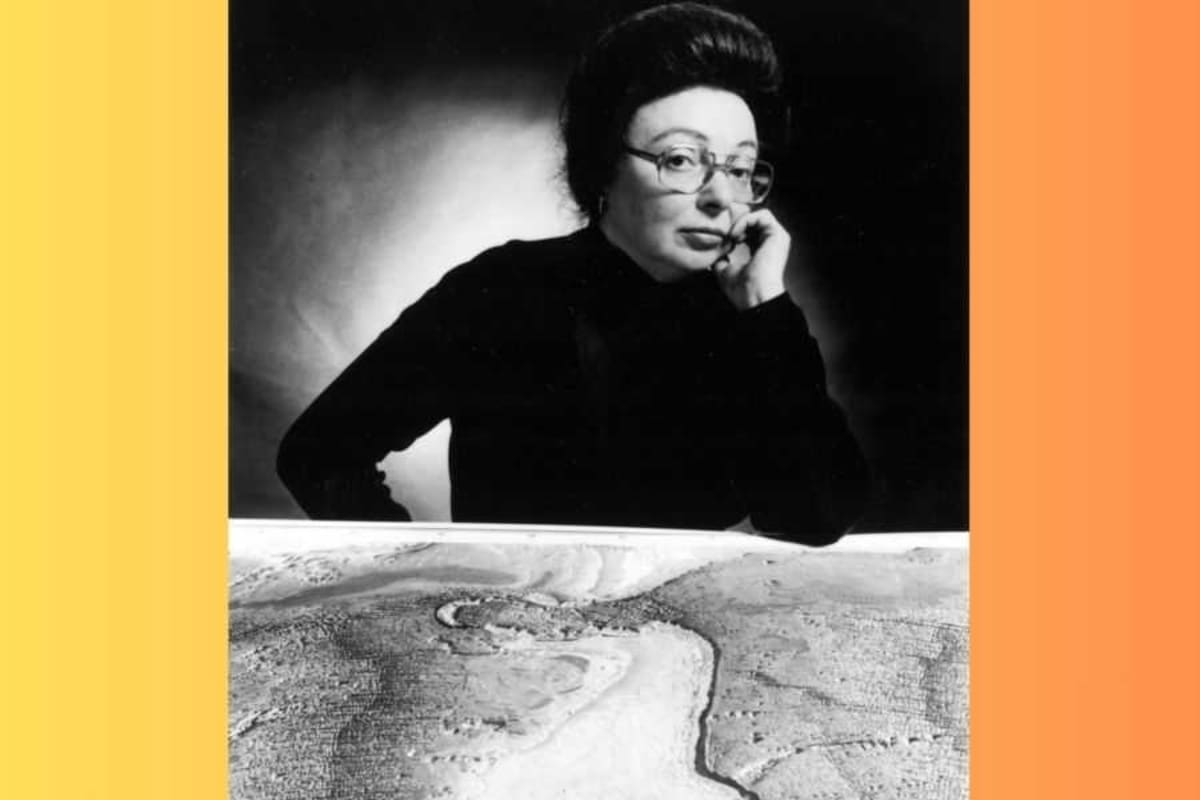
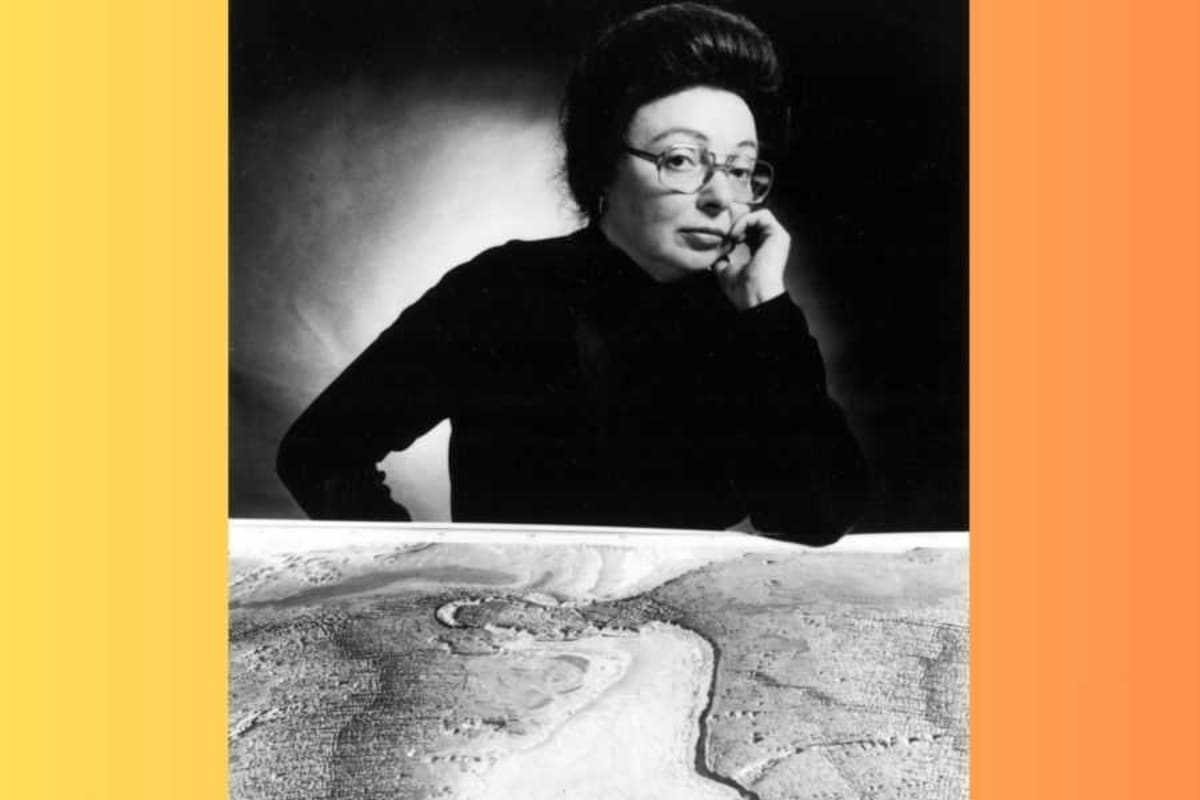
That's exactly what happened to Marie Tharp in 1957. The geologist and oceanographic cartographer had just published the first map of the Atlantic Ocean floor with her colleague Bruce Heezen, revealing an underwater world nobody had seen before.
But Tharp faced a problem from the start. Women weren't allowed on the research ships that collected seafloor data, so she couldn't gather information herself.
Instead, she spent countless hours at a desk translating thousands of sonar readings from the ships that refused to take her. Her hand-drawn maps slowly revealed an ocean floor covered in canyons, ridges, and mountains.
This discovery suggested something radical: pieces of Earth had moved. The mainstream scientific view at the time insisted the ocean floor was flat and motionless.
Tharp's findings supported Alfred Wegener's controversial 1912 theory about continental drift. He'd proposed that present-day continents once fit together as a supercontinent called Pangaea.
When Tharp presented her evidence, Heezen dismissed it as "girl talk." The scientific community remained skeptical because the underwater peaks and valleys were still just educated guesses based on sonar readings.
Then in 1959, Jacques Cousteau set out to prove Tharp wrong. He lowered his underwater camera into the middle of the ocean, determined to show the valley she'd mapped didn't exist.
The camera revealed the valley exactly where Tharp said it would be. Science had proven her right.
Why This Inspires
Despite being correct, Tharp was still viewed as "merely a technician" while Heezen received most of the credit. They continued working together, eventually mapping all the world's oceans, but she couldn't even set foot on a research cruise until 1968.
Tharp succeeded anyway because she believed in her work. "I had a blank canvas to fill with extraordinary possibilities, a fascinating jigsaw puzzle to piece together," she said. "It was a once-in-a-lifetime opportunity for anyone, but especially for a woman in the 1940s."
Recognition came later. In 1978, National Geographic awarded her the prestigious Hubbard Medal. In 1997, the Library of Congress named her one of the greatest cartographers of the 20th century.
Every map we look at today carries a bit of her signature, proof that determination and skill can overcome even the most stubborn barriers.
More Images



Based on reporting by Google: scientific discovery
This story was written by BrightWire based on verified news reports.
Spread the positivity!
Share this good news with someone who needs it