Marigolds Pack Protein Like Quinoa, UGA Study Finds
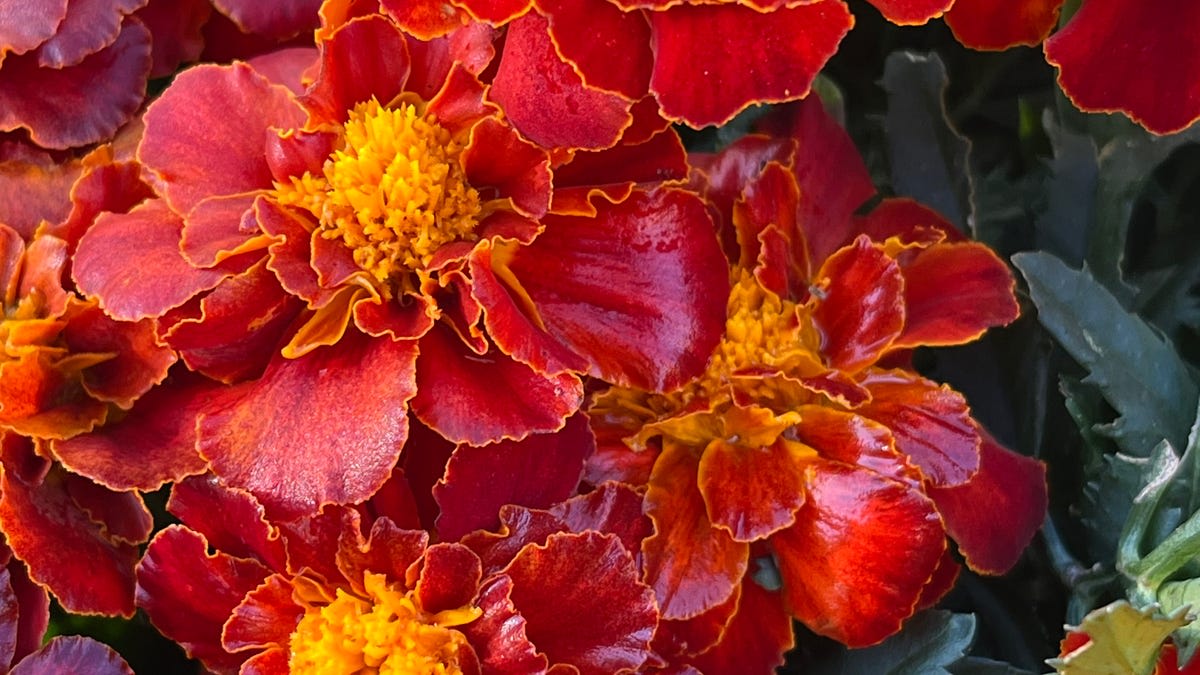
Those cheerful marigolds in your garden might be the next big plant-based protein source. University of Georgia researchers discovered the common flowers contain as much protein as quinoa, with special properties perfect for cooking.
Billions of dollars worth of flowers get tossed in the trash every year, but scientists just found a delicious reason to save them.
Researchers at the University of Georgia discovered that marigold flowers contain protein levels matching quinoa and other plant-based staples. But here's where it gets exciting: marigold protein has unique qualities that could make it a game-changer in kitchens everywhere.
The flower's protein stays stable at high temperatures, making it ideal for baking. Some of its proteins deliver an umami flavor that could enhance savory dishes. Other proteins improve emulsification, meaning they could help hold together salad dressings and sauces without separating.
"What excites me most about this research is that it challenges how we think about flowers," said Fidele Benimana, a doctoral student who led the study. "Most people see marigolds as ornamental plants, but they contain proteins with unique functional properties that could be useful in food formulation."
The flowers also bring hydrating and antioxidant properties, high fiber, and substantial amounts of calcium, potassium and iron. People have been eating marigold petals for centuries in Indian weddings and Mexican Día de los Muertos celebrations, enjoying their tangy, citrusy flavor in teas, soups and garnishes.
Not every marigold is safe to eat, though. Calendula species (pot marigold) and true marigolds from the Tagetes genus are the edible varieties. The research team studied Calendula officinalis, the common marigold, isolating its proteins to understand their potential.
The Ripple Effect
Associate professor Anand Mohan, who led the research, sees this discovery as just the beginning. "Can you imagine if we were able to take those flowers and use them for food instead?" he asked about the billions of dollars in discarded blooms.
This isn't just about marigolds. The study opens doors to exploring other overlooked flowers growing in backyards and farms worldwide. Each could hold nutritional secrets that help feed a growing global population seeking sustainable, plant-based proteins.
"I don't know if the marigold is a super flower," Mohan said. "But to me, I feel like maybe all these beautiful flowers are super flowers. You'd be surprised by how little we actually know about the flowers growing in our yards."
The research, published in ACS Food Science & Technology, represents the first step toward turning food waste into food innovation.
Mother Nature's keeping more delicious secrets in plain sight, just waiting to be discovered.
Based on reporting by Google News - Researchers Find
This story was written by BrightWire based on verified news reports.
Spread the positivity!
Share this good news with someone who needs it