Netherlands Opens World's First Farm-Based Meat Lab
Dutch farmers are installing bioreactors alongside their cows to grow real beef without slaughter. The groundbreaking CRAFT project combines traditional farming with lab-grown meat production, creating a new path forward for agriculture.
Real beef is now growing in tanks on Dutch farms, and it could change how we think about where our food comes from.
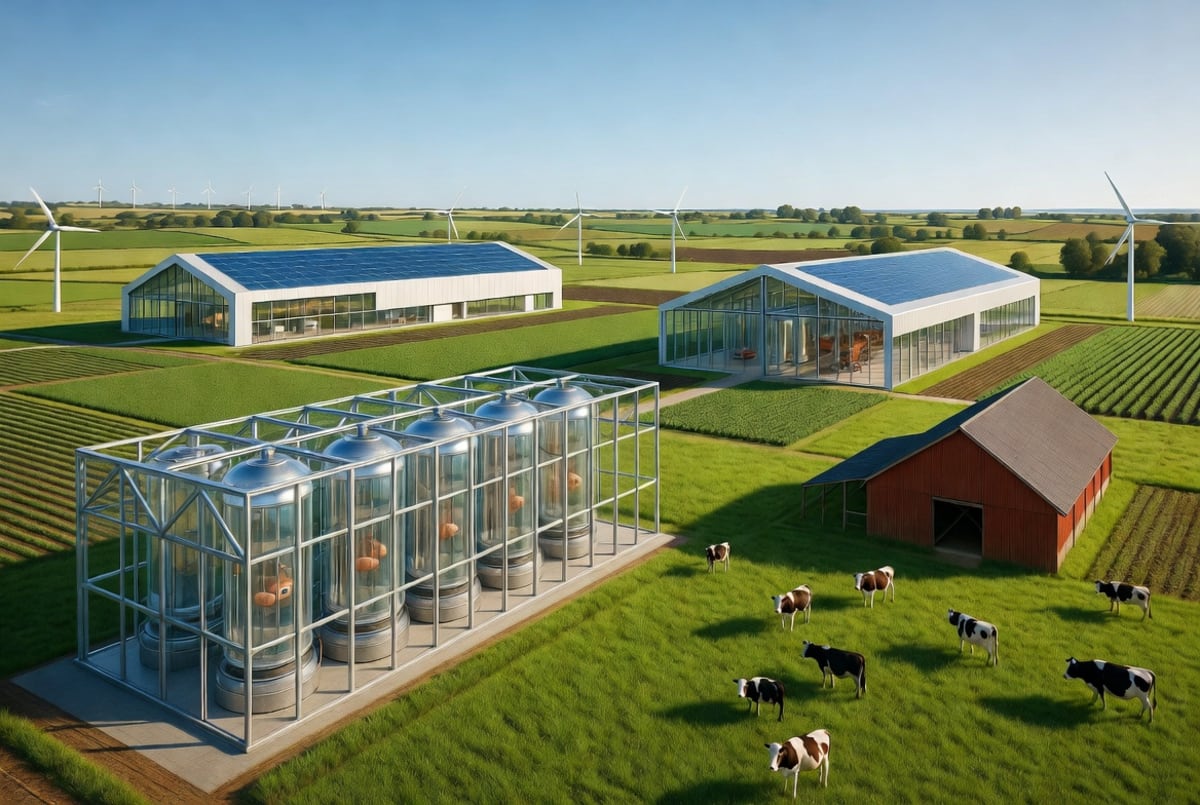
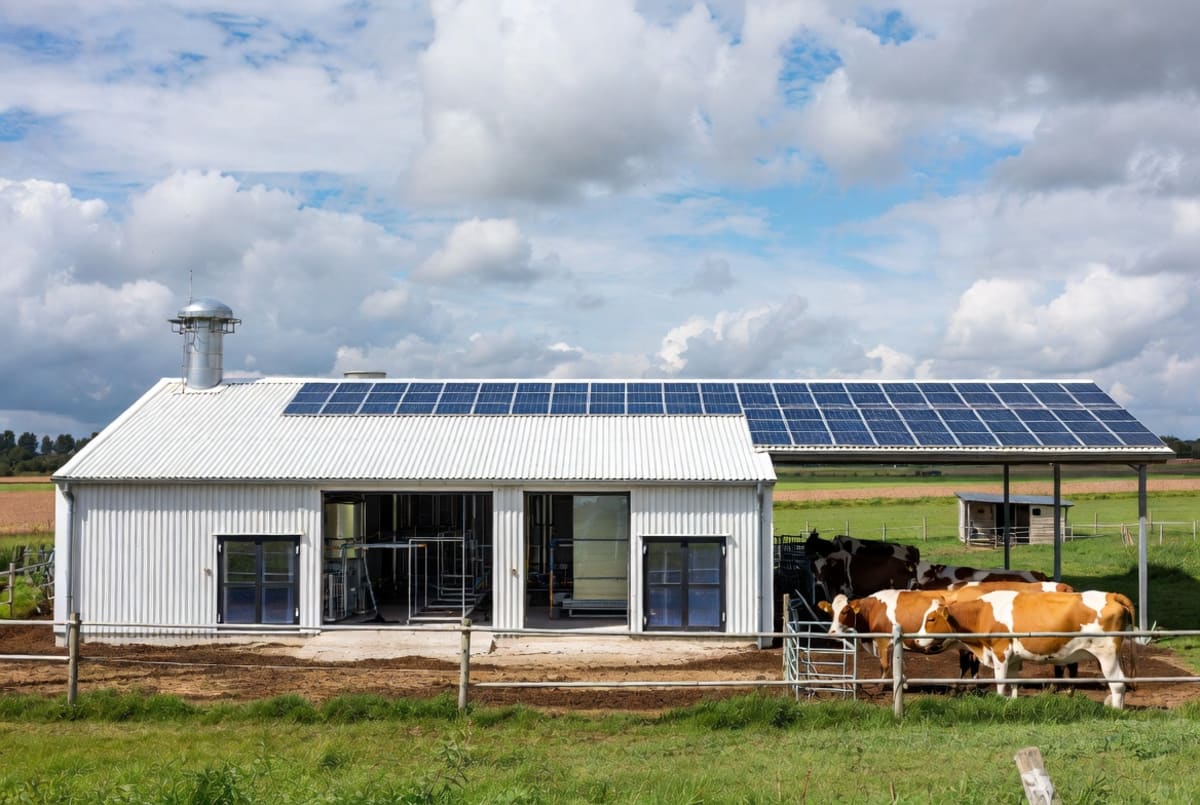
The Netherlands just launched the world's first integrated cultivated meat farm through the CRAFT Consortium, a partnership between RespectFarms, Mosa Meat, and Wageningen University. Instead of building massive factory labs, they're installing small bioreactors directly on working farms, letting farmers produce both traditional dairy and cell-grown beef side by side.
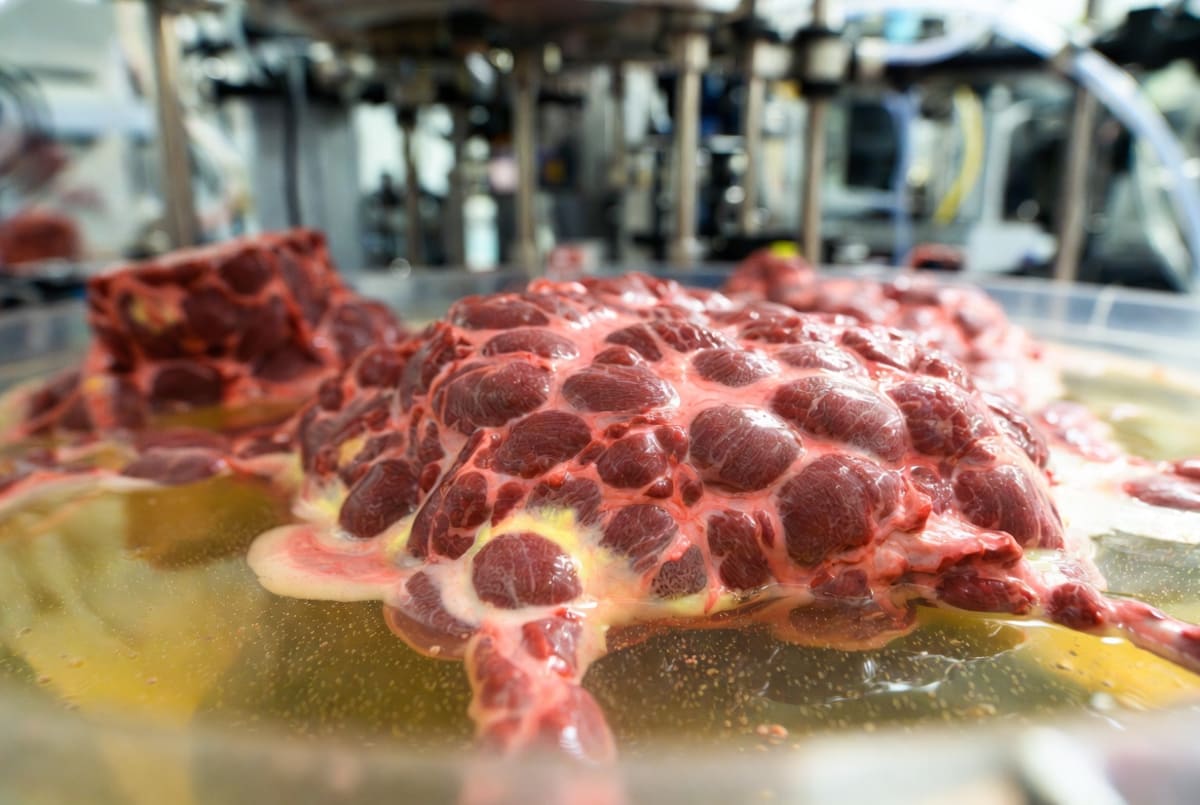
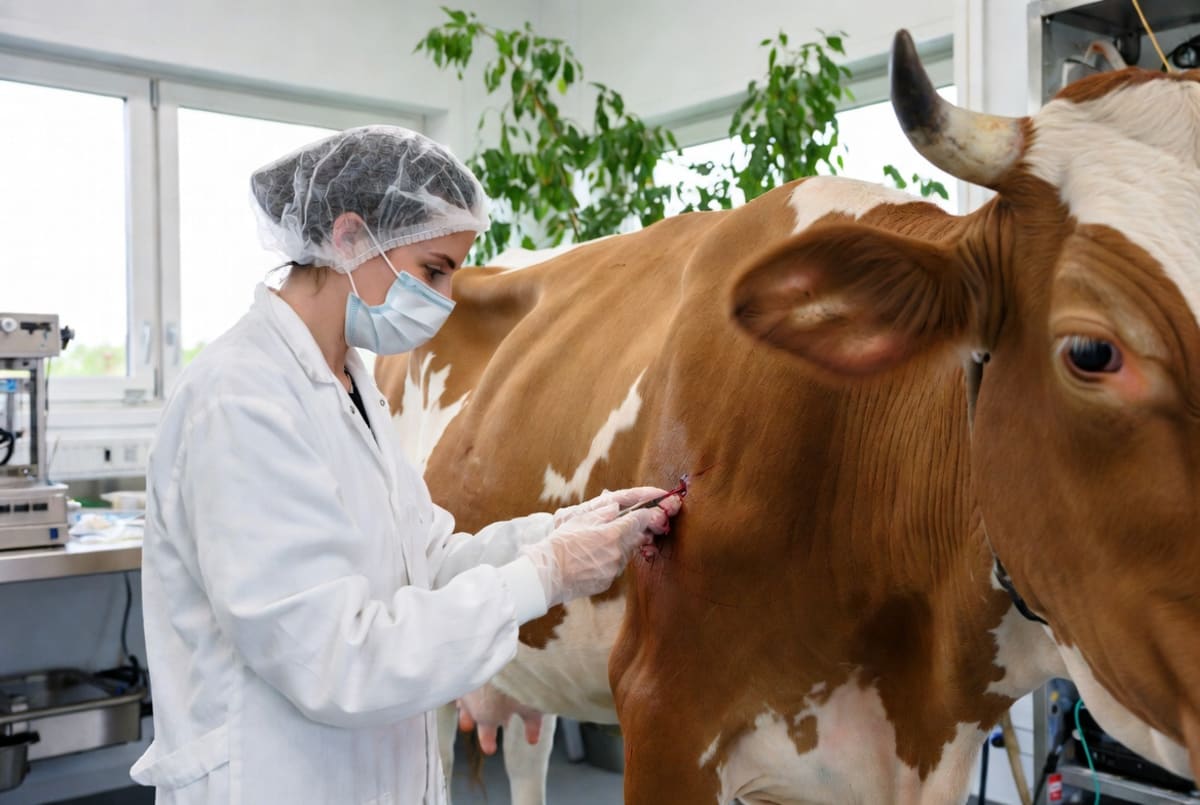
Here's how it works. Scientists take a harmless tissue sample from a living cow through a simple biopsy. They place the muscle cells in a bioreactor filled with nutrients like glucose, amino acids, and vitamins. The cells multiply and grow into actual muscle tissue, biologically identical to conventional beef.
The cow continues its normal life. The farmer gets a new income stream. And real meat gets produced without raising and slaughtering animals at industrial scale.
This isn't plant-based meat trying to taste like beef. It's actual beef cells forming actual beef tissue, just outside the animal's body.
Mosa Meat co-founder Mark Post made history in 2013 with the first cultivated burger, which cost $330,000 to produce. Today, costs have dropped by more than 99% through better cell lines and smarter bioprocessing. The Dutch farm project aims to prove the economics work at real farm scale.
The Ripple Effect shines through in how this approach helps rather than replaces traditional farmers. RespectFarms co-founder Ira van Eelen, whose father filed the first cultivated meat patents in the 1990s, designed the system to use local farm resources and waste streams. Dairy farmers facing uncertain futures can diversify without abandoning their land or livestock.
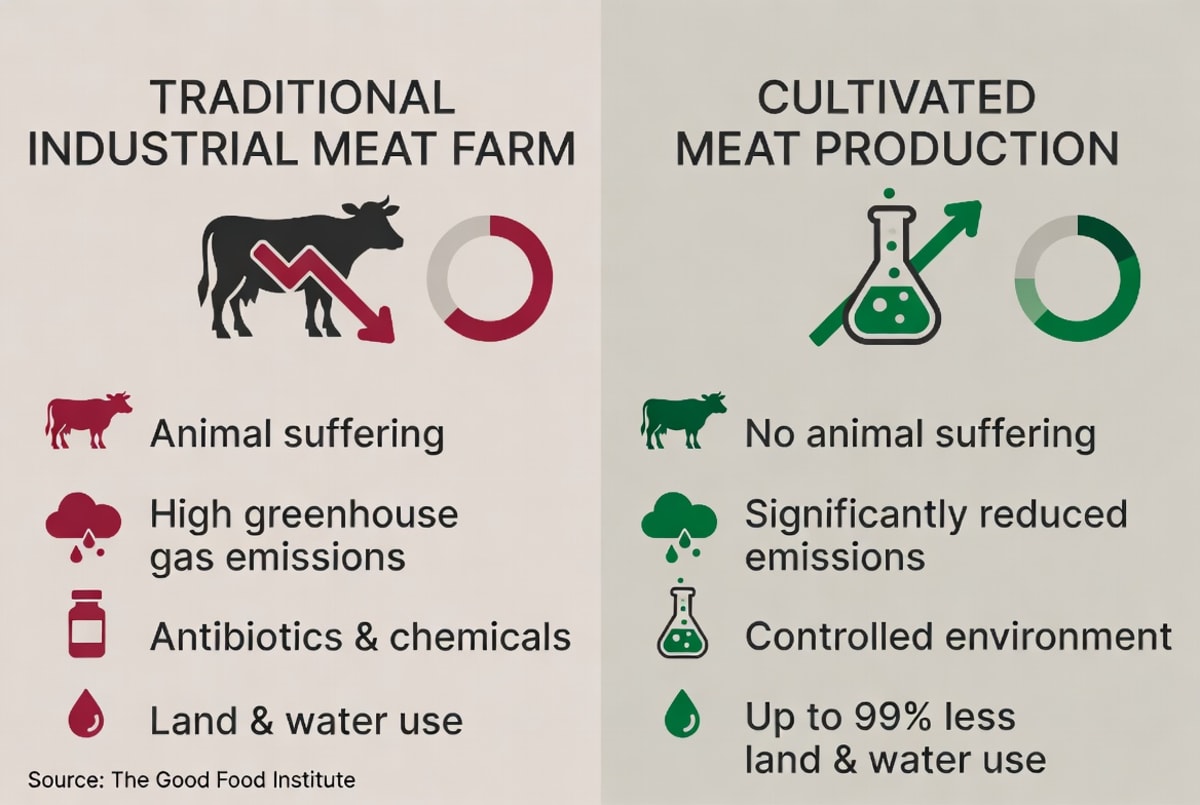
The environmental benefits add up quickly. Cultivated meat requires dramatically less land and water than conventional livestock. It produces fewer greenhouse gases. And it sidesteps many food safety risks associated with industrial animal agriculture.
Major challenges remain, particularly around regulation. The EU requires rigorous safety testing under Novel Foods rules, and some countries have moved slowly due to agricultural industry pressure. Several US states have even banned sales, despite federal approval for some products.
Cost is the other hurdle. While prices have plummeted from laboratory curiosity levels, reaching supermarket parity with conventional meat needs more breakthroughs in scaling. The Dutch farm model tests whether decentralized production on existing farms can crack that code faster than giant centralized facilities.
Safety concerns about cancer risk from cultured cells have been thoroughly debunked by scientists and the Good Food Institute. The cell lines undergo careful controls and rigorous testing, just like any new food technology.
This Dutch experiment represents something bigger than meat. It shows how farmers can lead agricultural innovation rather than become victims of it, blending tradition with cutting-edge science to build resilient food systems for a growing world.
More Images
Based on reporting by Google News - Netherlands Technology
This story was written by BrightWire based on verified news reports.
Spread the positivity!
Share this good news with someone who needs it
%2Ffile%2Fattachments%2F2996%2F20ThefarmersdaughterusingsolarandAItokeepharvestsalive10_793178.jpg)