Mars Rover Accidentally Reveals Pure Sulfur in Rock
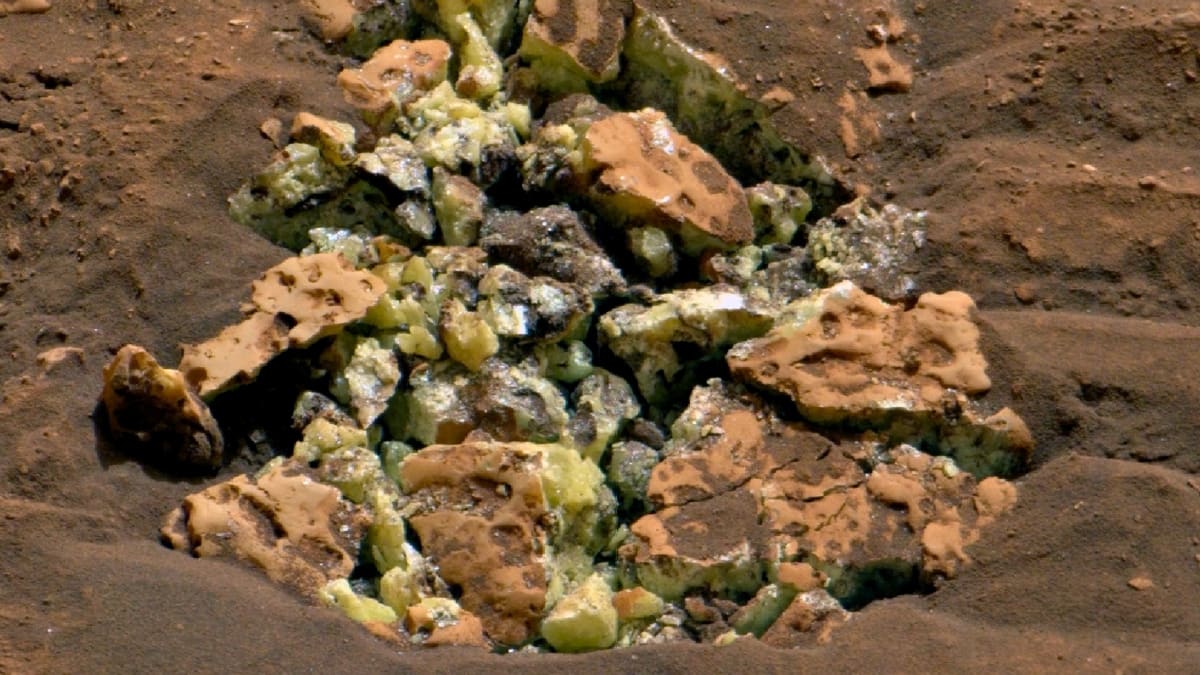
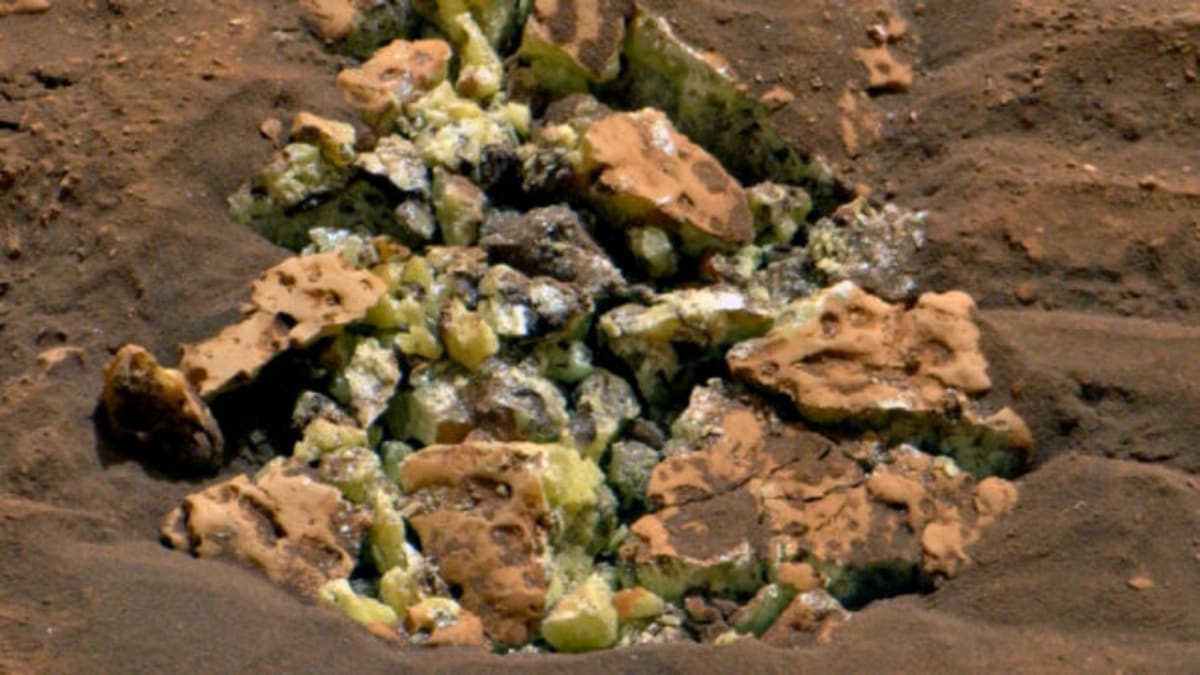
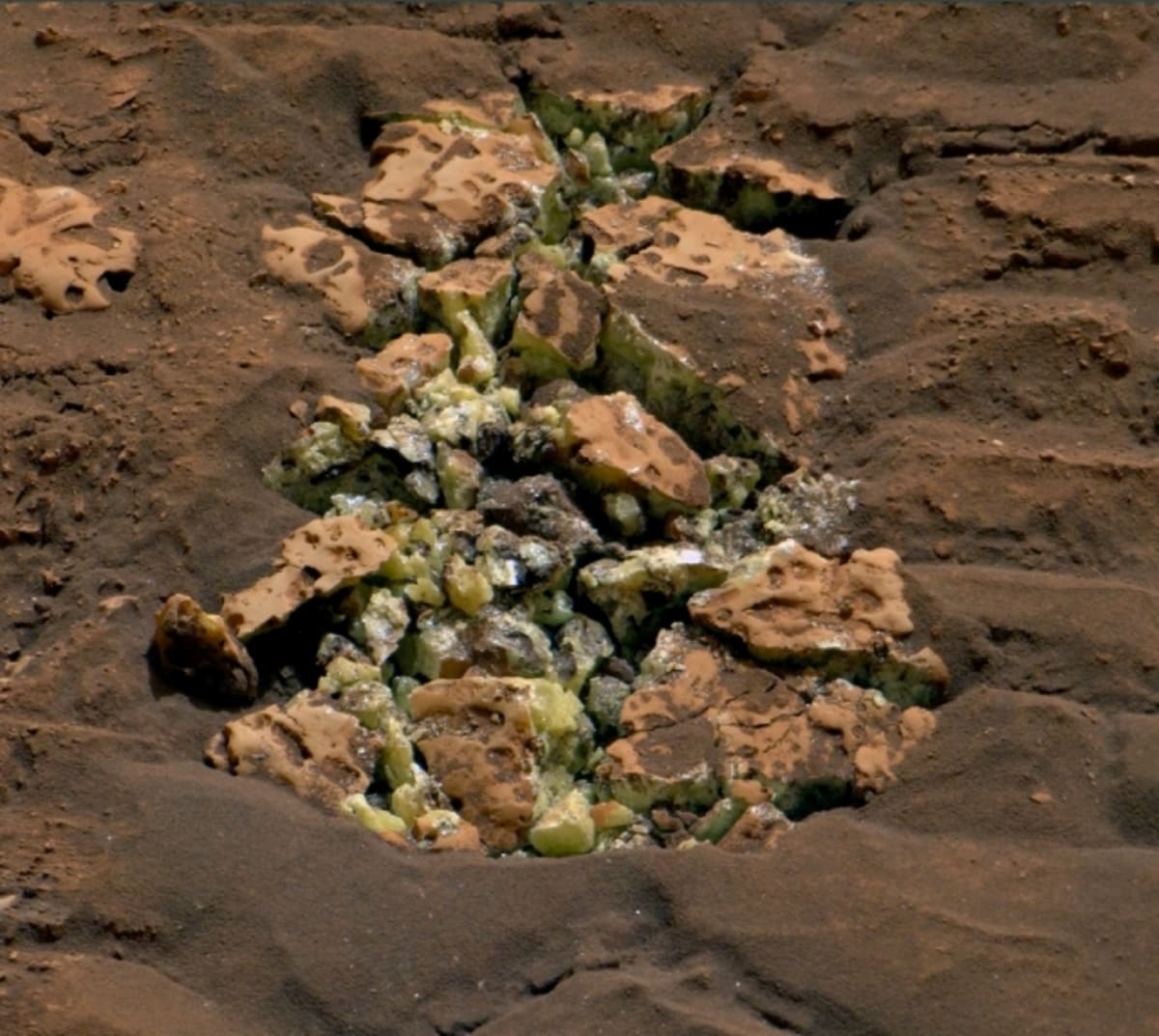
NASA's Curiosity rover cracked open a rock on Mars and discovered yellow crystals of pure sulfur inside, the first time this element has been found in its pure form on the red planet. The accidental find suggests an entire field of similar rocks may be waiting to rewrite what we know about Mars.
A happy accident on Mars just gave scientists a puzzle they never expected to solve.
When NASA's Curiosity rover rolled over a fragile rock in May 2024, the 1,982-pound machine cracked it open to reveal bright yellow crystals sparkling inside. The discovery stunned researchers: pure elemental sulfur, something that shouldn't exist in that region of Mars based on everything we know about the planet's geology.
"Finding a field of stones made of pure sulfur is like finding an oasis in the desert," said Curiosity project scientist Ashwin Vasavada in July 2024. "It shouldn't be there, so now we have to explain it."
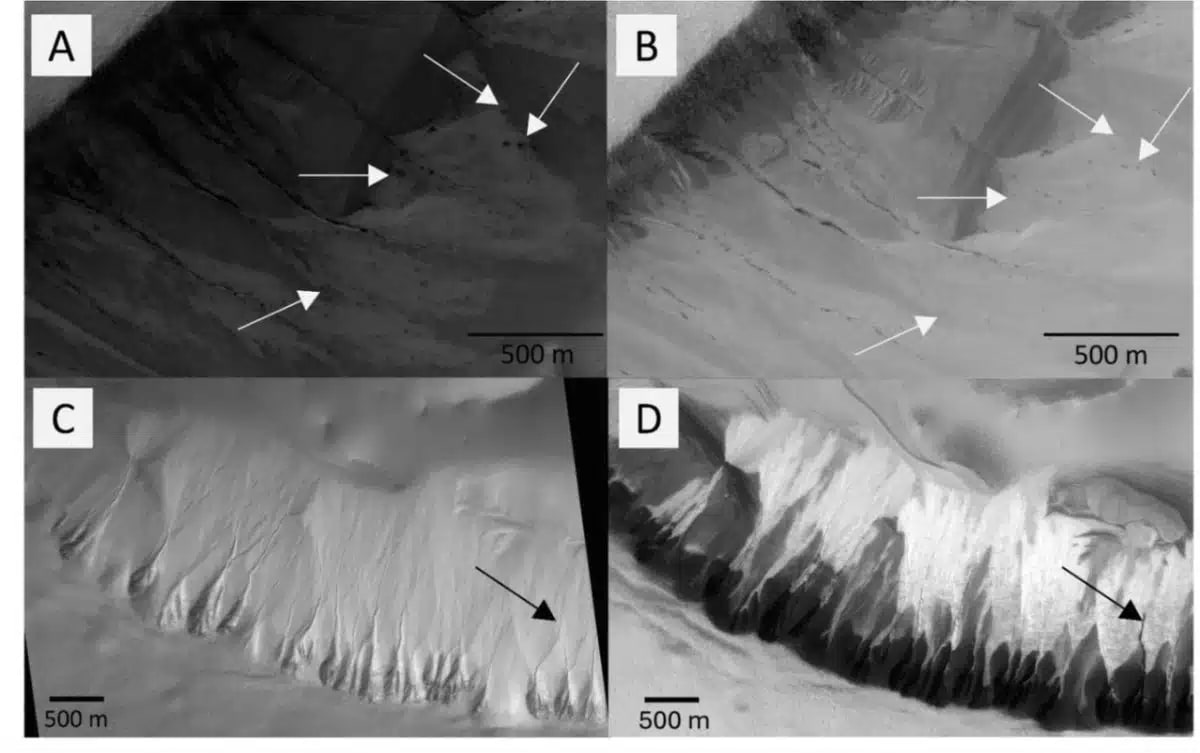
The rock sat in the Gediz Vallis Channel, an ancient waterway that carried rivers billions of years ago. What makes this discovery even more exciting is that the area appears littered with similar-looking rocks, suggesting pure sulfur might be abundant there.
Scientists have known about sulfates on Mars for years. These salts form when sulfur mixes with other minerals in water, then dries out as the water evaporates. They tell us important stories about Mars' watery past.
Pure sulfur is different. It only forms under very specific conditions that scientists didn't think existed in this part of Mars. The discovery means there's something significant about the planet's geological history that researchers have completely missed.
Why This Inspires
This accidental discovery shows how exploration rewards curiosity and persistence. If Curiosity had taken a different route, scientists might have waited years to find this sulfur field.
The rover has now collected 42 rock samples during its mission, drilling into Mars' surface to unlock secrets about our neighboring planet. Each sample adds another piece to the puzzle of whether Mars could have supported life.
Meanwhile, NASA's Perseverance rover recently set a new record with a 411-meter drive, the longest single trip by any robot vehicle on another planet. Together, these rovers represent humanity's determination to understand our place in the universe.
Scientists will now work to model how pure sulfur could have formed in the Gediz Vallis Channel. The answer could reshape our understanding of Mars' past and what conditions existed when water flowed freely across its surface.
Curiosity continues trundling along the ancient channel, ready for whatever surprises wait around the next rock.
More Images


Based on reporting by Google News - Science
This story was written by BrightWire based on verified news reports.
Spread the positivity!
Share this good news with someone who needs it