Mars Rover Curiosity Hunts for Life Signs After Sun Break
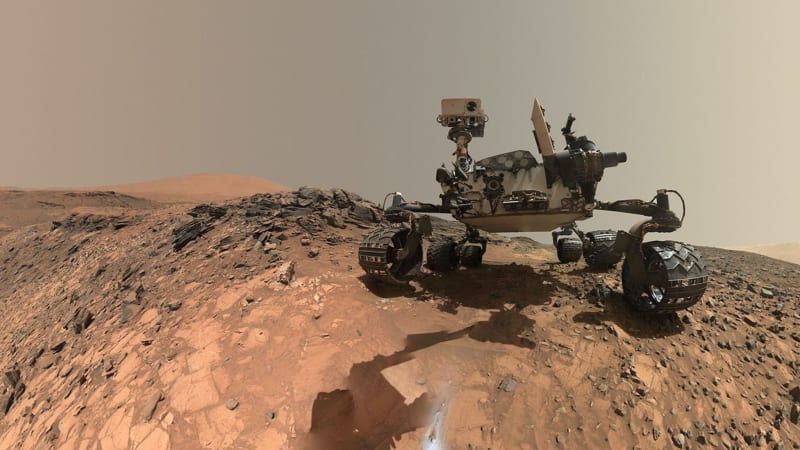
NASA's Curiosity rover just reconnected with Earth after Mars hid behind the Sun, and it's preparing for a once-in-a-lifetime experiment to search for organic molecules. The rover will drill into Mars rock using its last precious drop of special chemicals that could reveal signs of ancient life.
After weeks of radio silence while Mars passed behind the Sun, NASA's Curiosity rover is back online and preparing for one of its most important experiments in six years.
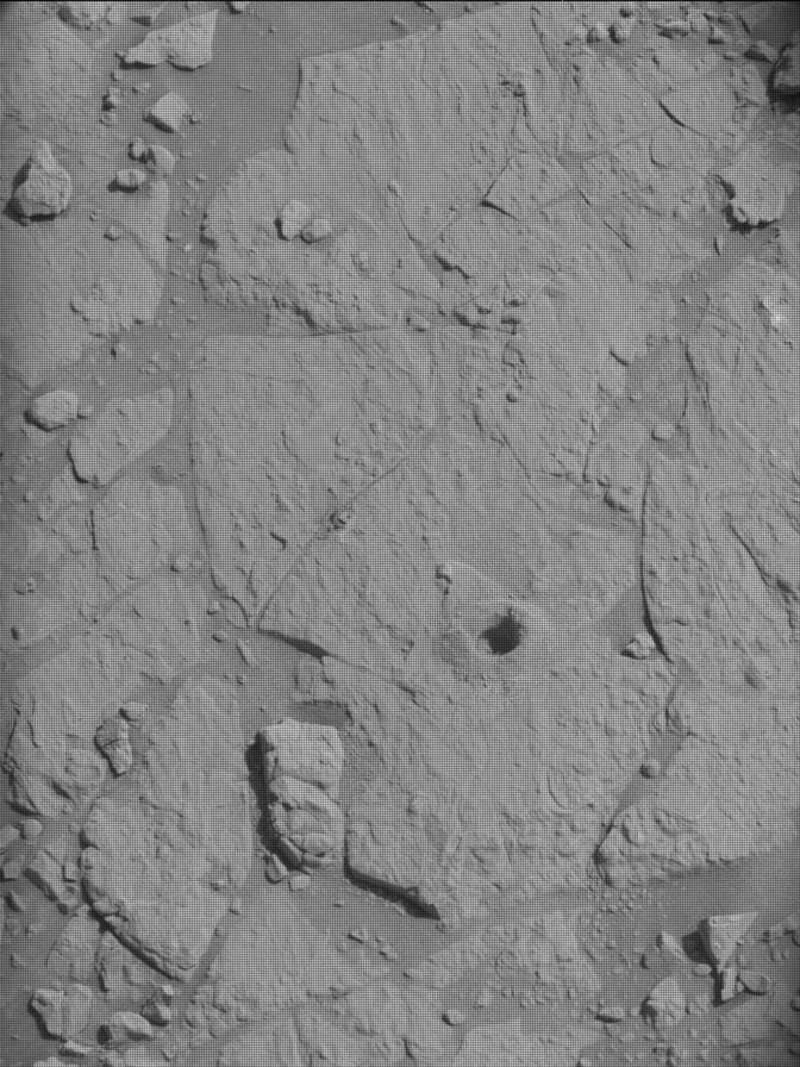
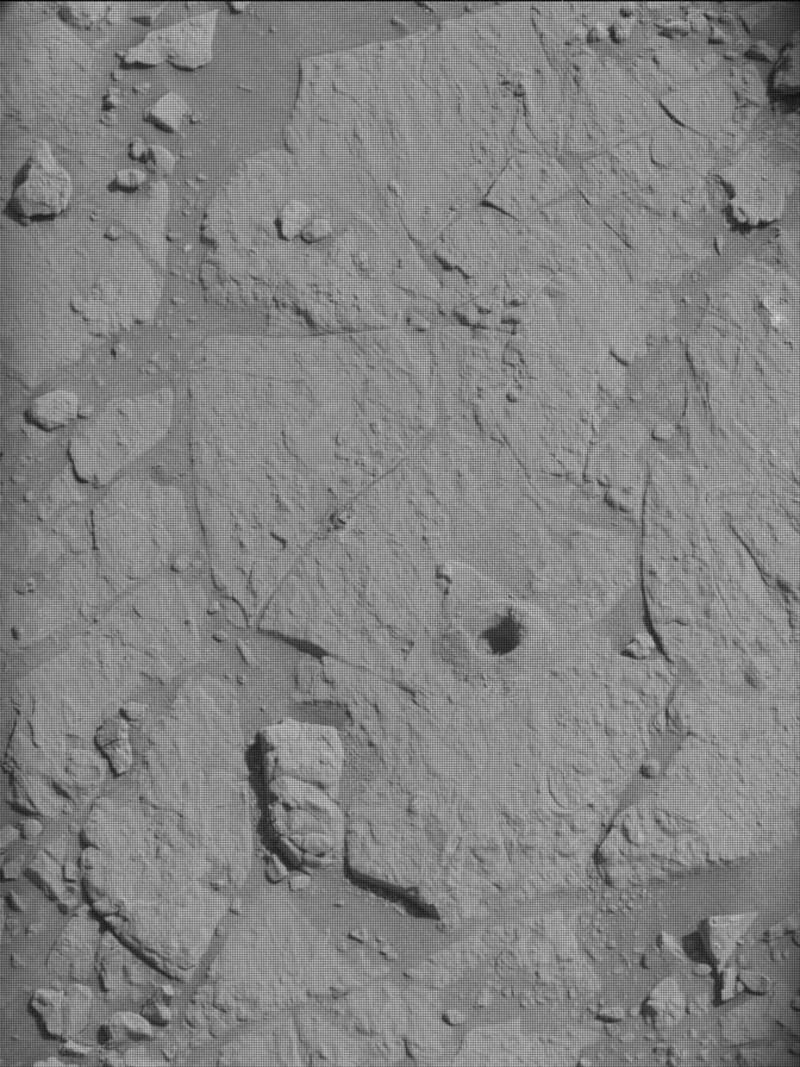
The rover emerged from what scientists call "conjunction" on January 30, 2026, when Earth and Mars lost contact because the Sun blocked their communication. Now reconnected, Curiosity is drilling into Martian rock at a familiar location called "Nevado Sajama" for a rare chemical experiment that could detect organic molecules.
The stakes are high because Curiosity only has one container left of a special chemical called TMAH. This chemical acts like a detective's magnifying glass for Mars dirt, helping scientists identify organic molecules that might point to ancient life on the Red Planet.
NASA had only two containers of TMAH when Curiosity launched. The team used the first one almost six years ago and saved the second for the perfect moment. That moment is now.
Before drilling this weekend, the team ran a practice drill on Wednesday to make sure everything would work perfectly. They tested handing off the rock sample to SAM, the onboard laboratory that will mix the precious TMAH with Martian soil.
During the Sun blackout, Curiosity stayed busy. The rover examined a broken white rock using its laser and camera instruments. It also kept watch over a sandy patch to catch any wind-driven movement on the Martian surface.
The new drill site sits just two meters from where Curiosity drilled in November. Scientists chose this spot because they already know the rock composition and want to dig deeper into what organic secrets it might hold.
Why This Inspires
This experiment represents more than a decade of patience and precision. NASA scientists waited years to use their last sample of TMAH, knowing they would only get one more chance to search for the building blocks of life on Mars.
The mission shows how human curiosity spans planets. While Mars hid behind our star, scientists on Earth planned every detail of this weekend's drill, ensuring that when the planets aligned again, Curiosity would be ready for its biggest discovery attempt in years.
Every rock sample brings us closer to answering whether life ever existed beyond Earth.
More Images


Based on reporting by NASA
This story was written by BrightWire based on verified news reports.
Spread the positivity!
Share this good news with someone who needs it