Maryland Issues 84 Recommendations After Lynching Study
After six years of research, Maryland's Lynching Truth and Reconciliation Commission has released a groundbreaking report documenting 38 Black lives lost to racial terror and proposing a path forward. The 630-page report calls for reparations, education reforms, and official acknowledgment of the state's role in enabling lynchings between 1854 and 1933.
Maryland is taking a historic step toward healing by confronting one of the darkest chapters in its past. The Maryland Lynching Truth and Reconciliation Commission just released its final report after six years of painstaking research, documenting the lives of 38 Black Marylanders who were lynched and proposing 84 recommendations to address the lasting harm.
The commission's findings reveal truths that many suspected but few had documented so thoroughly. Every single victim was denied due process under the law, with many pulled directly from jails or courthouses while awaiting trial. These weren't spontaneous acts of mob violence but calculated tools of political and social control designed to suppress Black voting, land ownership, and economic advancement.
What makes this report particularly powerful is its refusal to let state actors off the hook. Law enforcement officers, jailers, judges, and other officials didn't just fail to intervene. In some cases, they actively participated in the lynchings or effectively sanctioned them through their inaction.
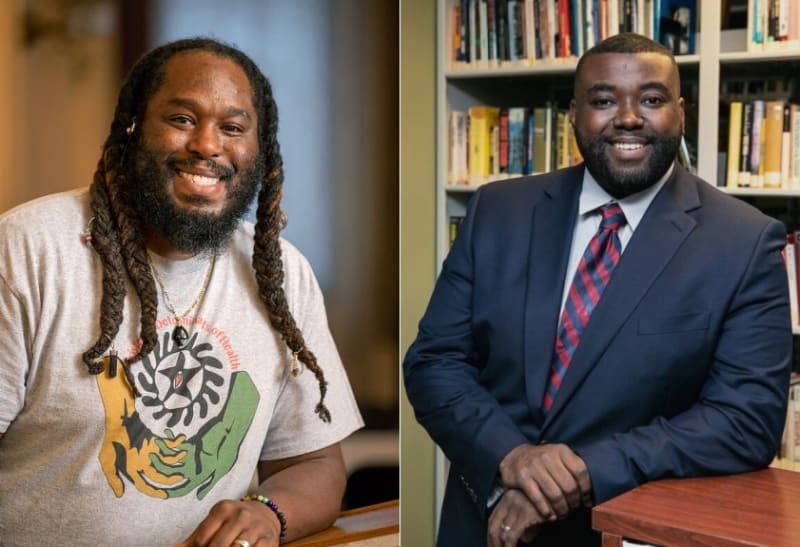
"These harms are ongoing. They are not historical abstractions," said Charles Chavis, vice chair of the commission. The research shows how deeply this legacy of racial terror has shaped present-day mistrust of legal and government systems, along with intergenerational trauma that still reverberates through Black communities.
The 84 recommendations span nine categories, from criminal justice reform to community healing initiatives. The proposals call for an official state apology, strengthened due process protections, and investments in education and mental health resources in communities where lynchings occurred. The commission also recommends memorials, posthumous indictments, and reforms in how media covers racial violence.
Perhaps most significantly, the report calls for material compensation to descendants of lynching victims. This isn't just about cash payments but includes poverty reduction plans and targeted investments to support Black businesses and long-term economic empowerment in affected communities.
The Ripple Effect
This work is already creating momentum for broader change. Last December, Maryland's General Assembly overrode Governor Wes Moore's veto to create a commission studying reparations statewide. Now, state lawmakers are working with the commission to draft legislation that could be introduced during the current legislative session.
Dr. David Fakunle, chair of the commission, acknowledges that implementing all recommendations will take time. The commission is actively building relationships to ensure the best possible implementation. They're committed to seeing this through, even as they wait for a response from the governor's office.
What Maryland is doing matters far beyond its borders. By documenting these atrocities in such thorough detail and proposing concrete steps for repair, the state is creating a model for truth and reconciliation that other states could follow.
The work of remembering is the first step toward healing.
More Images



Based on reporting by Google News - Reconciliation
This story was written by BrightWire based on verified news reports.
Spread the positivity!
Share this good news with someone who needs it