Massachusetts Could Meet 2050 Energy Needs With Rooftop Solar
New research shows Massachusetts can double its electric grid capacity by 2050 using rooftop solar and batteries instead of fossil fuels. The solution is already proven, affordable, and ready to scale.
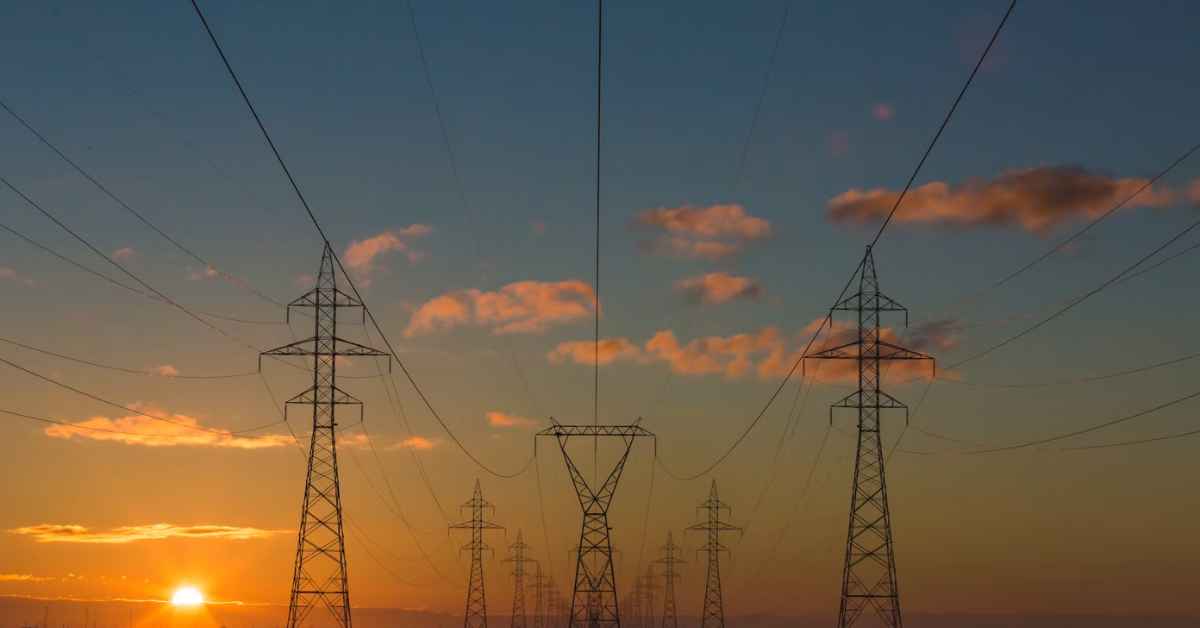
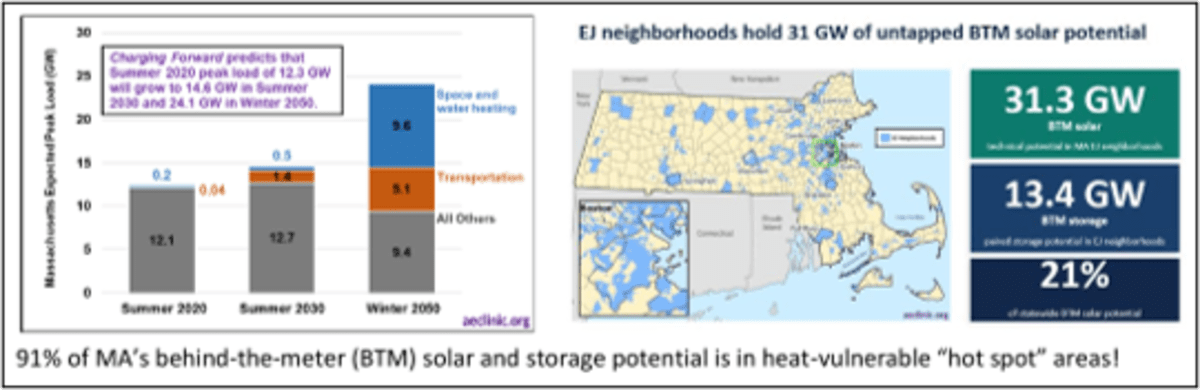
Massachusetts faces a big challenge: electrifying transportation and heating will double the state's peak electricity demand by 2050. But a groundbreaking study shows the answer might already be sitting on millions of rooftops.
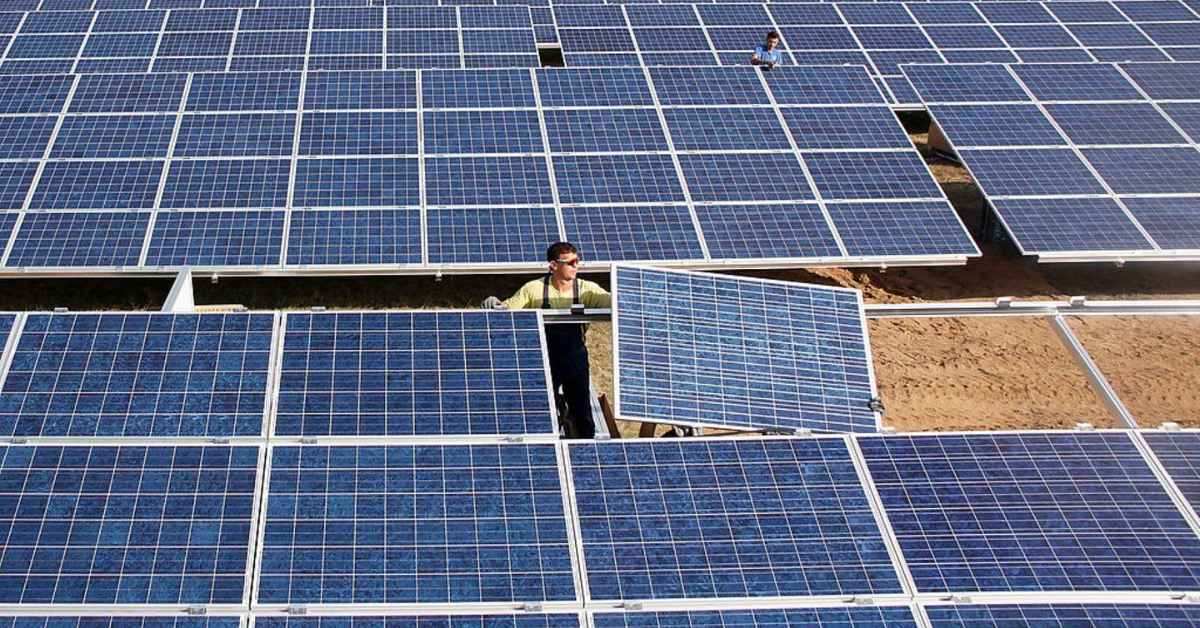
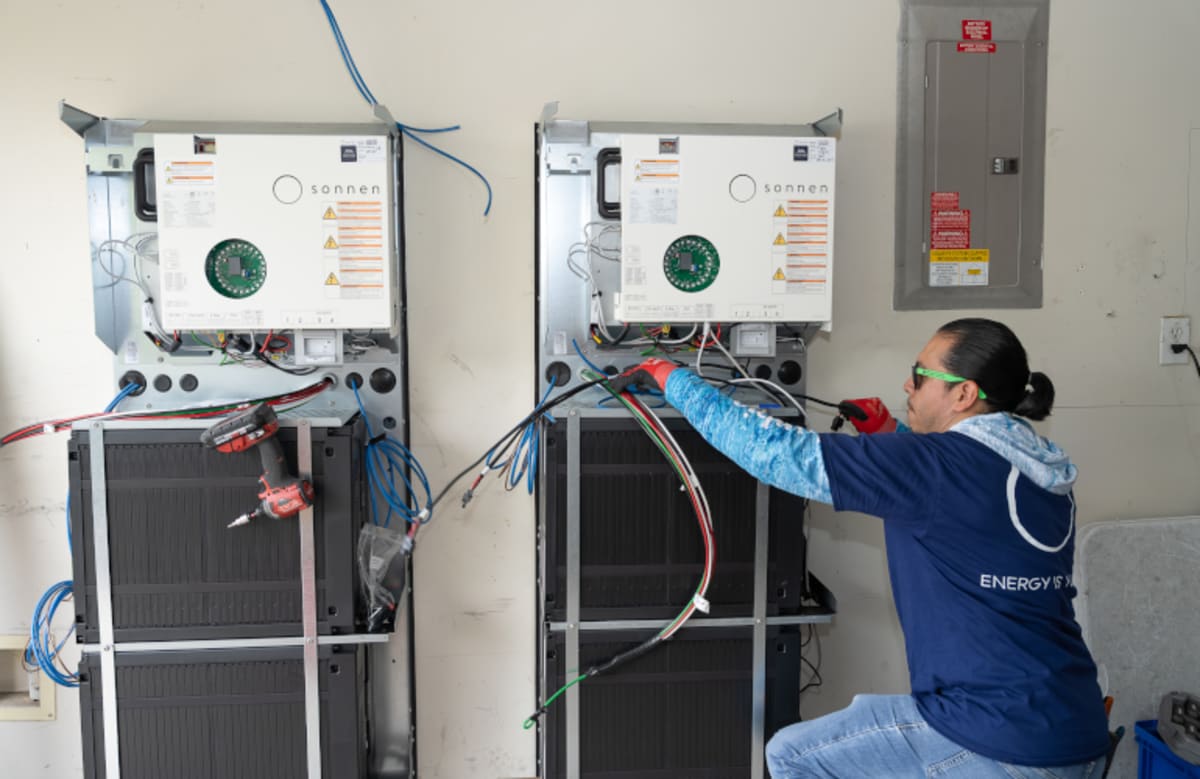
New research from Clean Energy Group, Vote Solar, and the Union of Concerned Scientists reveals that distributed solar panels paired with home batteries can meet the state's entire future energy needs. The numbers are striking: 92 gigawatts of rooftop solar combined with 40 gigawatts of battery storage could power the predicted 24 gigawatt peak demand without building a single new fossil fuel plant.
This matters because Massachusetts is at a crossroads. Federal solar tax credits are ending, offshore wind projects face delays, and new renewable energy projects wait years for grid approval. Without action, the state could default to expanding natural gas, which currently provides half the region's electricity.
More gas means higher bills, increased emissions, and continued pollution in communities that already bear the brunt of fossil fuel impacts. But the distributed energy alternative offers something better: clean power that reduces costs and improves quality of life where people need it most.
Environmental justice communities, which have historically faced disproportionate pollution, could host over 31 gigawatts of solar and 13 gigawatts of storage. These same areas are heat vulnerable hot spots where residents struggle with high energy prices and need reliable backup power during summer grid failures.
The Ripple Effect
Massachusetts already leads the nation in solar and storage programs. ConnectedSolutions, one of the country's first battery-based virtual power plants, proved the concept works. Now at least 27 states have launched similar programs that excel at reducing peak demand.
The technology exists. The programs work. The know-how is proven. What's needed now is the political will to expand these efforts to meet growing demand, creating a blueprint other states can follow as they face similar electrification challenges.
This approach transforms individual homes and businesses into a powerful collective resource that strengthens the entire grid while putting money back in residents' pockets. When aggregated, these distributed systems provide grid-scale services without the decade-long waits and massive infrastructure of centralized power plants.
The path forward requires updating existing programs and removing regulatory barriers, but Massachusetts has shown it can be done. The state's choice will ripple far beyond its borders, showing whether America's clean energy transition will be fast, fair, and community-powered.
More Images

Based on reporting by Google News - Clean Energy
This story was written by BrightWire based on verified news reports.
Spread the positivity!
Share this good news with someone who needs it