Massachusetts Drivers Form Nation's First Ride-Hailing Union
Nearly 70,000 Uber and Lyft drivers in Massachusetts just certified the first union for ride-hailing workers in American history. The victory could reshape how gig workers organize across the country.
After years of fighting for better pay and protections, Massachusetts ride-hailing drivers achieved what once seemed impossible. They've formed the nation's first union for app-based drivers, potentially opening the door for millions of gig workers nationwide.
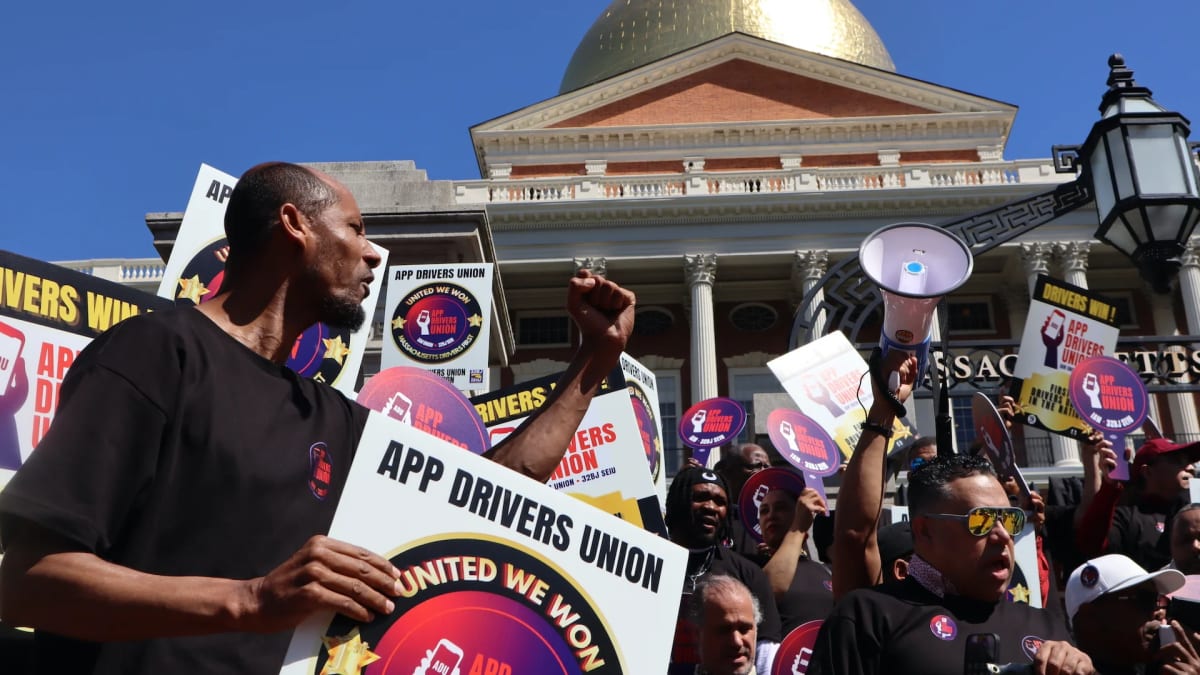
The historic certification happened Tuesday outside the Massachusetts State House, where drivers waved signs and celebrated a groundbreaking moment. Labor leaders called it the largest private-sector organizing victory since Ford autoworkers unionized back in 1941.
The union became possible after Massachusetts voters approved a 2024 ballot measure creating a first-in-the-nation system. The framework allows ride-hailing drivers to unionize and bargain collectively while keeping their status as independent contractors.
Nearly 70,000 drivers across Massachusetts could eventually join the union. That's tens of thousands of workers gaining a collective voice in an industry that's fought hard against traditional labor organizing.
Jean Fredo knows exactly what's at stake. After driving for Uber for more than seven years, he's experienced the uncertainty that comes with gig work firsthand.
"With the union, it will not feel like we're working for nothing," Fredo said through a translator. "Now the money will not only stay in the billionaire's pockets. The money will actually come to the workers who work very hard."
Drivers are seeking better pay, protection against sudden account deactivations, and more day-to-day stability. These concerns have only grown as self-driving technology rapidly expands, though Massachusetts doesn't currently allow fully driverless commercial rides.
The Ripple Effect
This victory isn't just about Massachusetts. Labor organizers in California and Illinois are watching closely, building similar campaigns to organize app-based workers in their states.
The model proves that gig workers can organize even while remaining independent contractors, a combination many thought legally impossible. It challenges the long-held assumption that flexibility and worker protections are mutually exclusive.
For the millions of Americans working in the gig economy, this moment represents a potential turning point. Drivers, delivery workers, and other app-based employees now have a roadmap for building collective power.
Massachusetts just showed the rest of the nation that when workers come together, even the newest industries can't escape the oldest truth: organized labor works.
Based on reporting by Fast Company - Innovation
This story was written by BrightWire based on verified news reports.
Spread the positivity!
Share this good news with someone who needs it