Massachusetts Gives Free EV Chargers That Power Homes
Massachusetts is giving away cutting-edge chargers that let electric vehicles send power back to homes and the grid during outages. Schools, towns, and 30 residents will get the technology free, turning their EVs into backup batteries.
Your electric car might soon power your house when the lights go out, and Massachusetts is making it free to find out how.
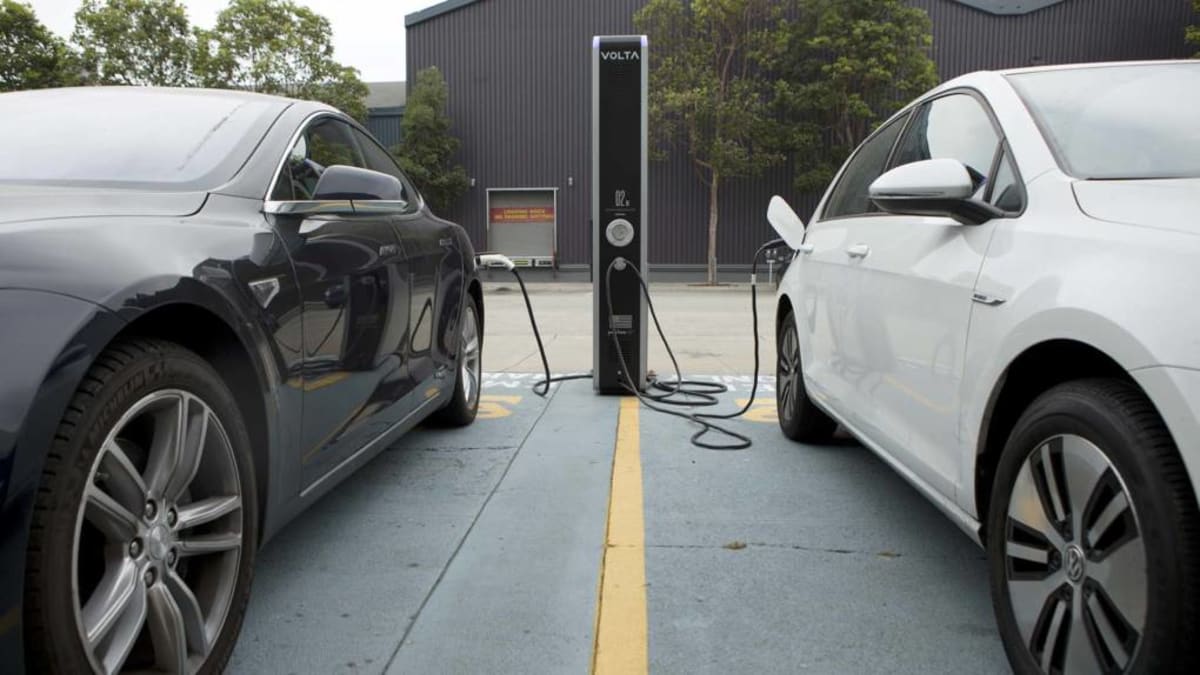
The Massachusetts Clean Energy Center just announced a groundbreaking program that gives away bi-directional chargers to schools, towns, and residents across the state. These aren't ordinary chargers. They let electric vehicles both charge up and send power back to buildings or the electric grid.
Think of it like turning every EV into a mobile power bank. During a blackout, your electric school bus or car becomes emergency backup power. On the hottest summer day when everyone cranks their AC, participating vehicles can feed electricity back to help the grid handle the load.
Five school districts are joining the pilot, including Boston, Arlington, and Concord. Four towns signed up too, along with 30 individual Massachusetts residents. All of them get the chargers and installation completely free, removing the biggest barrier to trying the technology.
The timing matters because grid strain is real. When everyone needs power at once, utilities often fire up expensive backup plants or risk brownouts. This program tests whether parked EVs can step in instead.
Massachusetts Energy Secretary Rebecca Tepper calls it the future of the electrical grid. The pilot expects to deliver more than 1 megawatt back to the grid during peak demand events. That's enough to offset the power used by about 300 homes for an hour.
The Ripple Effect
The best part? Participants can actually make money from this. The state will help EV owners enroll in utility programs that pay them for sending power back during peak periods. Your car literally earns its keep while sitting in the parking lot.
More than a third of the funding goes to environmental justice communities, ensuring the benefits reach neighborhoods that need them most. Installation wraps up by summer 2026, with data collection running through the year.
The state plans to publish a complete V2X guidebook in late 2026. It'll cover everything from system design to costs to regulatory hurdles, giving other communities a roadmap to copy the program. What starts in Massachusetts classrooms and driveways could spread nationwide.
One small state is proving that the cleanest backup power might already be parked in your driveway.
More Images




Based on reporting by Google News - Electric Vehicle
This story was written by BrightWire based on verified news reports.
Spread the positivity!
Share this good news with someone who needs it