Massachusetts Meal Program Cuts Hospital Visits by 31%
Sending healthy meals to Medicaid patients with chronic conditions slashed emergency visits and nearly paid for itself through healthcare savings. Thirteen states are now following Massachusetts' lead.
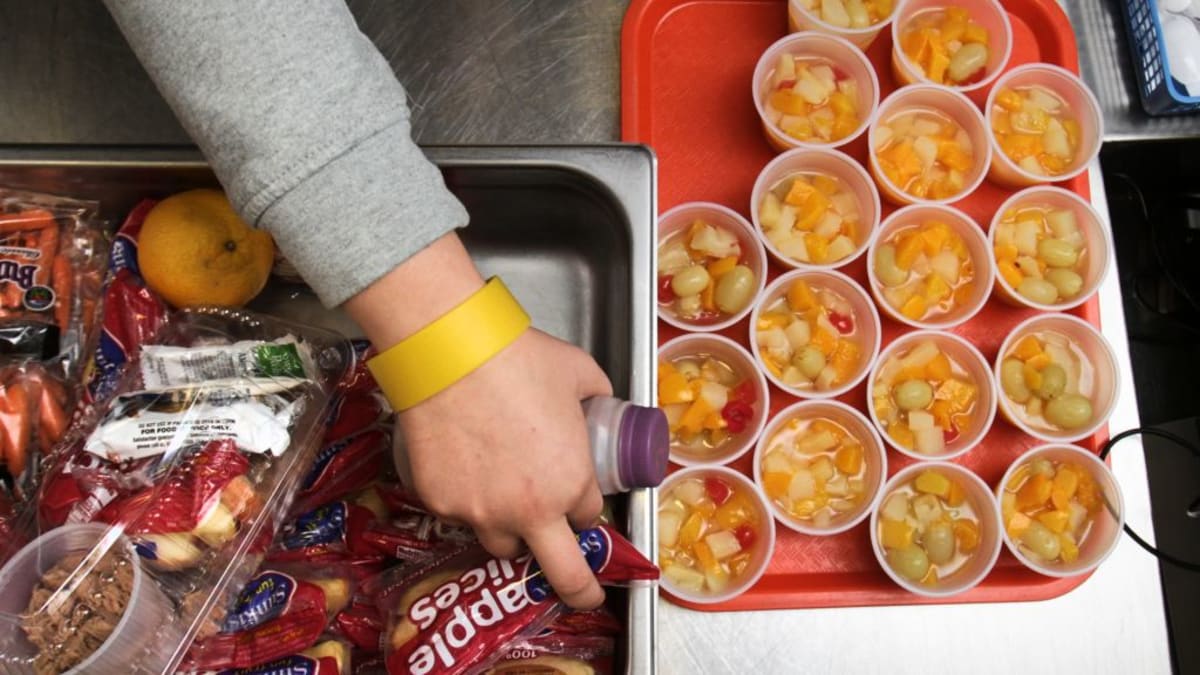
Getting the right food delivered to your doorstep might be just as powerful as some medications, according to a groundbreaking study from Massachusetts.
Researchers studied a state program that sent medically tailored meals to Medicaid patients with conditions like diabetes, heart failure, and chronic kidney disease. The results were stunning: participants had 31% fewer hospitalizations and 20% fewer emergency room visits compared to similar patients who didn't receive meals.
The program matched more than 1,800 participants with nearly 1,400 eligible people who didn't get the meals. Everyone who joined received healthy, condition-specific food for at least three months, with most getting deliveries for six months.
Here's where it gets even better: the healthcare savings nearly covered the entire cost of the program. Each person's meals cost about $3,500, but their reduced hospital and emergency care expenses saved $3,433. That means providing nutritious, targeted meals essentially paid for itself while dramatically improving people's health.
The Ripple Effect
Massachusetts isn't alone anymore. Thirteen states have now taken steps to launch their own food as medicine programs, inspired by results like these. The concept is simple but powerful: preventing health emergencies is cheaper and better than treating them after they happen.
The study, published today in Nature Medicine, adds scientific weight to what many healthcare experts have suspected. When people with diet-sensitive conditions get consistent access to the right foods, their bodies respond. Fewer blood sugar spikes for diabetics. Less fluid buildup for heart failure patients. Steadier kidney function for those with chronic kidney disease.
The timing couldn't be more relevant as federal health leaders explore similar nationwide initiatives. The Massachusetts data proves that investing in nutrition doesn't just help people feel better. It actually reduces the burden on emergency rooms and hospitals while improving quality of life for some of the most vulnerable patients.
The researchers emphasize these results need testing in more contexts and states. But the Massachusetts pilot offers compelling evidence that the pharmacy of the future might include both prescriptions and produce.
Food as medicine isn't just a feel-good idea anymore—it's becoming a practical, cost-effective healthcare strategy that helps people stay healthy at home instead of sick in the hospital.
More Images


Based on reporting by STAT News
This story was written by BrightWire based on verified news reports.
Spread the positivity!
Share this good news with someone who needs it