
Mayo Clinic Uses 150 AI Tools to Save Doctor Time
Mayo Clinic now uses 150 AI models to help doctors spend less time on paperwork and more time with patients. One tool saves physicians up to 30 minutes per patient visit by organizing complex medical records.
Doctors at Mayo Clinic are getting their time back, thanks to artificial intelligence that does the tedious work they used to do by hand.
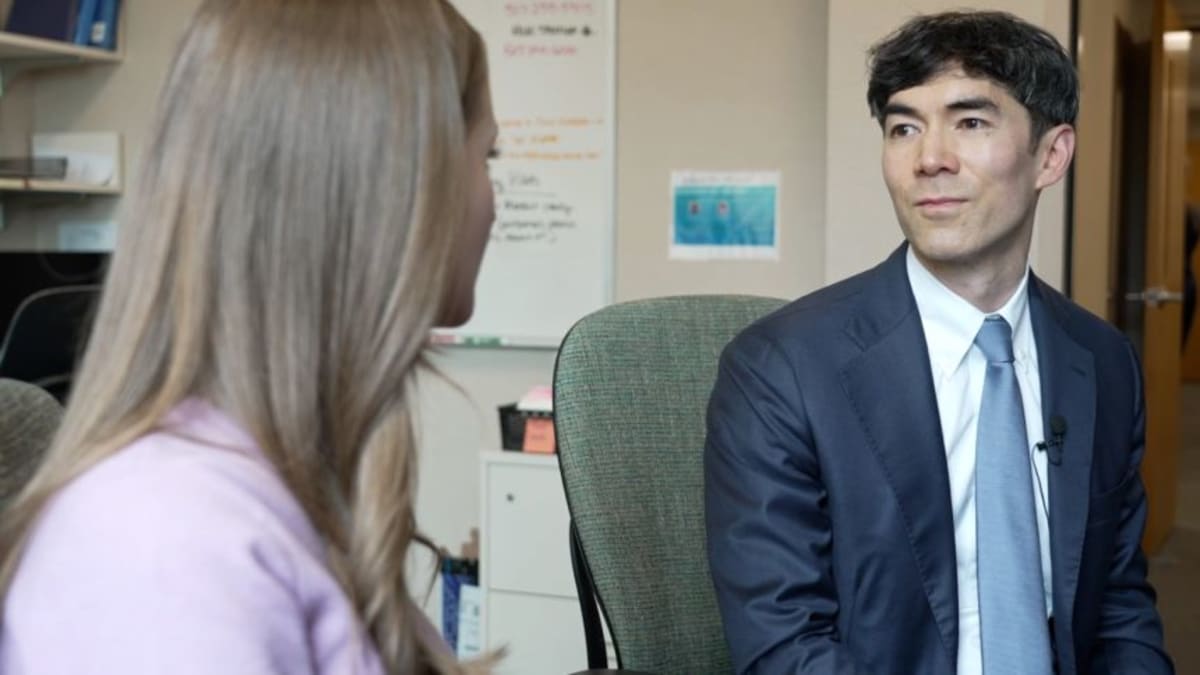
Dr. Alexander Ryu used to spend up to 30 minutes before each appointment sorting through hundreds of pages of medical records. Patients arriving at the renowned Minnesota hospital often bring messy stacks of documents from multiple doctors and health systems.
Now an AI tool called Record Time reads through those records in seconds. It creates patient summaries, organizes documents by date, and makes everything searchable.
The time Ryu saves goes straight back to patients. Instead of buried in paperwork, he can focus on the person sitting across from him.
Mayo Clinic processes tens of millions of pages of medical records every year. Important details that could change treatment plans were sometimes hidden in the pile.
The hospital now runs about 150 different AI models across its system. They partner with companies like Microsoft and Scale AI to turn decades of patient data and research into useful tools.
Some applications could save lives. Mayo Clinic is testing AI that spots early warning signs of pancreatic cancer in imaging scans, potentially catching the disease years earlier than usual.
Right now, most pancreatic cancer isn't found until it has spread. At that stage, only 9% of patients survive five years. Earlier detection could transform those odds.
Another AI tool analyzes heart rhythms to predict who might develop atrial fibrillation before it happens. That condition causes blood clots and strokes, but catching it early makes treatment much more effective.
The Ripple Effect
The real power of AI in medicine comes from pattern recognition across massive amounts of data. What might take a human doctor hours to spot, AI can flag in minutes.
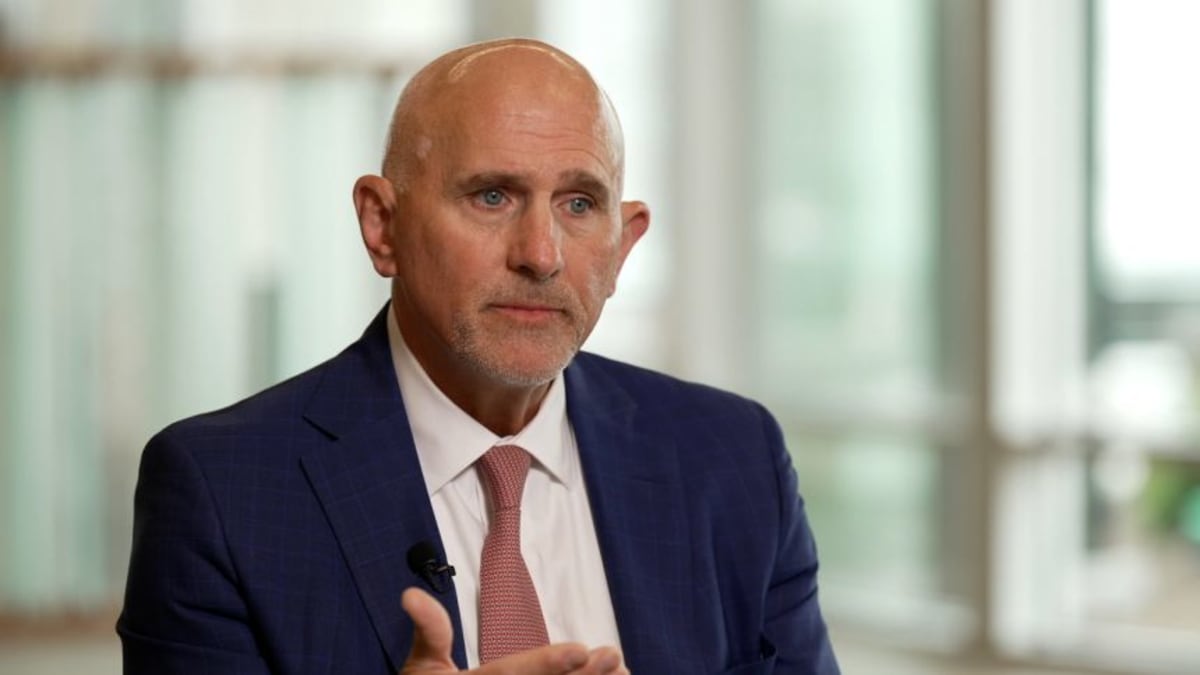
Dr. Matthew Callstrom, who leads Mayo's AI program, says the technology handles tedious work so specialized doctors can focus on complex thinking. That means more accurate diagnoses delivered faster, helping more people.
Mayo Clinic tests its AI tools the same way it tests new treatments. Small patient groups first, with doctor oversight, measuring performance before expanding. Even after full rollout, they keep monitoring accuracy.
Doctors remain skeptical by nature, Callstrom notes. They can choose whether to use new AI tools, and adoption rates show what's actually working.
Scale AI CEO Jason Droege says healthcare is perfect for AI because so much of medicine relies on recognizing patterns. The technology excels at finding trends humans might miss.
The hospital is using AI to free up time, catch diseases earlier, and help doctors make better decisions with the information they already have.
More Images


Based on reporting by Egypt Independent
This story was written by BrightWire based on verified news reports.
Spread the positivity!
Share this good news with someone who needs it