Singapore Hospital Smartwatches Cut Nurse Check Time 75%
Singapore's National University Hospital is rolling out smartwatches that monitor patients continuously while they sleep, detecting health problems up to two hours earlier than traditional checks. The technology cuts vital sign monitoring time from two minutes to 40 seconds per patient.
Imagine recovering from surgery and actually getting to sleep through the night while doctors still track every heartbeat. That's now reality at Singapore's National University Hospital.
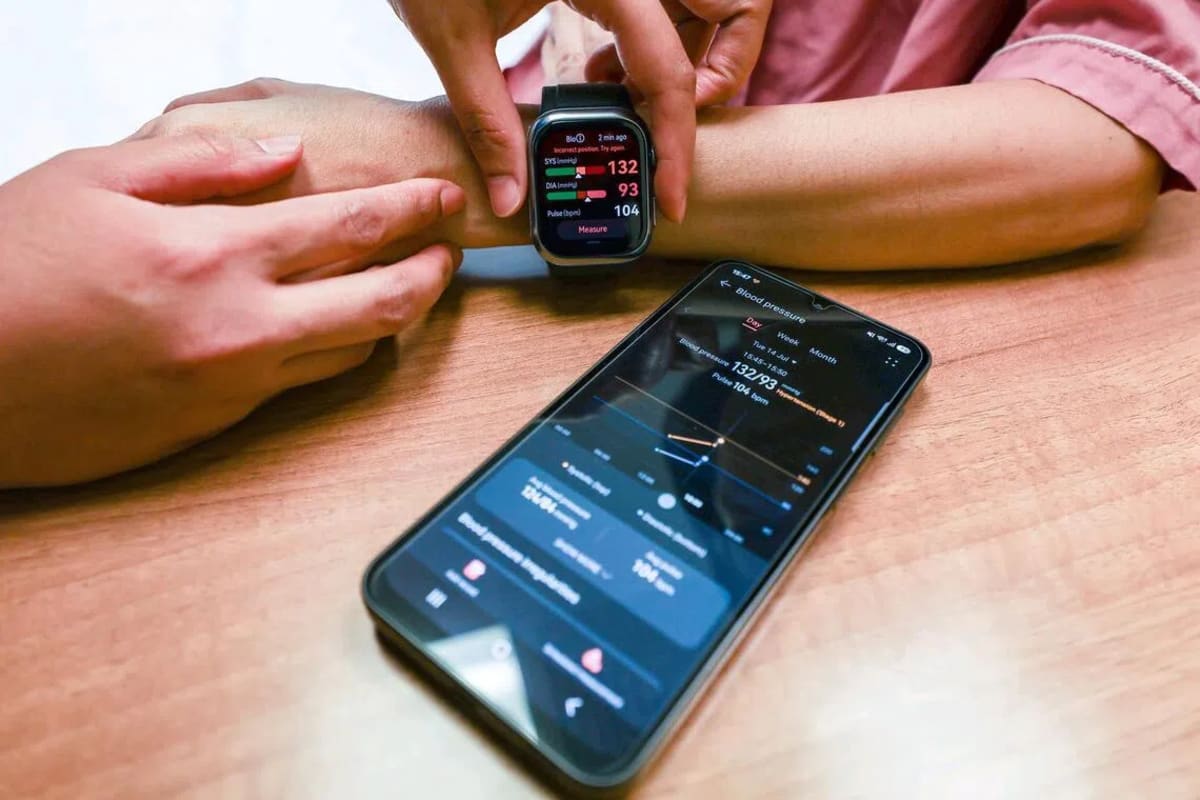
The hospital just completed a successful trial of medical-grade smartwatches that continuously monitor patients' blood pressure, heart rate, and oxygen levels without waking them up. The devices detected 18 abnormal vital signs during the June trial and spotted problems up to two hours earlier than nurses doing manual checks every hour.
The technology uses tiny airbags similar to regular blood pressure monitors, all built into a watch patients wear on their wrist. Data automatically feeds into the hospital's electronic medical records system, cutting documentation time from two minutes per check to just 40 seconds.
For 50-year-old Ho Mei Guat, who wore a smartwatch after colon tumor surgery, the difference was dramatic. "I wasn't being woken up every hour by the nurses," she said, comparing it to a previous hospital stay a decade ago when she fractured her ankle.
The benefits extend beyond better sleep. Dr. Lim Tian Zhi, an associate consultant in NUH's surgery department, explained that freeing nurses from repetitive vital sign checks gives them more time for complex patient care that requires human attention and expertise.
Nurse manager Lim Pooi See noted another unexpected benefit: reduced infection risk. Since patients wear their own smartwatch instead of sharing blood pressure cuffs and monitors with other patients, there's less chance of spreading germs between rooms.
The Ripple Effect
NUH plans to expand smartwatch monitoring to 10 percent of all inpatient care over the next year, starting with surgical patients before rolling out to other departments. The hospital used Health Sciences Authority-approved Huawei smartwatches, which European and Chinese regulators also recognize as medical devices.
The technology represents a shift in how hospitals think about patient monitoring. Instead of choosing between constant observation and patient rest, they can now have both. Patients sleep better, nurses spend more time on meaningful care, and early warning signs get caught faster.
Dr. Asim Shabbir, head of NUH's surgery department, emphasized that patient safety remains the top priority as they expand the program. Nurses still verify any abnormal readings using traditional bedside equipment before taking action.
Sleep is crucial for healing, yet hospitals have long struggled with the paradox of needing to wake patients regularly to check if they're okay. This simple technological solution addresses that problem while making healthcare workers' jobs easier and catching complications sooner.
More Images




Based on reporting by Google News - Singapore Technology
This story was written by BrightWire based on verified news reports.
Spread the positivity!
Share this good news with someone who needs it