Singapore Hospital Smartwatches Spot Problems 2 Hours Early
A Singapore hospital successfully tested smartwatches that detected patient health changes two hours before traditional monitoring, leading to expansion across 10% of suitable patients. The technology lets nurses focus more time on care requiring human judgment while keeping recovering patients safer.
Imagine recovering from surgery and getting better rest while your medical team still catches warning signs earlier than ever before.
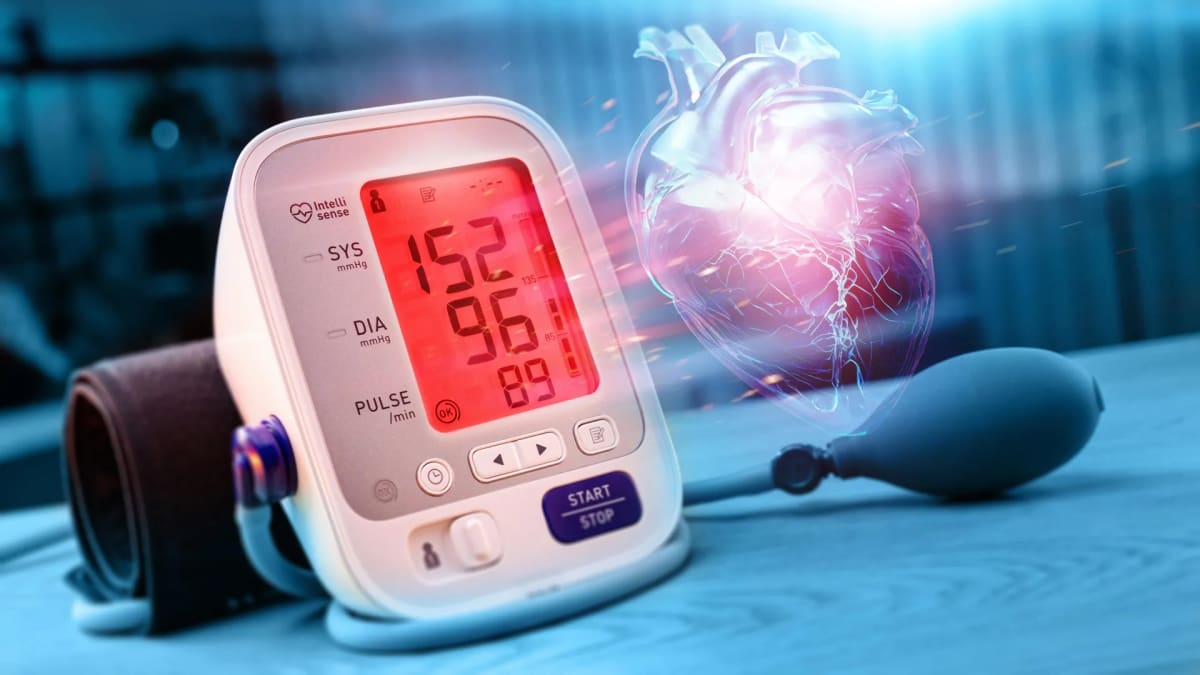
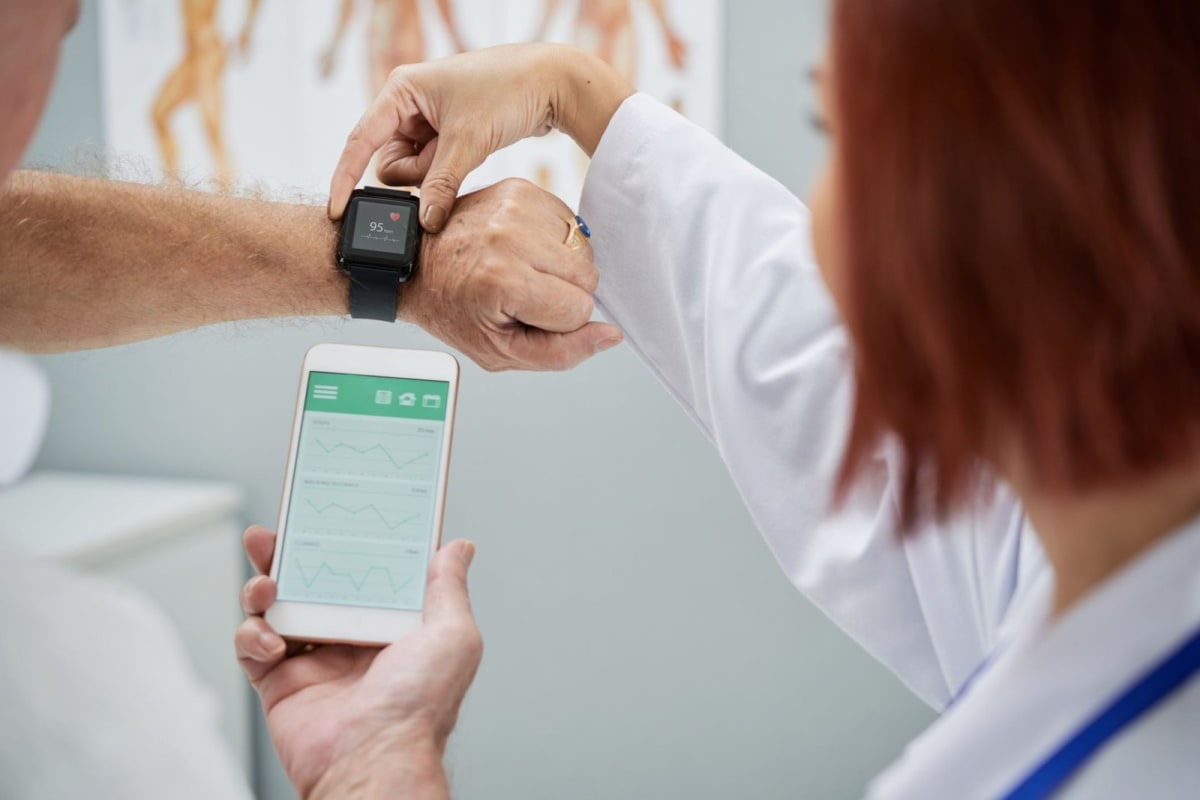
Singapore's National University Hospital just wrapped up a pilot program that did exactly that. Patients wore smartwatches that continuously tracked their blood pressure, pulse, and oxygen levels after surgery throughout June 2026.
The results surprised even the research team. The wearable devices spotted changes in vital signs up to two hours before nurses would have discovered them during routine manual checks.
That early warning window gives doctors and nurses crucial extra time to respond before a patient's condition worsens. It also means fewer middle-of-the-night check-ins waking patients who need uninterrupted rest to heal.
The pilot involved a partnership between NUH's Department of Surgery, surgical ward nurses, and researchers from the National University of Singapore's medical school. Every smartwatch used had approval from Singapore's Health Sciences Authority, ensuring medical-grade accuracy.
Now NUH plans to expand the program significantly. Over the next year, the hospital aims to have up to 10 percent of suitable inpatient monitoring supported by wearable technology.
The Ripple Effect
The benefits extend far beyond just earlier detection. Nurses who previously spent hours doing manual vital sign checks every few hours can now dedicate that time to aspects of patient care that truly require their clinical expertise and human touch.
Patients experience less disruption to their recovery. Instead of being woken repeatedly for blood pressure cuffs and thermometer readings, they can rest while their smartwatch keeps continuous watch.
The technology creates a win for hospital efficiency too. Continuous monitoring means resources get directed where they're needed most, while stable patients recover with less intervention.
As the program grows, NUH will carefully evaluate which other patient groups might benefit from wearable monitoring. The hospital is taking a measured approach, ensuring safety and effectiveness guide every expansion decision.
This pilot represents Singapore's latest step in thoughtfully integrating technology into healthcare where it genuinely improves outcomes, proving that innovation and compassionate care can work hand in hand.
Based on reporting by Google News - Singapore Technology
This story was written by BrightWire based on verified news reports.
Spread the positivity!
Share this good news with someone who needs it