Massachusetts Tests EVs That Power Homes During Heat Waves
Electric vehicles are getting a superpower that could lower everyone's electricity bills. A new Massachusetts program pays EV owners to send energy back to the grid when demand spikes.
Your electric car might soon help cool your neighbor's home during a heat wave while earning you cash.
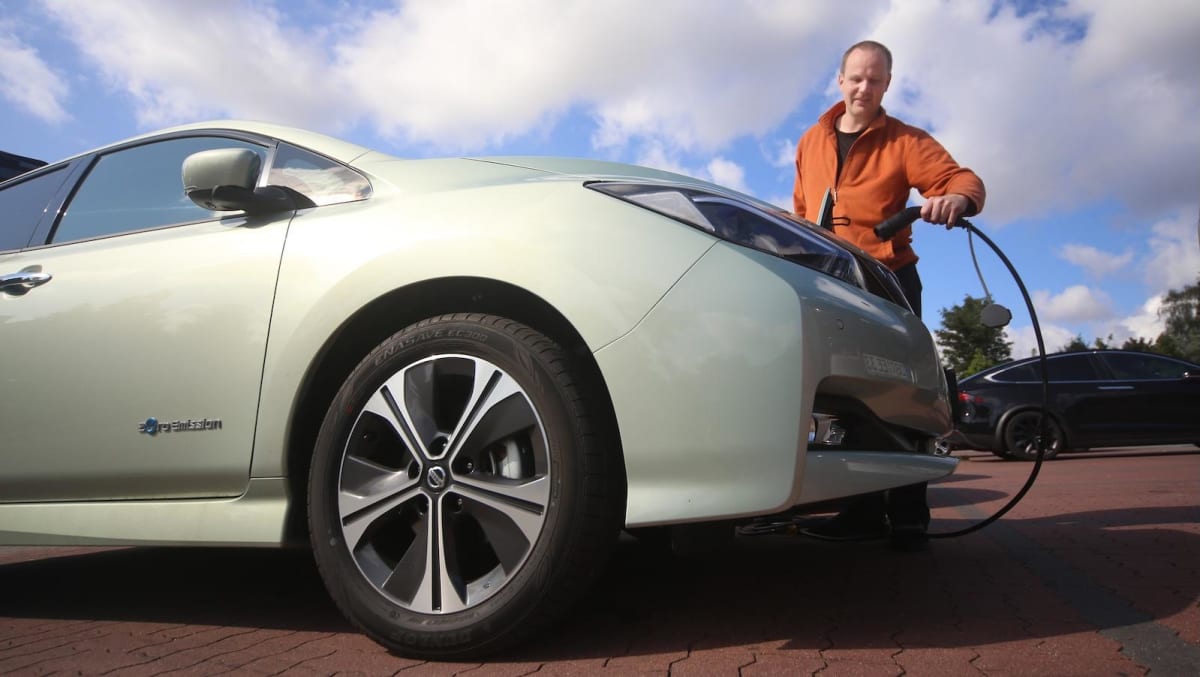
A coalition of energy companies just launched a groundbreaking program in Massachusetts that lets electric vehicles send power back to the grid during peak demand times. Instead of just sitting in driveways, EVs become mini power plants that utilities can tap into when everyone cranks up their air conditioning.
Here's how it works. Participants plug into an existing program called ConnectedSolutions, which already helps homes run off residential batteries. When the grid gets stressed during extreme weather, EV batteries kick in to help meet demand. Owners get paid for their contribution, just like homeowners who sell solar energy back to utilities.
"It's really kind of a small number of hours per year that you're discharging the battery," said Russell Vare from the Mobility House, a charging infrastructure provider. The system only activates during those critical peak times, not daily.
The timing couldn't be better. Utilities are facing a perfect storm of challenges right now. Electricity demand is surging as more data centers come online and people switch to EVs and heat pumps. Meanwhile, utilities are replacing coal and gas with solar and wind, which don't generate power around the clock.
Americans are already seeing skyrocketing energy bills as utilities bury power lines to prevent wildfires and upgrade aging infrastructure. Building massive battery facilities and new transmission lines would add even more costs.
The Bright Side
This is where vehicle-to-grid technology shines. Instead of utilities spending billions on new battery storage facilities, they can tap into batteries that already exist in driveways across America. A typical EV battery holds six times more energy than a home backup unit.
"It's the cheapest cost of flexible energy storage that will be available for the grid," Vare explained. The hardware is already there, sitting idle 95% of the time anyway.
The math gets even better when you zoom out. Only a fraction of EV owners need to participate for the system to work. When thousands of vehicles pool their power together, each individual battery barely gets used, but the collective impact is massive.
"If you have a higher number of batteries out there in a virtual power plant, you can actually use less energy from each individual battery," said Chip Silverman from Sunrun, a solar and battery company. "But collectively, when you patch them all together and aggregate them, it comes out to a very large resource."
School buses and municipal fleets are especially valuable because they follow predictable schedules and have enormous batteries. As more EV models come equipped with bidirectional charging hardware and installation costs drop, the technology will become accessible to millions more drivers.
The Massachusetts pilot is teaching utilities how to coordinate this through apps that let owners specify when they need their vehicles. The goal is simple: EVs send power back during evening peak demand, then recharge overnight when electricity is cheaper and cleaner.
Massachusetts is proving that the batteries we need for a reliable, affordable grid are already rolling off assembly lines.
More Images



Based on reporting by Google News - Electric Vehicle
This story was written by BrightWire based on verified news reports.
Spread the positivity!
Share this good news with someone who needs it