Mastercard Cuts Emissions 46% While Growing Revenue 16%
A major financial company just proved that businesses don't have to choose between profits and the planet. Mastercard slashed its carbon footprint nearly in half while growing revenue, showing a blueprint for climate action that works.
For years, companies claimed they couldn't protect the environment without hurting their bottom line. Mastercard just shattered that excuse by cutting total greenhouse gas emissions 46% since 2016 while growing net revenue 16% over the same period.
The financial giant exceeded its 2025 climate targets and recorded its third consecutive year of emissions reductions. In 2025 alone, the company cut another 1% off its carbon footprint while continuing to expand its business operations worldwide.
"Decoupling emissions from growth is possible," wrote Ellen Jackowski, Mastercard's Chief Sustainability Officer. The results matter because investors increasingly demand proof, not just promises, when it comes to climate commitments.
Mastercard's biggest challenge wasn't what you'd expect. The company's own offices and facilities account for just 25% of total emissions, while suppliers contribute the other 75%. Data centers alone produce 61% of direct emissions, making technology choices critical.
The company got creative with solutions. Engineers developed a patent-pending Sustainability Score that measures the environmental impact of every technology product before it goes live. The system tracks electricity use, server efficiency, and hardware lifespan to spot improvements early.
Thousands of Mastercard engineers now follow guidelines from the Green Software Foundation, designing applications that use less computing power and electricity from the start. Since 2024, the company has retired more than 3,700 underused servers and other hardware devices, with retirements nearly doubling in early 2026.
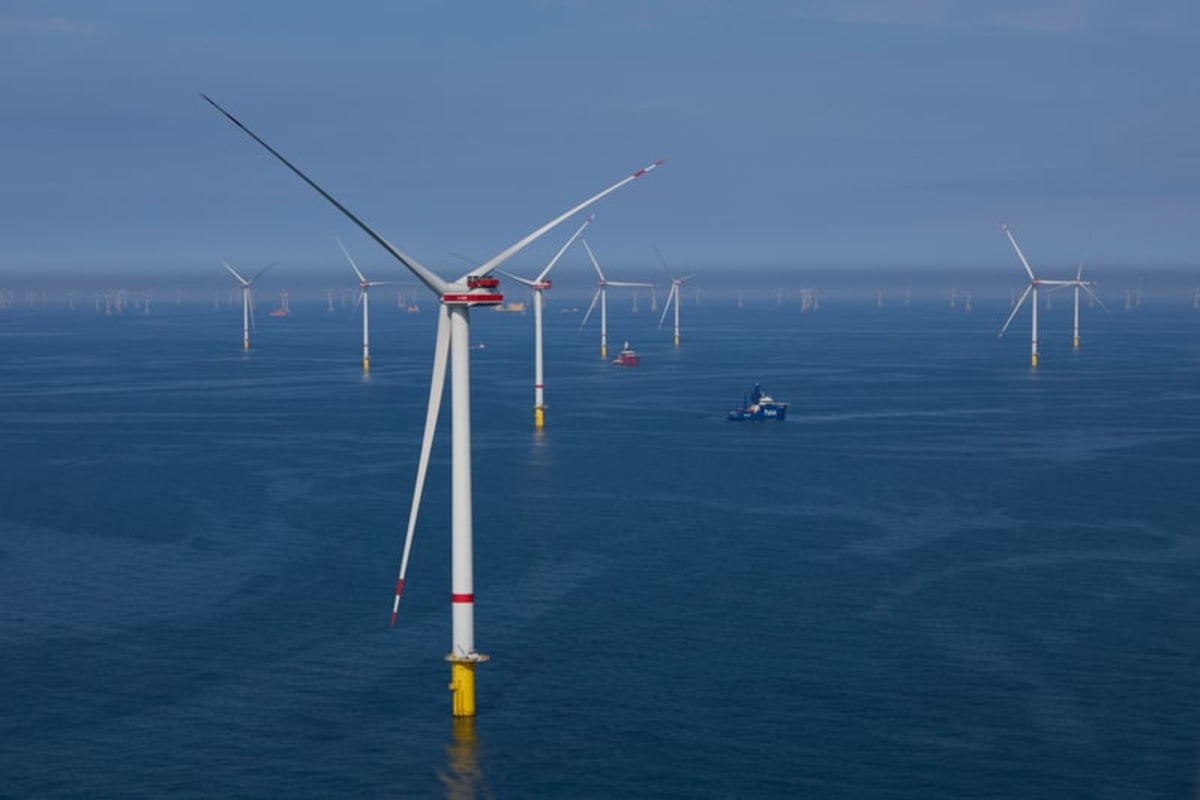
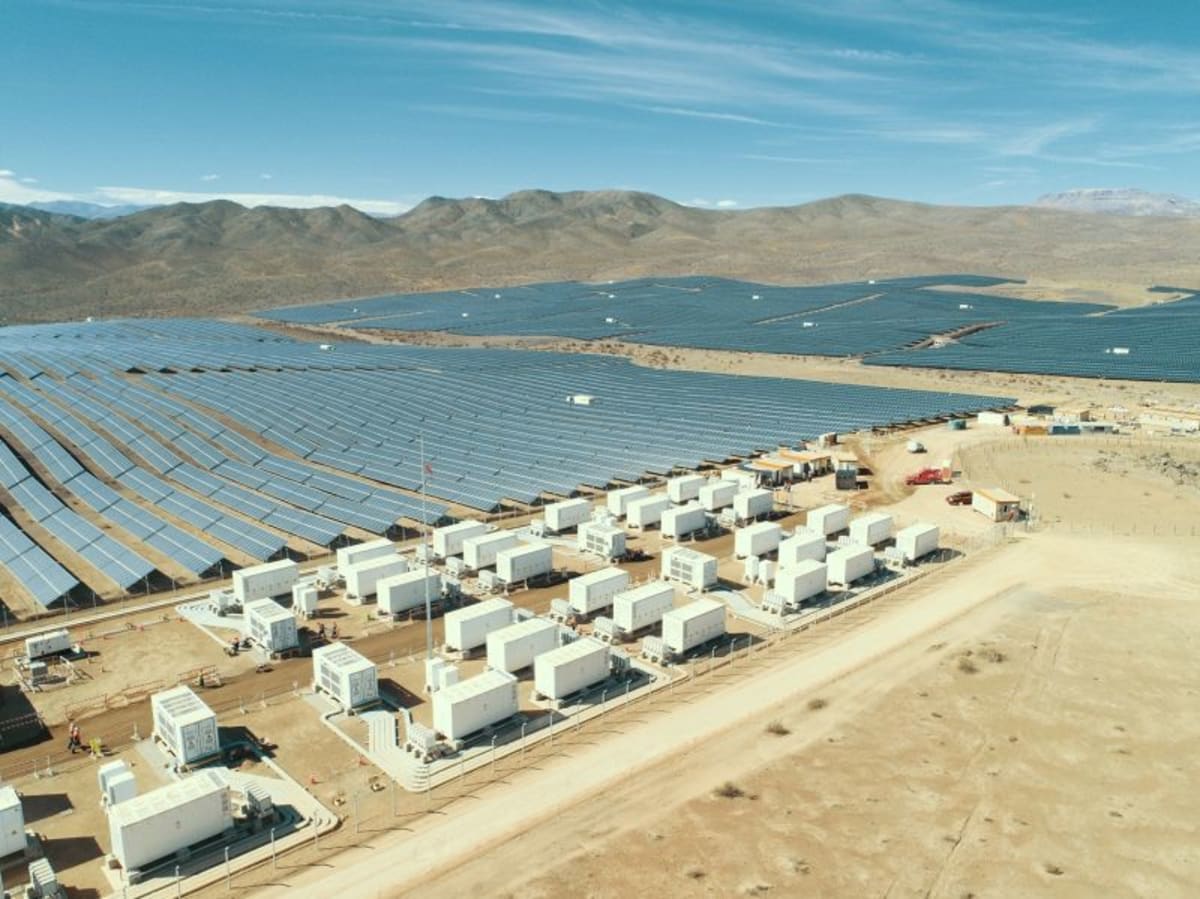
The renewable energy push made a real difference too. Mastercard bought or generated nearly 118,864 megawatt-hours of renewable electricity in 2025, enough to power all global operations while reducing fossil fuel dependence.
The company's net-zero target for 2040 has been validated by the Science Based Targets initiative and covers emissions across its entire value chain. That matters because many companies only count their direct emissions while ignoring the bigger impact from suppliers and partners.
The Ripple Effect
Mastercard's success sends a powerful signal across the corporate world at exactly the right time. More than 10,000 companies now have approved science-based emissions targets, and a record 24,800 disclosed environmental data in 2025, showing that climate action has moved from nice-to-have to business-critical.
The company's approach offers a practical roadmap for other businesses struggling with the same challenge. By focusing on technology efficiency, renewable energy, and supply chain engagement, Mastercard demonstrated that cutting emissions doesn't require sacrificing growth or innovation.
The path ahead isn't easy, especially with increasing demands for computing power and artificial intelligence capabilities. But Jackowski says the company is watching carefully and managing growth while staying on track toward net-zero goals.
What started as an ambitious climate commitment has become proof that the old trade-off between profits and planet protection was always a false choice.
Based on reporting by Google News - Emissions Reduction
This story was written by BrightWire based on verified news reports.
Spread the positivity!
Share this good news with someone who needs it