Mattel's Autistic Barbie Gets Thoughtful Design Details
Mattel partnered with autistic advocates to create a Barbie doll that represents autism through carefully chosen features like noise-canceling headphones and communication tools. The doll brings much-needed representation to a community rarely seen in mainstream toys.
When autistic researchers examined Mattel's new autistic Barbie, they found something refreshing: a toy company that actually listened to the autistic community.
Mattel worked directly with the Autistic Self Advocacy Network, an organization led by autistic people, to design a doll that reflects real experiences. The result is a Barbie that challenges how most people think about autism.
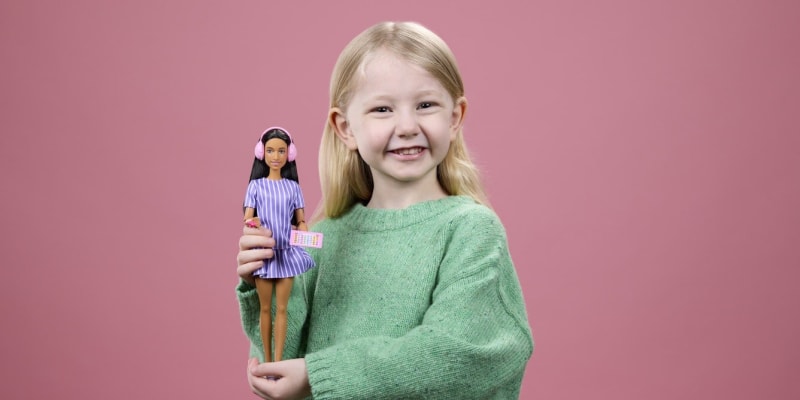
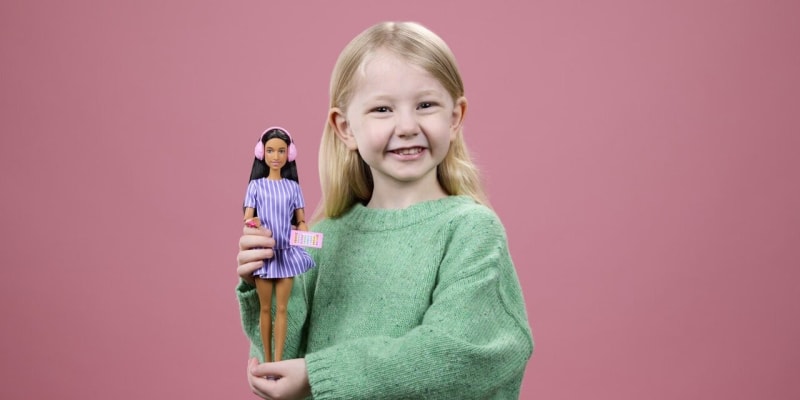
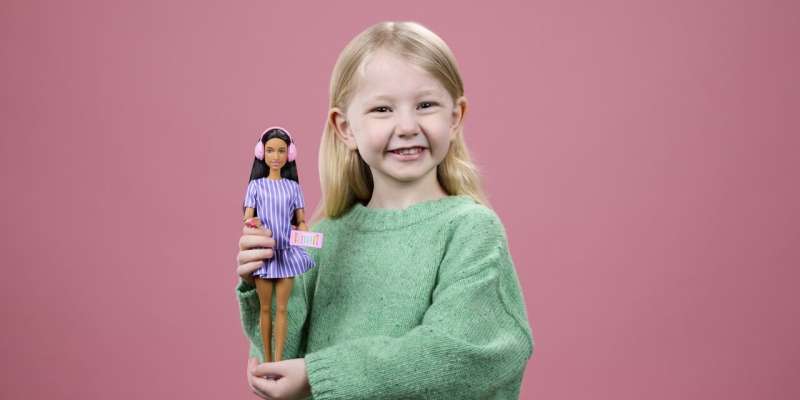
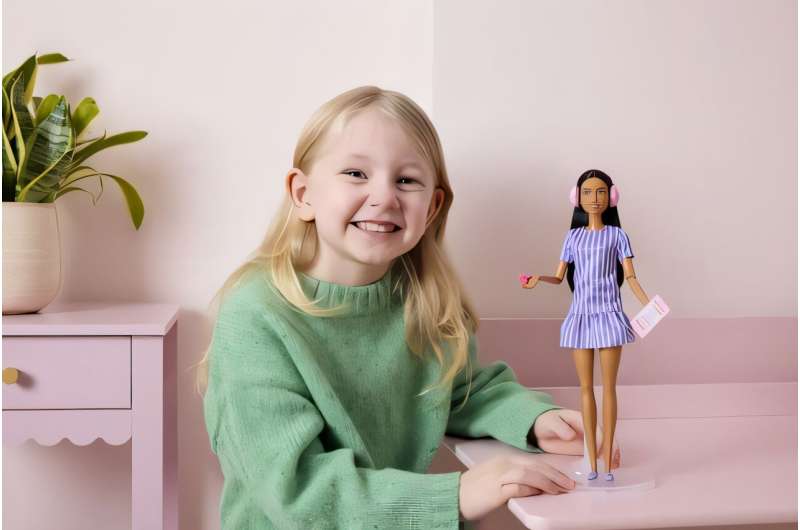
The doll comes with a tablet displaying an augmented and alternative communication app, representing the roughly one-third of autistic people who don't communicate by speaking. These digital tools help people express their needs and preferences when words don't come easily.
Noise-canceling headphones acknowledge that sensory sensitivities are a core part of autistic life. Many autistic people are sensitive to sounds, lights, smells, textures, and tastes, making ear protection essential in overwhelming environments.
Even Barbie's outfit received thoughtful consideration. The dress has no sewn-in labels that could cause irritation, and the loose, flowing fabric works for people with tactile hypersensitivity. She wears flat Mary Jane shoes instead of typical high heels, addressing the reality that many autistic people find rigid footwear uncomfortable.
The design team gave Barbie a sideways glance rather than direct eye contact, reflecting how many autistic people find eye contact uncomfortable. Her bendable elbows and wrists allow for stimming movements, the repetitive motions autistic people use to stay comfortable and regulated.
A small fidget spinner in Barbie's hand represents another common stimming tool. While not every autistic person uses fidget spinners, most engage in hand movements as part of their sensory regulation.
The Ripple Effect
Representation in mainstream toys matters more than many realize. Barbies reach millions of children worldwide, and seeing autism represented helps both autistic kids feel included and non-autistic kids understand their peers.
Autistic researchers note that no single doll can represent everyone in such a diverse community, especially when limited to visual elements. Some autistic people prefer tight clothing over loose, in-ear protection over headphones, or non-digital communication tools.
The doll also can't show that many autistic people are gender non-conforming or that autism looks different across different races and ethnicities. But as a starting point for visibility, the effort counts.
By involving autistic advocates from the beginning, Mattel demonstrated something simple yet powerful: nothing about autistic people should be created without autistic people.
More Images

Based on reporting by Medical Xpress
This story was written by BrightWire based on verified news reports.
Spread the positivity!
Share this good news with someone who needs it
%2Ffile%2Fattachments%2Forphans%2FAutism_750871.jpg)