May 6: Best Night to See Halley's Comet Meteor Shower
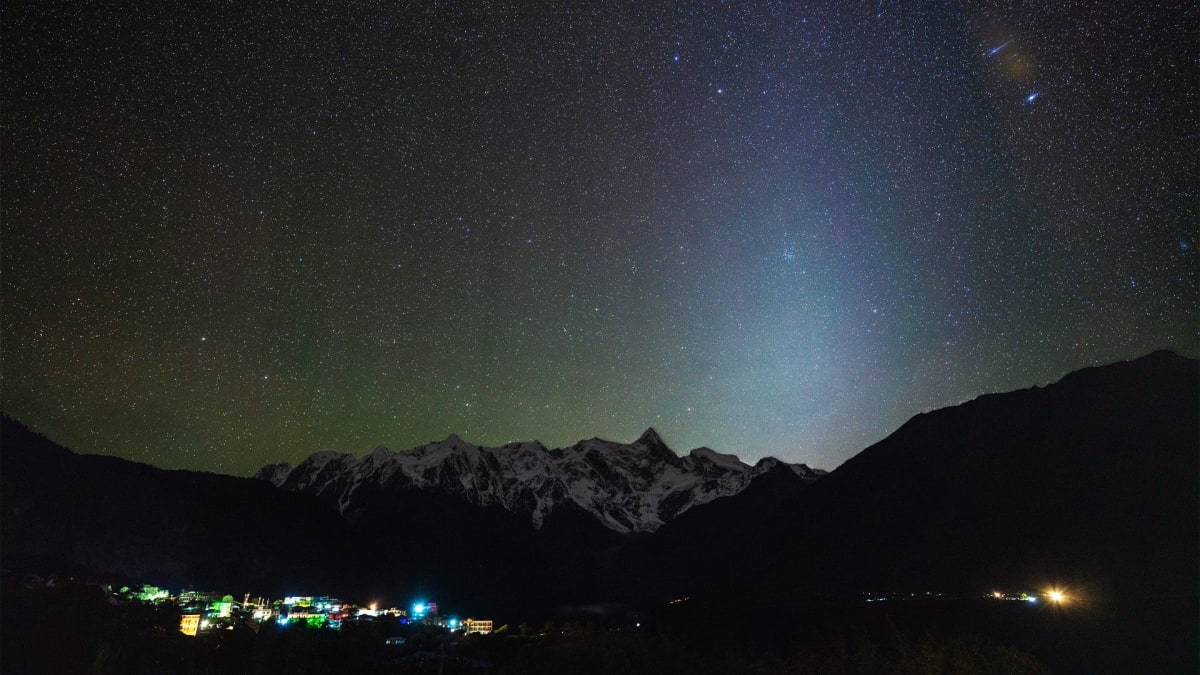
Stargazers across the globe will have a chance to witness shooting stars from the famous Halley's Comet during the first week of May. The Eta Aquarid meteor shower peaks overnight May 5-6, offering a celestial show that connects us to one of the universe's most iconic visitors.
This spring, the universe is putting on a free light show for anyone willing to wake up early and look up.
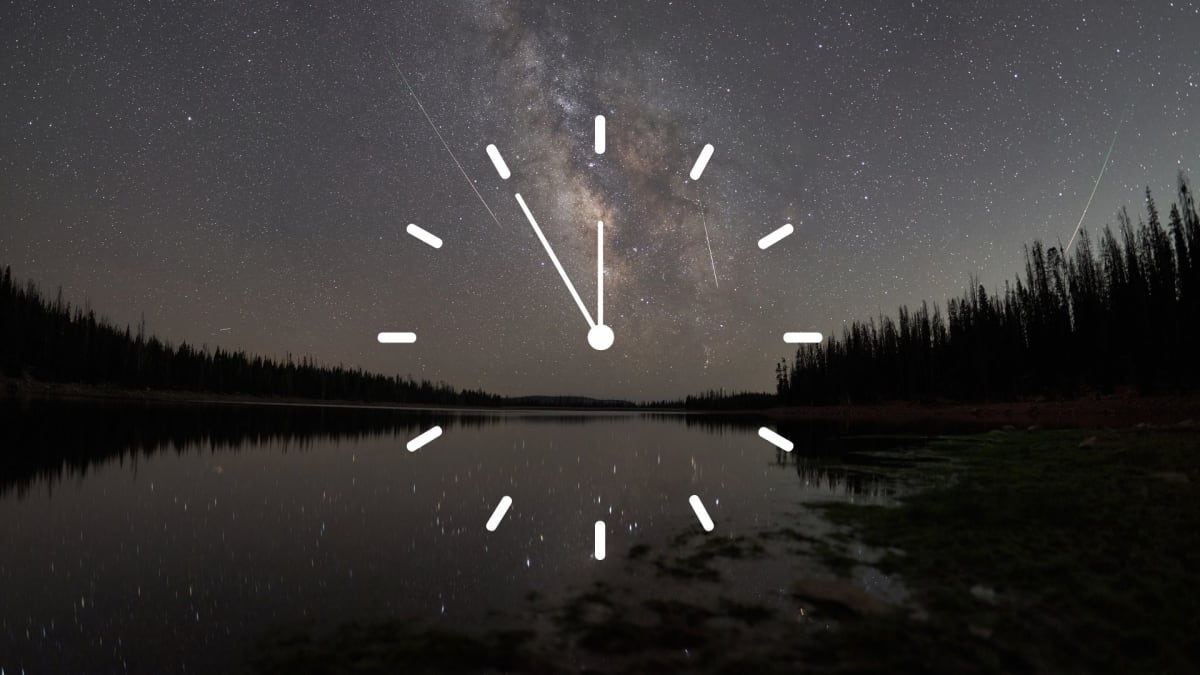
The Eta Aquarid meteor shower reaches its peak overnight on May 5-6, 2026, giving skywatchers around the world a chance to see shooting stars created by debris from Halley's Comet. Every time Earth passes through the trail of dust left behind by this famous comet, the particles burn up in our atmosphere and create streaks of light across the sky.
The best viewing time will be during the predawn hours of May 6, when the shower's radiant point rises highest in the sky. Viewers in the southern hemisphere tropics could see up to 50 meteors per hour under perfect conditions, while those in the northern hemisphere can expect to spot 10 to 30 shooting stars.
The shower stays active from April 19 through May 28, so there are plenty of opportunities to catch a glimpse even if the peak night doesn't work out. These meteors are known for leaving glowing trails in their wake, making them especially spectacular to watch.
Why This Inspires
There's something magical about watching ancient cosmic dust create light shows in our atmosphere. The particles burning up above us have been traveling through space for centuries, shed by Halley's Comet during one of its visits to our corner of the solar system.
You don't need expensive equipment or special training to experience this wonder. Just find a dark spot away from city lights, look toward the constellation Aquarius in the eastern sky a few hours after midnight, and give your eyes time to adjust. Astronomy apps like Stellarium can help you locate the right spot to watch.
The experience connects us to something larger than ourselves and reminds us that spectacular natural phenomena are still happening all around us, free for anyone to enjoy. In a world full of screens and artificial light, taking time to simply look up and witness the cosmos can feel like a small miracle.
The show runs for over a month, so there's no excuse to miss it.
More Images

Based on reporting by Space.com
This story was written by BrightWire based on verified news reports.
Spread the positivity!
Share this good news with someone who needs it