May's Flower Moon Rises May 1 with Rare Blue Moon to Follow
A spectacular full moon will grace May Day skies, offering stargazers across North America the perfect excuse to look up at dusk. Even better news: May delivers two full moons this year, making the second one a rare blue moon.
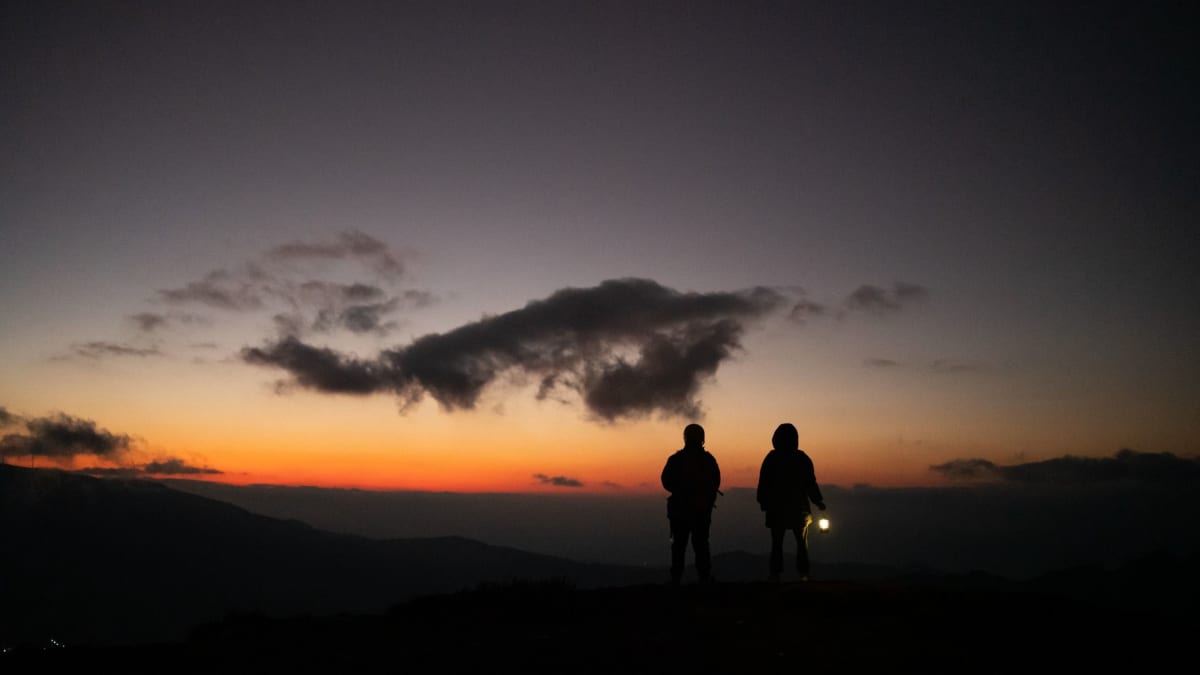
The full Flower Moon will light up the night sky on Friday, May 1, 2026, offering viewers a stunning celestial show right at the start of the month. Named for the spring blossoms bursting across North America, this moon marks the season of renewal and growth in the most visible way possible.
The moon reaches peak fullness at 1:24 p.m. EDT on May 1, but the real magic happens at dusk. In New York, moonrise occurs at 8:17 p.m., just 26 minutes after sunset, creating ideal conditions for viewing. Los Angeles gets similar timing at 8:04 p.m. PDT, while London sees the moon appear at 8:46 p.m. BST.
This timing creates what astronomers call the "moon illusion," making the moon appear dramatically larger when it first peeks above the eastern horizon. Your brain compares the moon to foreground objects like trees and buildings, creating an optical effect that makes it seem enormous even though its actual size hasn't changed.
The Flower Moon goes by other spring-inspired names too: the Budding Moon, Planting Moon, Egg Laying Moon, and Frog Moon. These traditional names reflect the natural world waking up after winter, reminding us that humans have been celebrating this lunar cycle for generations.
This year's May moon won't be a supermoon since it occurs near the moon's farthest point from Earth. But that doesn't diminish its beauty one bit, especially for anyone who finds an elevated spot or east-facing coastline to watch it rise.
Why This Inspires
May 2026 delivers something extra special: two full moons in one month. The second full moon on May 31 earns the title "blue moon," a relatively rare occurrence that happens only when the lunar calendar aligns just right with our calendar months. The 2026 calendar year contains 13 full moons total, including supermoons coming in November and December.
For stargazers, this double feature offers two chances to connect with the night sky and step away from daily stress. Whether you watch alone or gather friends and family, these moonrise moments create natural pause points in our busy lives.
The best viewing requires nothing more than clear skies and a view to the east. No special equipment needed, no tickets to buy, no crowds to navigate. Just step outside around sunset on May 1, look toward the eastern horizon, and enjoy a free show that connects you to countless generations who watched the same celestial dance.
This accessible wonder reminds us that some of nature's most beautiful moments are completely free and available to everyone who takes a moment to look up.
More Images

Based on reporting by Google News - Science
This story was written by BrightWire based on verified news reports.
Spread the positivity!
Share this good news with someone who needs it