May's New Moon Offers Peak Views of Milky Way, Planets
The May 16 new moon creates ideal dark skies for stargazers to explore the Milky Way's glowing core, spot Venus and Mars, and trace ancient constellations. Weekend sky watchers get a front-row seat to some of the year's best celestial views.
This weekend brings a rare astronomical gift: moonless nights perfect for witnessing the majesty of our galaxy and the dance of planets across the sky.
The new moon arrives on May 16 at 4:01 p.m. EDT, creating several nights of beautifully dark skies. Without moonlight washing out the stars, amateur astronomers and curious sky watchers can explore celestial wonders usually hidden in the lunar glow.
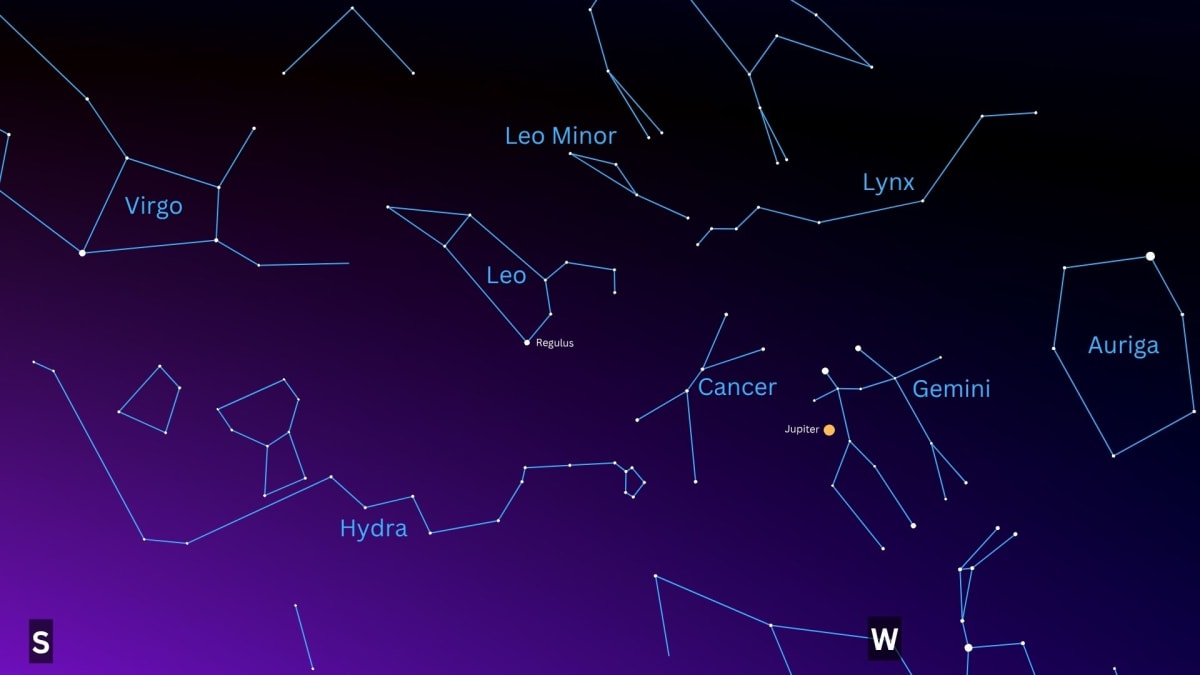
Venus kicks off the evening show, shining bright as the "evening star" about 20 degrees above the western horizon at sunset. Jupiter glows another 20 degrees to its upper left, and a simple pair of binoculars reveals its four largest moons orbiting the gas giant.
Early risers get an entirely different planetary performance. Saturn appears above the eastern horizon in the hour before dawn, with Mars rising to its lower left, both racing against the coming sunrise.
The spring constellations put on their own spectacular display. Leo the lion shines above the southwestern horizon, its mane and chest forming a distinctive sickle shape with the bright star Regulus at the bottom. Ancient Greek philosopher Ptolemy catalogued this constellation almost 2,000 years ago, seeing in it the mythological Nemean Lion.
Above Leo sits Leo Minor, the "little lion," and to its right stretches the serpentine constellation Lynx. These fainter formations become much easier to trace without the moon's glare obscuring their dimmer stars.
The Bright Side
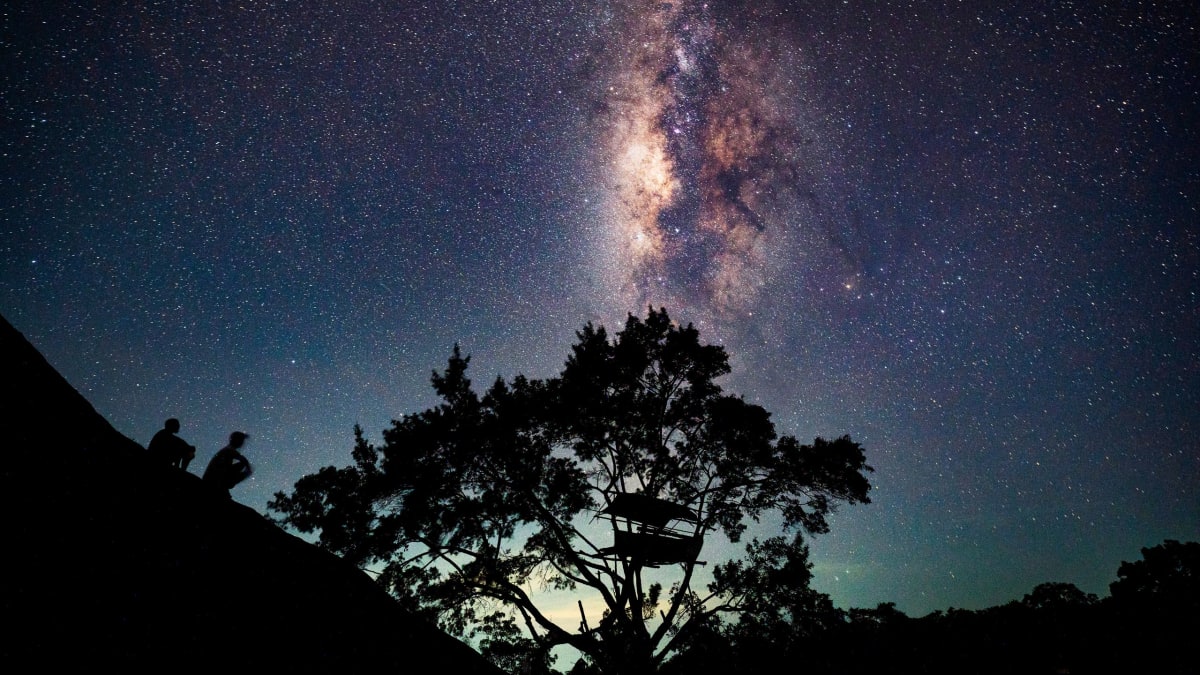
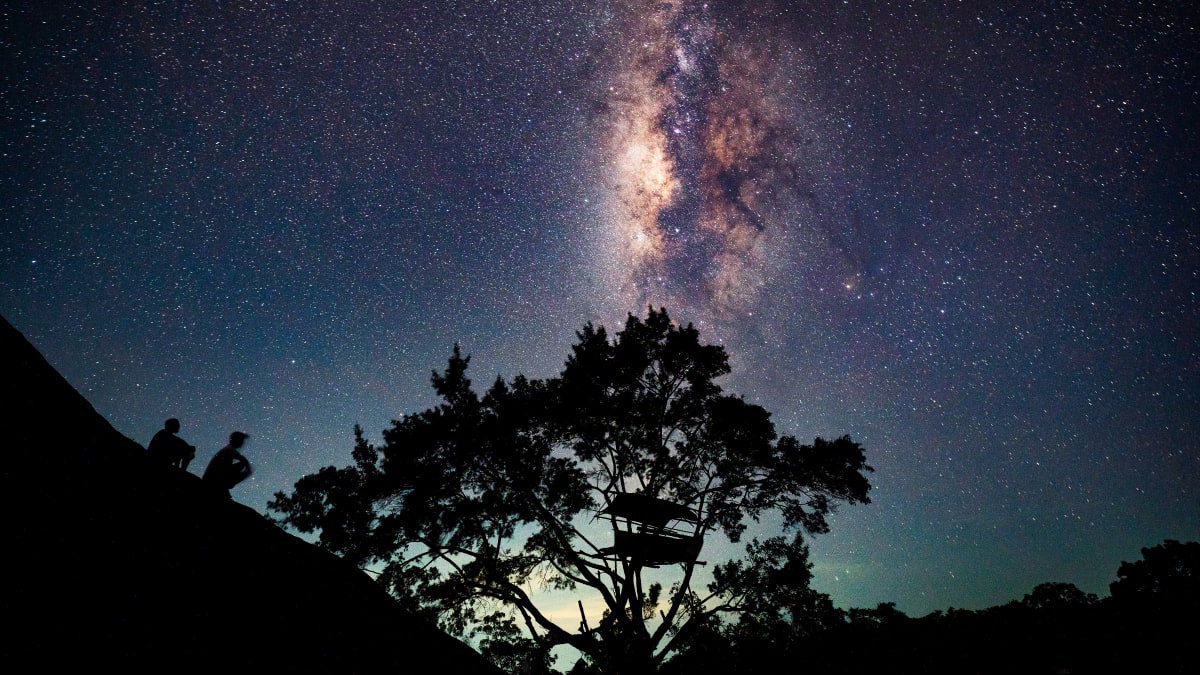
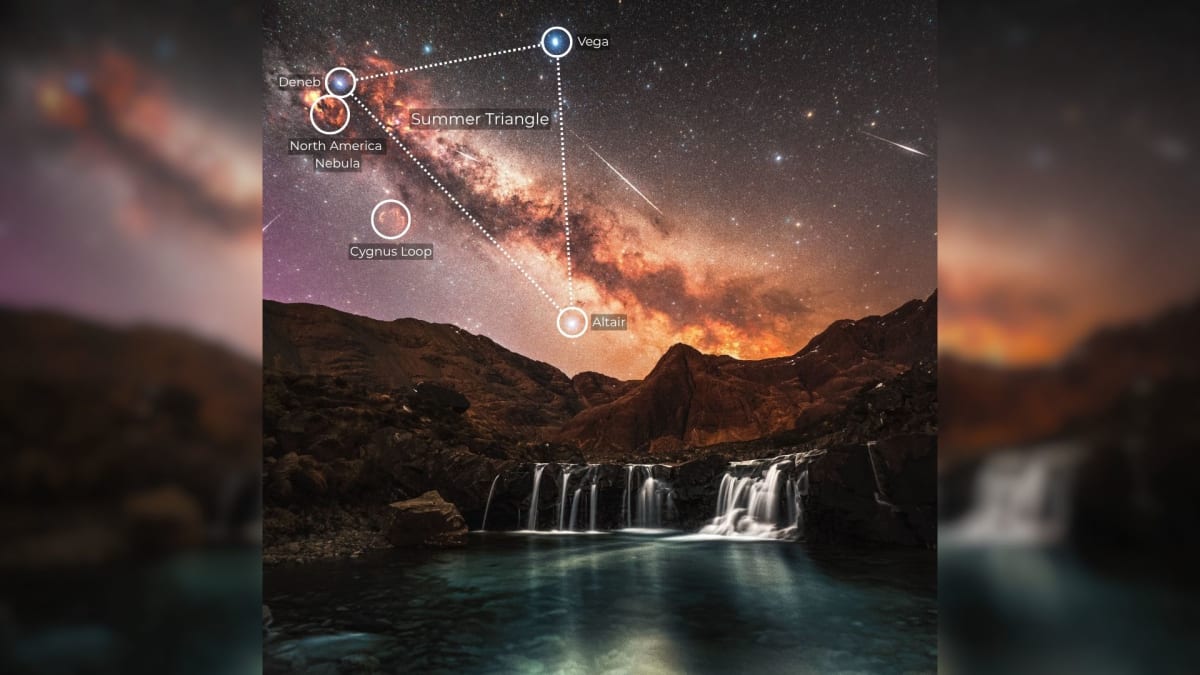
The real showstopper appears between midnight and dawn: the glowing core of the Milky Way arcing high over the southeastern horizon. Finding it is simple: look for three bright stars forming the Summer Triangle (Altair, Vega, and Deneb) above the eastern horizon, and the dense starfield of our galaxy's center appears as a glowing band passing through them.
This monthly pocket of darkness offers city dwellers a perfect excuse to escape light pollution. Websites like DarkSky.org help stargazers find ideal viewing locations, while smartphone apps like Stellarium guide them through the night sky's treasures.
The weekend's dark skies remind us that some of nature's most awe-inspiring shows require nothing more than looking up.
More Images

Based on reporting by Space.com
This story was written by BrightWire based on verified news reports.
Spread the positivity!
Share this good news with someone who needs it