Meditation and Psychedelics Show Same Brain Activity
A Tibetan lama with 54,000 hours of meditation experience showed identical brain patterns during deep meditation and a low dose of psychedelics. The discovery could help scientists understand consciousness and make meditation benefits more accessible.
A master meditator spent 15 years perfecting his practice, and scientists just discovered a surprising shortcut that creates the same brain state.
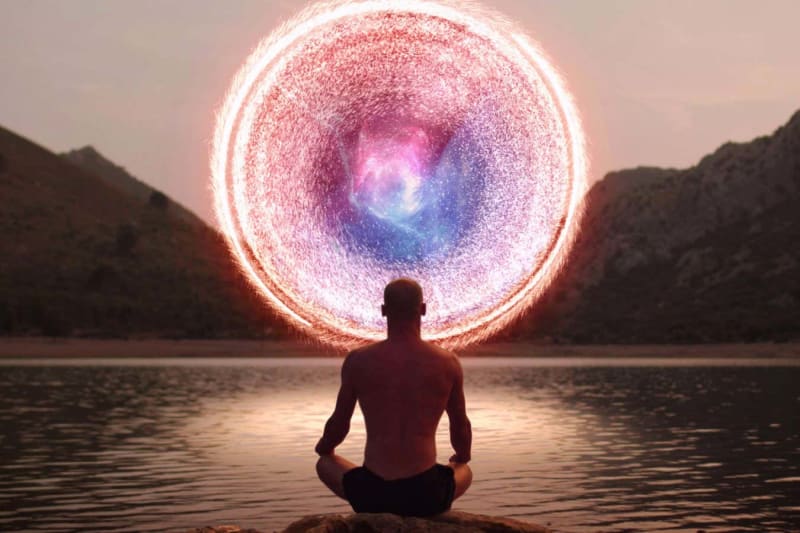
Researchers at University College London studied a Tibetan Buddhist lama who has meditated for more than 54,000 hours. They measured his brain activity during deep meditation, then compared it to his brain under the influence of 5-MeO-DMT, a powerful psychedelic compound.
The results stunned the team. A low dose of the psychedelic created nearly identical brain patterns to his advanced meditation practice.
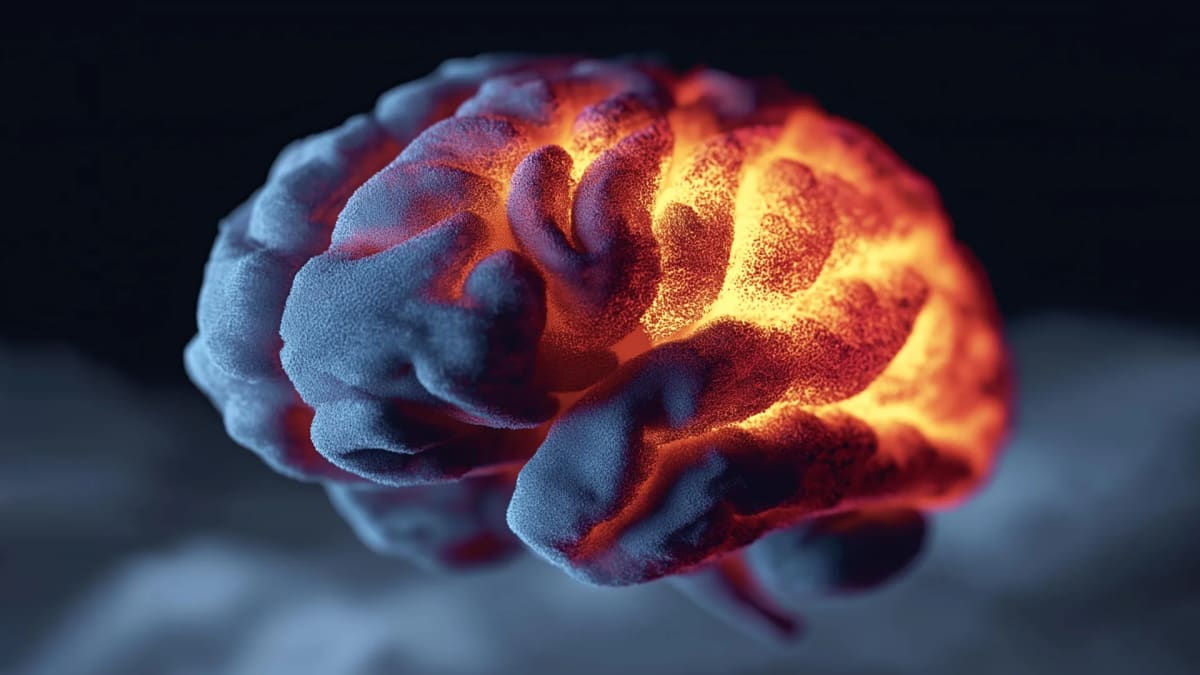
Both meditation and the low dose increased alpha waves, which signal relaxed awareness and internal focus. They also both reduced gamma activity, which relates to active thinking and memory processing. The lama described both experiences as creating a sense of calm where thoughts would "arise and immediately dissolve."
Christopher Timmermann, who led the study, says this overlap helps scientists understand how our brains create feelings of ego dissolution and awareness beyond our normal sense of self. The research adds to growing evidence that psychedelics could offer new paths to mental wellbeing.
The study did include a high dose test, which overwhelmed the lama's senses completely. He reported losing all awareness of his body and surroundings, experiencing only white light. That dose showed very different brain patterns, with increased rather than decreased activity.
The Bright Side
While the study focused on just one person, it opens exciting possibilities for science and wellbeing. Researchers are now exploring whether psychedelics could help beginning meditators develop their practice more quickly, though 5-MeO-DMT remains illegal for general use in many places.
Harvard researcher Matthew Sacchet points out an even more accessible takeaway. For people interested in the mental health benefits associated with psychedelics, meditation might offer a natural, legal path to similar brain states without any risk of side effects or addiction.
The findings bridge ancient spiritual practices with cutting-edge neuroscience, suggesting that whether through decades of practice or careful scientific application, humans have multiple paths to transformative states of consciousness.
This research proves what meditation masters have known for centuries: profound mental states are achievable through dedicated practice, and now science can see exactly how.
More Images




Based on reporting by New Scientist
This story was written by BrightWire based on verified news reports.
Spread the positivity!
Share this good news with someone who needs it