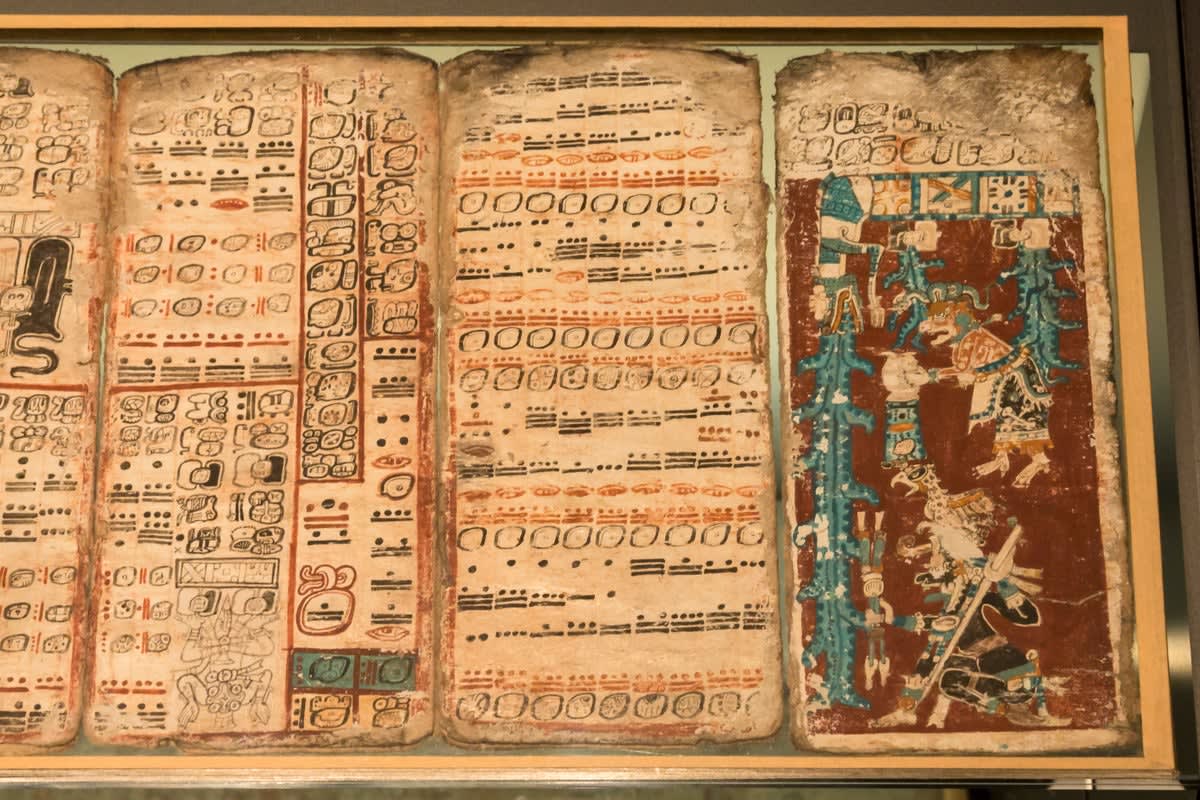
Meet Sak Tahn Waax: Maya's First Named Mathematician
After 1,000 years, we finally know the name of an ancient Maya mathematician who signed his groundbreaking celestial formula. "White-Chested Fox" joins the ranks of history's known mathematical geniuses.
A Maya mathematician signed his work with pride more than 1,000 years ago, and we just learned his name.
Archaeologists have decoded a mysterious plaster fragment discovered in Guatemala, revealing both an advanced astronomical formula and its creator's signature: Sak Tahn Waax, meaning "White-Chested Fox." He's the first Mesoamerican mathematician scientists have identified by name.
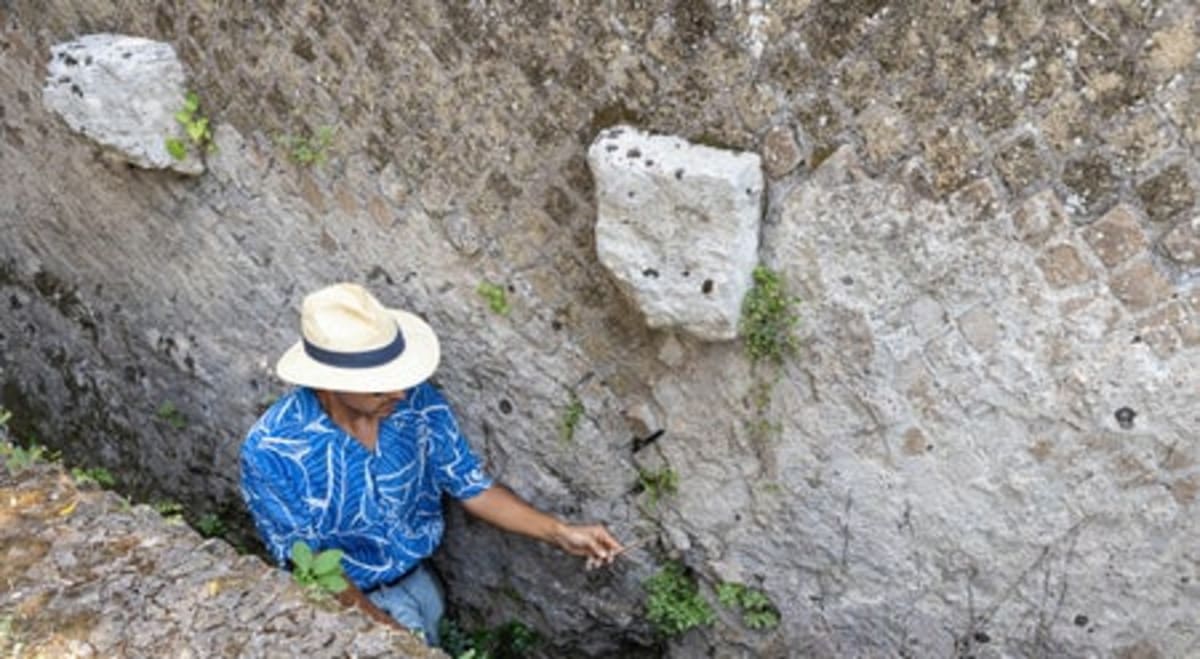
The discovery started in 2010 when researchers excavating the ancient city of Xultun stumbled upon a looted chamber with painted murals. Strange markings on thin plaster scraps puzzled the team for over a decade.
Archaeologist Franco Rossi from MIT finally cracked the code. The symbols represented a mathematical formula connecting the orbital periods of planets like Mars and Venus to each other and to the Maya's 260-day ritual calendar.
"I think it was his mic-drop moment," says Heather Hurst, archaeologist at Skidmore College who led the study published in Antiquity. "He was like, 'Here's my crazy math, boom!'"
The Maya's mathematical brilliance has never been in question. Their calendars demonstrate sophisticated understanding of astronomical cycles requiring advanced calculations. But European conquest destroyed or discarded so much Indigenous knowledge that the names of these brilliant minds seemed lost forever, unlike their counterparts from ancient Greece or China.
The Ripple Effect
This single signature changes how we understand Maya scientific achievement. "This is not just a mathematical exercise but the exercise of a named individual whose knowledge was worth recording," says Yale anthropologist Oswaldo Chinchilla. It adds a deeply personal dimension to calculations we've studied for years.
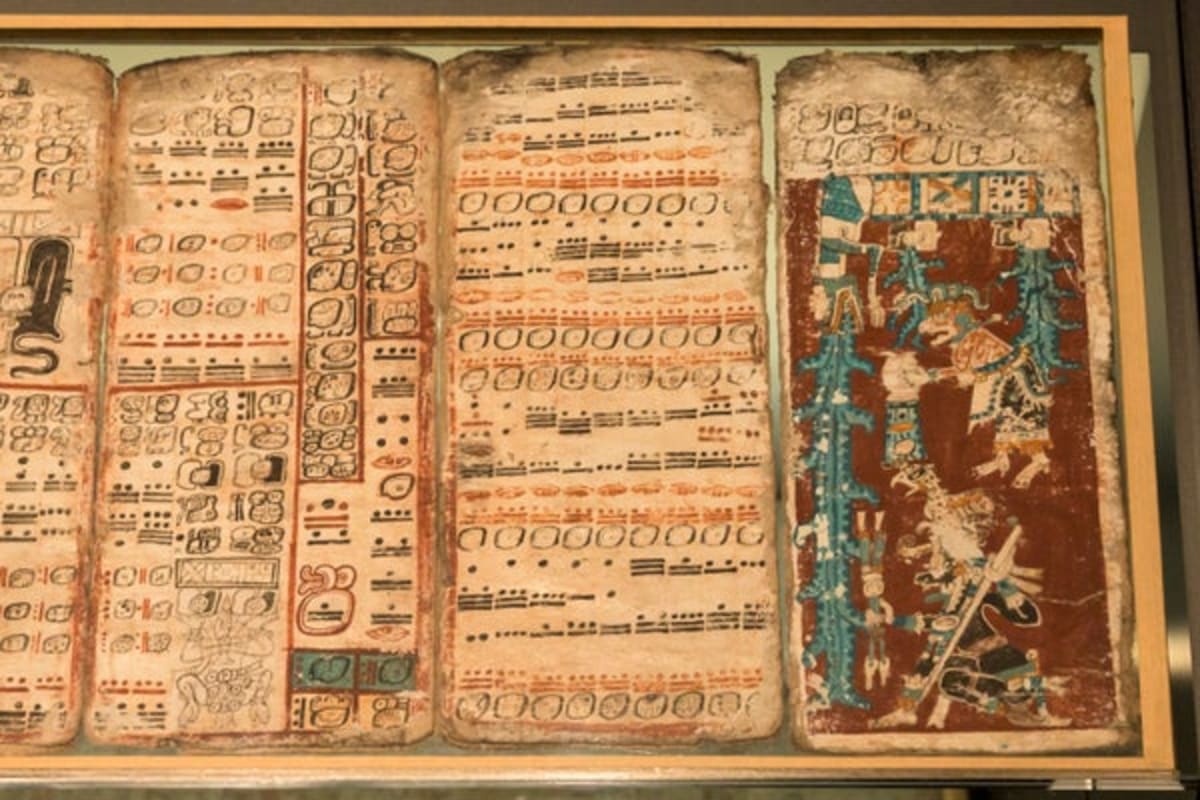
The formula itself shows stunning virtuosity, weaving scientific planetary observations with culturally meaningful numbers in elegant symmetry. Archaeologist Gabrielle Vail from UNC Chapel Hill notes it resembles material in the Dresden Codex, one of the oldest intact Maya texts. This could be the original source that inspired later Maya mathematical works.
Mystery still surrounds White-Chested Fox. The chamber likely belonged to artisan families or scribes, but researchers don't know if he lived there or if someone quoted his famous formula. The site contains many more plaster scraps with different handwriting from at least one other scribe.
More excavation of the jungle-reclaimed city could reveal additional context about this astronomer-sage and the intellectual community that preserved his work.
One mathematician's pride in his accomplishment survived a millennium to remind us that brilliance deserves recognition, no matter where or when it flourished.
More Images


Based on reporting by Scientific American
This story was written by BrightWire based on verified news reports.
Spread the positivity!
Share this good news with someone who needs it
%2Fhttps%3A%2F%2Ftf-cmsv2-smithsonianmag-media.s3.amazonaws.com%2Ffiler_public%2F95%2F43%2F9543c0d6-d8e6-41b5-acd2-e351ebf3f44a%2Fvikingesoelvskat-rebild-2026-6-2048x1365.jpeg)