Memory Training Cuts Stress by Rewiring Positive Recall
Japanese researchers discovered a simple memory exercise that lowers stress hormones and rewires the brain to recall positive moments more easily. The training worked by strengthening neural pathways between emotional memory centers, offering new hope for people struggling with anxiety and depression.
Scientists in Japan have found a surprisingly simple way to reduce stress: training your brain to remember the good stuff.
Researchers at the University of Toyama studied 58 people with anxiety and depression traits, teaching them a technique called cognitive bias modification for memory. The method is straightforward: when participants saw positive words like "confident" or "capable," they practiced vividly recalling a specific positive memory from their own lives.
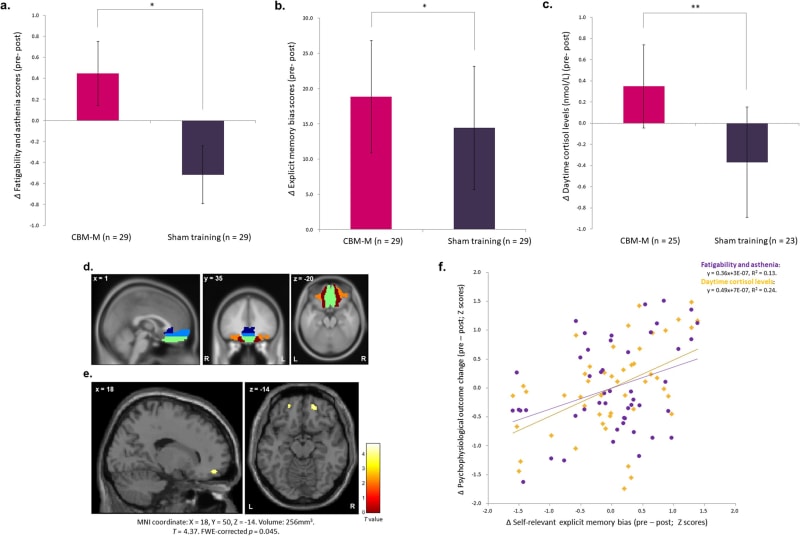
After just eight online sessions over one month, something remarkable happened. Participants using this technique showed lower levels of cortisol, the body's main stress hormone. They also reported feeling less fatigued and showed measurably reduced negative memory bias.
The control group, who memorized the same words without the personal recall exercise, didn't experience these specific benefits. Both groups felt better overall, but only the memory training group showed biological changes.
Brain scans revealed why the technique works. The training strengthened connections between the amygdala, which processes emotional memories, and the anterior medial orbitofrontal cortex, which handles social rewards and personal memories. Essentially, the brain built stronger highways for retrieving positive experiences.
Professor Yuko Hakamata, who led the study, explains that the training modifies how our brains automatically encode and retrieve information. Our minds naturally latch onto negative experiences more strongly than positive ones, creating a cycle that deepens anxiety and depression. This exercise helps break that pattern.
The training didn't work identically for everyone. People with anxiety-focused traits maintained more specific positive memories after training, while those with depression-focused traits showed different patterns. The researchers emphasize that more work is needed to understand who benefits most.
Why This Inspires
What makes this discovery so promising is its accessibility. Unlike traditional therapy that requires reconstructing past experiences with a professional, this technique can be practiced online at home. The training doesn't ask people to forget negative experiences or force positive thinking. Instead, it gently teaches the brain to balance its natural negativity bias.
The physical evidence matters too. Reduced cortisol levels aren't just numbers on a chart. They represent real changes in how the body manages stress throughout the day. Combined with improved brain connectivity, these findings suggest the training creates lasting biological shifts, not just temporary mood boosts.
The research offers fresh hope for the millions struggling with persistent anxiety and depression, showing that targeted mental exercises can create measurable changes in both mind and body.
More Images
Based on reporting by Medical Xpress
This story was written by BrightWire based on verified news reports.
Spread the positivity!
Share this good news with someone who needs it