Scientists Find 3 Types of ADHD Using Brain Scans
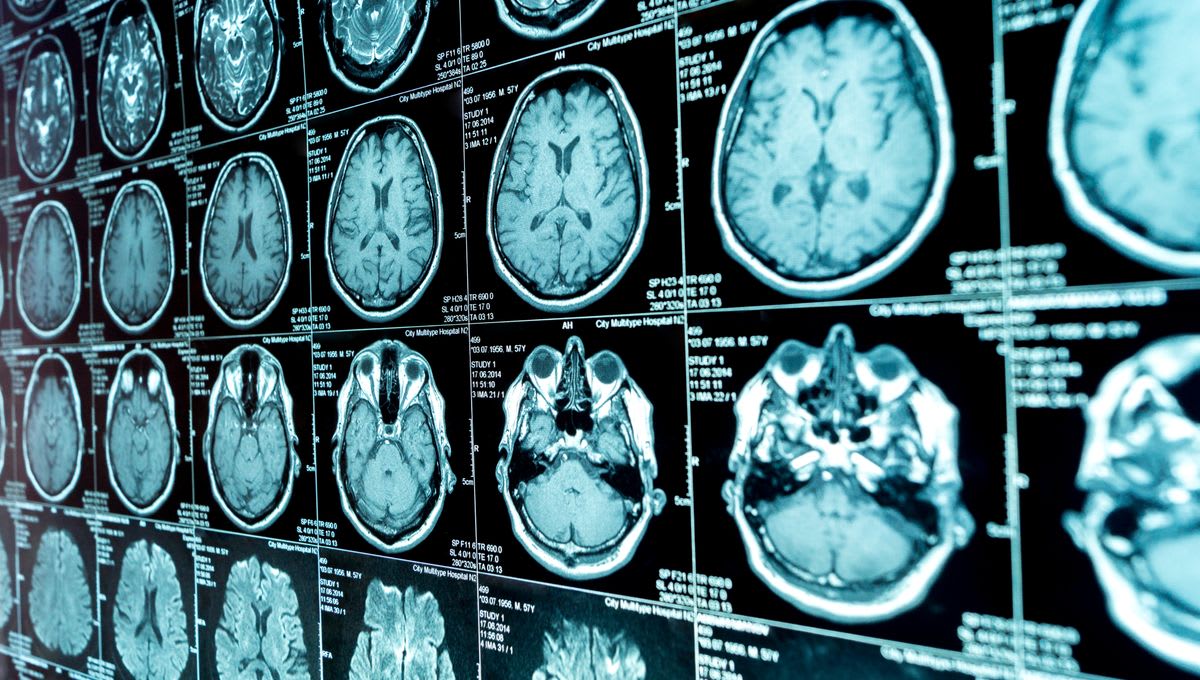
New brain scan research on over 1,100 children reveals ADHD may have three distinct subtypes, opening doors to personalized treatment. This discovery could help millions get more targeted support based on their unique brain patterns.
Scientists just discovered something that could change how we understand and treat ADHD forever.
Researchers at West China Hospital analyzed brain scans from over 1,100 children and found three distinct types of ADHD, each with different brain patterns and symptoms. This breakthrough means people could soon receive treatments tailored specifically to how their brain works, rather than the one-size-fits-all approach used today.
The team identified three subtypes: severe-combined with emotional dysregulation, predominantly hyperactive/impulsive, and predominantly inattentive. Each type showed unique patterns in brain structure and chemical signaling.
The study used a rigorous approach, first analyzing 446 children with ADHD and 708 without, then confirming their findings in a second group of 554 children with ADHD and 123 controls. By examining how different brain networks function and comparing neurochemical signaling, researchers spotted three clear patterns that had been hidden in plain sight.
For people in the ADHD community, this finding validates what many have long suspected: not everyone experiences ADHD the same way. What's revolutionary is that scientists can now see these differences in brain scan data, which could lead to developing specific medications and therapies for each subtype.
The Ripple Effect
This discovery addresses a critical gap in ADHD care. Current treatments like Ritalin help many people but don't work for everyone, and doctors have limited options when first-line medications fail.
Understanding the neurobiological differences between ADHD types means researchers can develop targeted interventions. Someone with predominantly inattentive ADHD might need different support than someone with hyperactive/impulsive symptoms, and now science has the roadmap to create those specific treatments.
The research also shines light on why ADHD diagnosis has historically been so uneven. Girls often go undiagnosed because their symptoms present differently than boys, typically showing more inattentive features while boys display more disruptive hyperactive behaviors. Recognizing these distinct subtypes could help close this diagnosis gap.
The findings, published in JAMA Psychiatry, lay the groundwork for personalized ADHD management. While researchers note some limitations, including that many participants had taken ADHD medication, the patterns they found were clear and consistent across both study groups.
As diagnosis rates continue rising in both children and adults, this research couldn't come at a better time. Millions of people managing ADHD could benefit from treatments designed for their specific brain type rather than generic approaches.
The path from research to personalized treatment takes time, but this study provides the scientific foundation needed to get there.
More Images



Based on reporting by Google News - Health
This story was written by BrightWire based on verified news reports.
Spread the positivity!
Share this good news with someone who needs it