Men Counter Toxic Online Content With Books and Kindness
Former rugby star Luke Bateman and other male creators are building online communities around reading, parenting, and positive values to counter harmful "manosphere" content reaching young men. Their relatable approach offers boys and men healthier models of masculinity in feeds often dominated by toxic messages. ---
A former rugby player is fighting toxic masculinity with the most unexpected weapon: book recommendations.
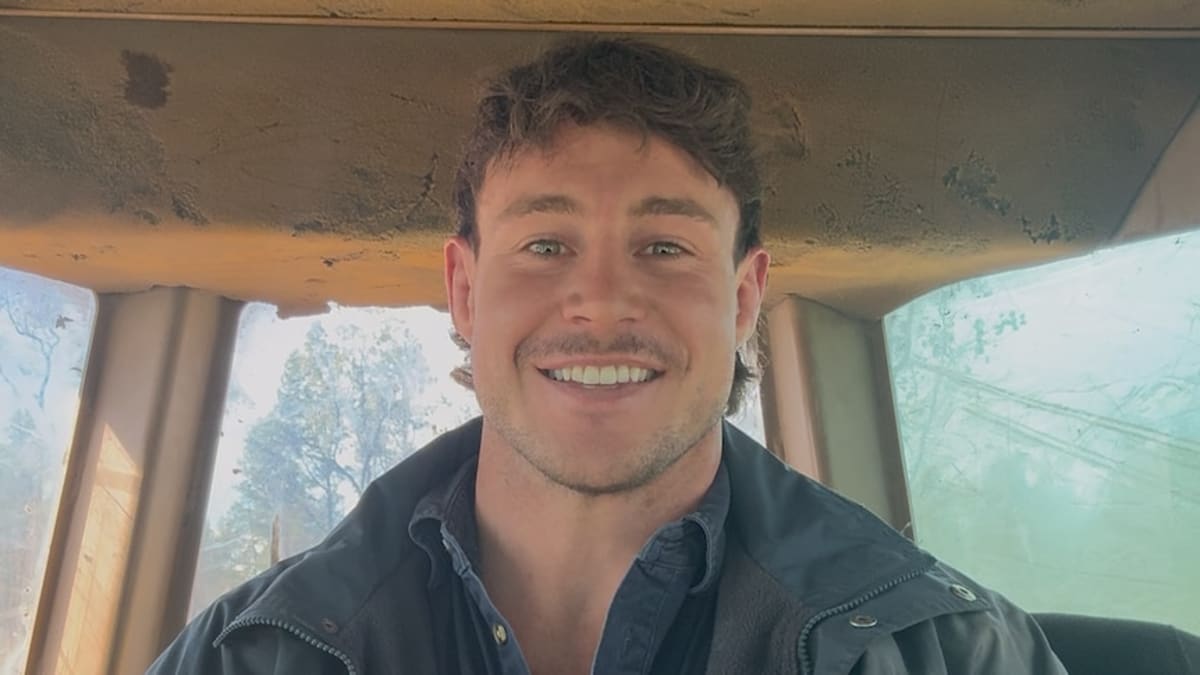
Luke Bateman joined TikTok over a year ago just wanting to talk about his favorite reads. But the Australian ex-NRL player quickly realized his platform offered something rarer and more valuable—a version of manhood that doesn't rely on being "alpha" or "high value."
Bateman says he worries constantly about young men whose social media feeds look nothing like his book-filled algorithm. "There's a 10-year-old Luke Bateman who needed to see somebody like me and who needed to see those parts of himself validated," he explains.
He's not alone in this mission. Across social media platforms, a growing number of male creators are sharing content that directly contradicts the anger and entitlement promoted by manosphere influencers.
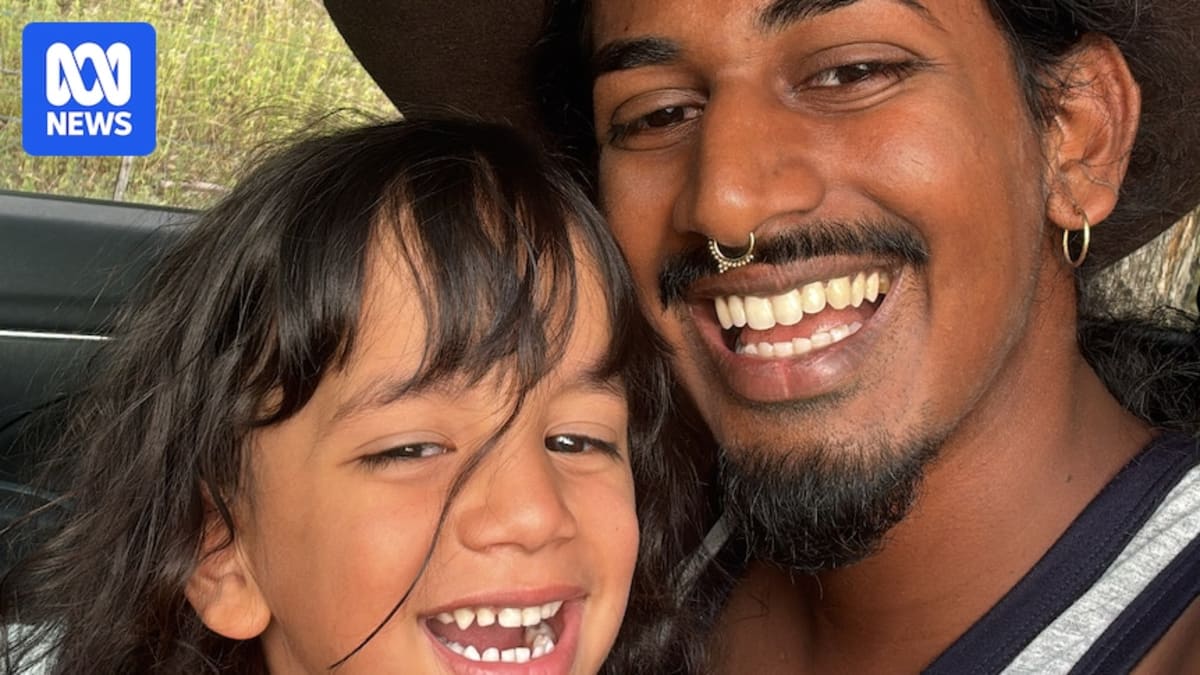
Caleb Ferdinand, a 26-year-old father of two in regional Queensland, posts Instagram videos about cooking dinner for his wife, tending his veggie patch, and the realities of young parenthood. For him, being relatable matters more than projecting an impossible image of wealth and status.
"The more I give, the more I receive," Ferdinand says. "With this manosphere and all these big male figures that drive the most beautiful cars, it doesn't seem like they're big givers."
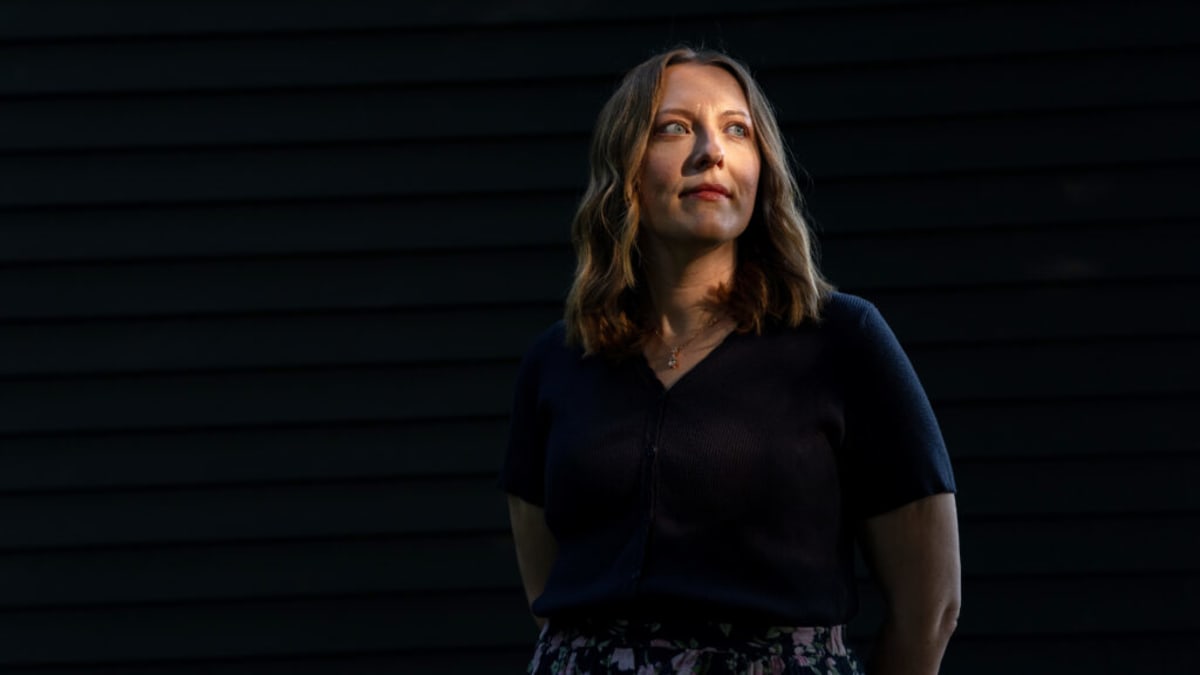
Research shows why this alternative content matters so much. Stephanie Wescott, who studies misogynistic ideologies at Monash University, says manosphere content reaches boys "whether they look for it or not," and algorithms can lead susceptible young men down increasingly hateful rabbit holes.
Clinical psychologist Zac Seidler notes the manosphere offers "a very clear mantra about what to be and how to be" during difficult times. That simplicity proves seductive when young men feel lost.
The Ripple Effect
The challenge these positive creators face is real: hostile messages grab attention faster than balanced ones. Wescott acknowledges that extreme content has more "emotional resonance" and spreads more easily than hopeful alternatives.
But she believes boys and men desperately need "expansive" representations of masculinity that show them different paths forward. Even more importantly, girls and women benefit from seeing these creators too—proof that not all men embrace harmful ideologies.
Bateman admits he's unsure how much impact he's actually having. When documentaries about the manosphere trend online, his feed fills with thoughtful critiques, but he knows others see very different content.
Still, he considers silence a "failure of responsibility" when you have a platform and young people watching.
These men may never match the algorithmic reach of manosphere influencers, but they're offering something more lasting: proof that strength can look like vulnerability, success can include service, and masculinity has room for tenderness and books.
---
More Images



Based on reporting by ABC Australia
This story was written by BrightWire based on verified news reports.
Spread the positivity!
Share this good news with someone who needs it