Merlin App's 40M Users Now Power Global Bird Conservation
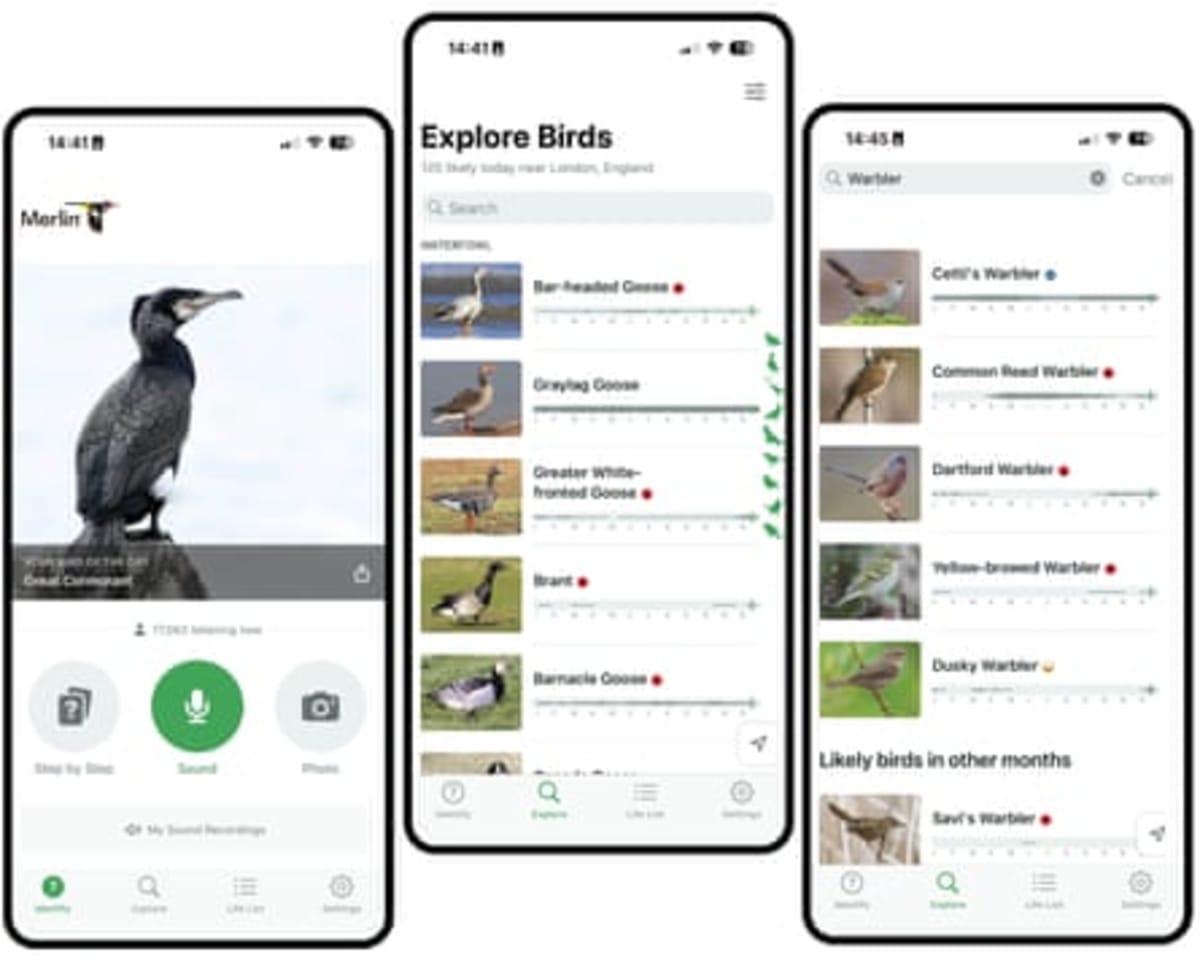
The popular Merlin bird identification app is linking its real-time birdsong data with the world's largest citizen science biodiversity database, turning millions of casual birdwatchers into conservation allies. Almost 2 million people in the UK alone used the free app in May to identify birds by sound.
Imagine if every time you identified a bird chirping in your backyard, you helped scientists track endangered species worldwide. That's exactly what's happening with Merlin, the free bird identification app that's been downloaded more than 40 million times across 240 countries.
The Cornell Lab for Ornithology created Merlin to use machine learning to identify birds by their songs in seconds. Now they're connecting those identifications to eBird, a global database with over 2 billion bird observation records that helps researchers monitor populations and guide conservation efforts.
The timing couldn't be more critical. Britain's total bird population has dropped by more than 70 million over the past 50 years, according to the British Trust for Ornithology. Each Merlin user who records a sighting creates data points that help scientists understand which species need urgent protection.
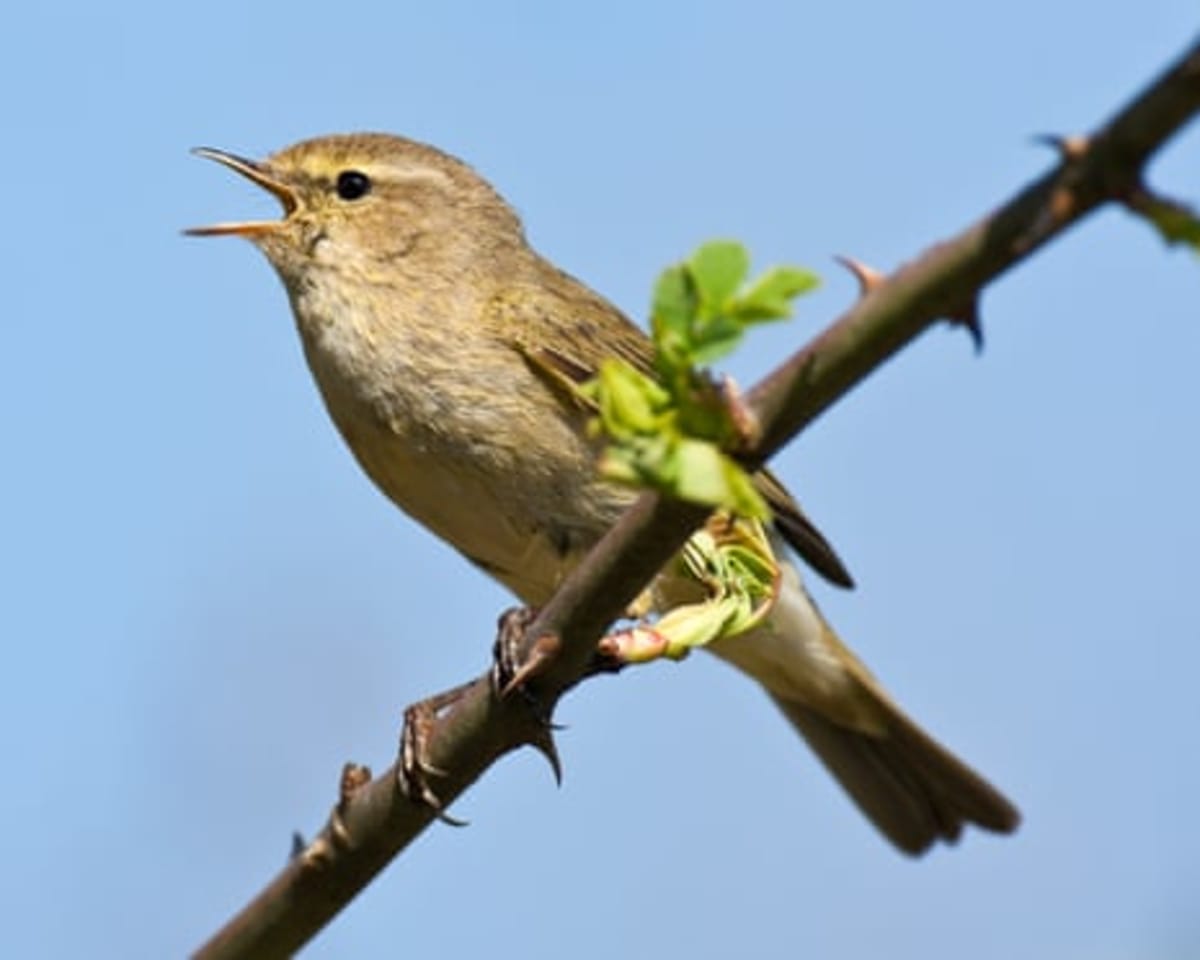
The app currently recognizes 2,066 bird species across the US, Canada, Europe, and parts of Central and South America. Different birds create distinct patterns on spectrograms, visual representations of sound that the app has learned to match to specific species almost instantly.
Jessie Barry, one of Merlin's project leaders, explains the vision. "This data helps create tools that can be used to further conservation, inspire support and inform ecological management strategies," she said.
Britain ranks second globally in Merlin users, with nearly 2 million people exploring the app in May alone. Canada, Germany, France, Spain, and the Netherlands also top the charts for engagement.
Moira Forsyth, who lives in Scotland's Muir of Ord, discovered an unexpectedly rich variety of birds on her property using the app. "We have been astonished to discover we had a much wider range of birds here than we thought," she said, combining Merlin with traditional bird guides and binoculars.
The Ripple Effect
The revolution extends beyond data collection. Prof Richard Gregory of the RSPB notes that Merlin is drawing new people into nature appreciation. "Everywhere I go, I see people are using Merlin, connecting with nature and learning their birds, becoming more curious to know more," he said.
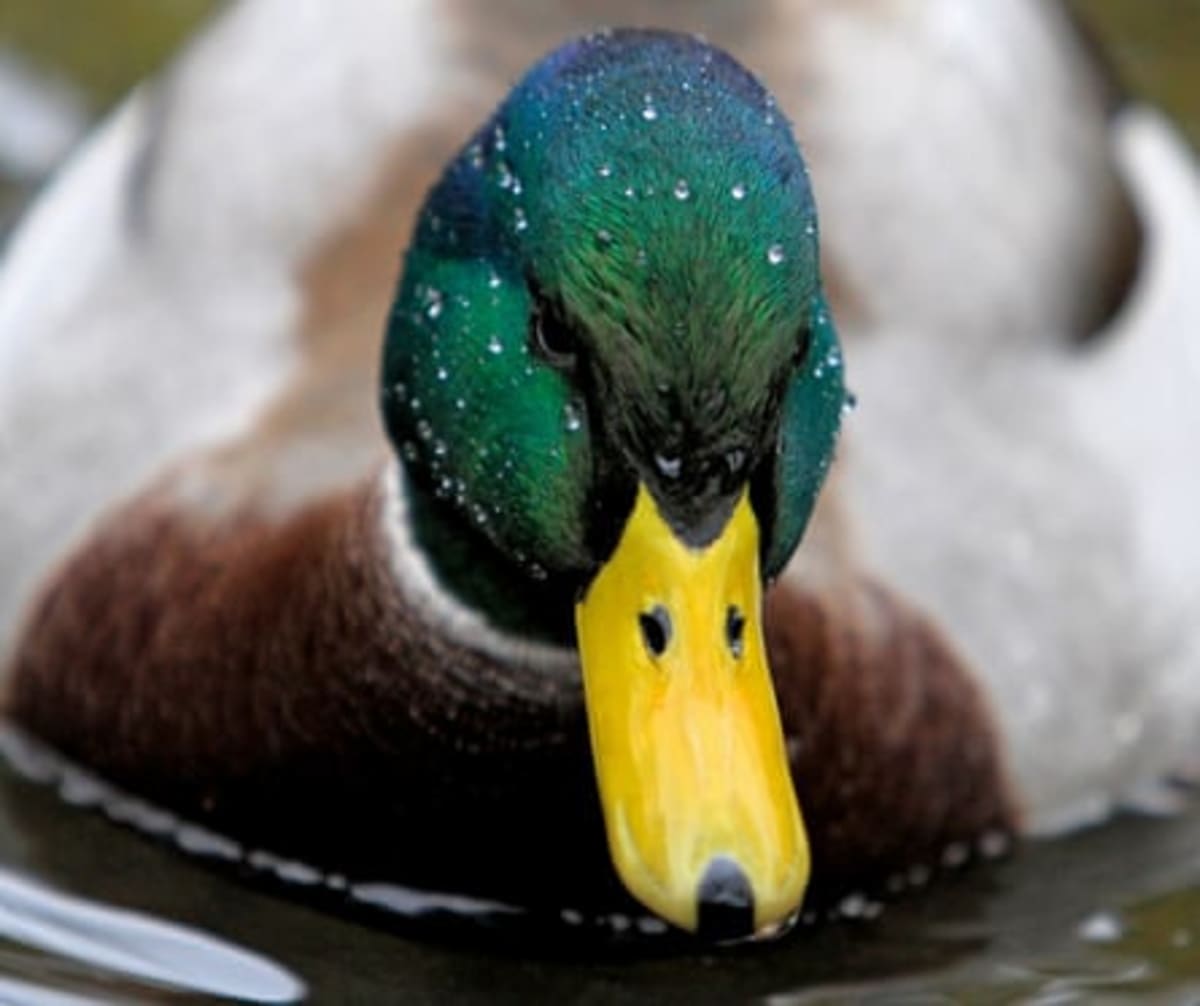
The app does occasionally misidentify sounds (Gregory's dachshund was once tagged as a mallard), and experts recommend using it alongside other identification methods for official surveys. But Barry points out that research teams regularly account for data quality challenges, and more information ultimately serves conservation better than no data at all.
The European Bird Census Council is now coordinating acoustic bird monitoring across Europe, showing how grassroots technology can shape scientific infrastructure. What started as a helpful tool for curious nature lovers has evolved into a continent-spanning conservation network powered by ordinary people noticing the birds around them.
Every chirp identified brings scientists one step closer to protecting the species that need help most.
More Images

Based on reporting by Guardian Environment
This story was written by BrightWire based on verified news reports.
Spread the positivity!
Share this good news with someone who needs it