Meta Secures 1 GW of Space Solar Power by 2030
Meta just signed the world's first space-based solar power deal, securing up to 1 GW of clean energy beamed from orbit. The breakthrough could solve AI's growing energy crisis while making existing solar farms work around the clock.
The future of clean energy just moved 22,000 miles above Earth.
Meta signed a groundbreaking agreement with Overview Energy to become the first company receiving space-based solar power for its data centers. The deal gives Meta access to up to 1 gigawatt of electricity, enough to power roughly 700,000 homes, with demonstrations starting in 2028 and full delivery expected by 2030.
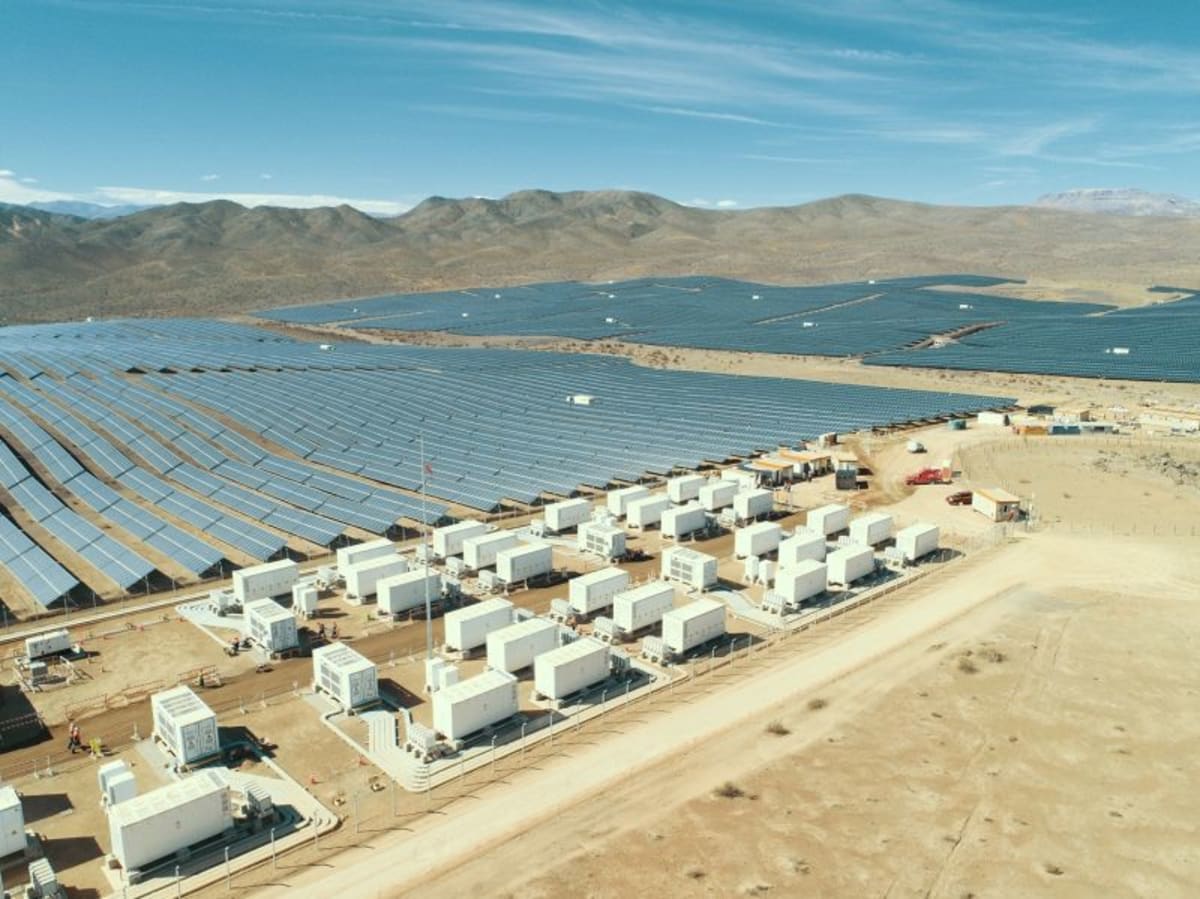
Here's how it works: Overview's satellites collect continuous sunlight while orbiting Earth and beam it down as safe, near-infrared light to existing solar farms on the ground. Those facilities convert the light into electricity, letting them generate power 24/7 instead of just during daylight hours.
The technology solves multiple problems at once. It doesn't require new land, fuel, or the lengthy grid connection approvals that currently delay clean energy projects for years. The beam itself is invisible, less intense than regular sunlight, and completely safe for people, animals, and aircraft passing through it.
Space-based solar delivers roughly five times more energy than ground systems because it operates outside Earth's day-night cycle. By eliminating atmospheric interference, orbital arrays capture 30% more power from every ray of sunlight.
Meta's move comes as tech companies race to secure reliable electricity for AI systems that demand instant power spikes. Right now, 160 GW of committed large-load requests sit in the pipeline, representing 22% of total U.S. peak demand. Traditional grid connections can't keep pace with that growth.
Overview assembled serious expertise to make this vision real. Their advisory board includes two former NASA Administrators, Jim Bridenstine and Mike Griffin, plus Joseph Kelliher, former chairman of the Federal Energy Regulatory Commission.
The Ripple Effect
This partnership could transform how we think about renewable energy's biggest limitation: intermittency. If space-based solar succeeds, existing solar farms worldwide could double or triple their output without building new facilities or clearing additional land.
The technology also bypasses the grid bottlenecks currently choking clean energy expansion. Developers wouldn't need to wait years for connection approvals or worry about local distribution lines crashing during demand spikes.
For communities near solar installations, this means more clean energy jobs and tax revenue without the environmental impact of expanding facilities. It turns existing infrastructure into round-the-clock power plants.
Other major tech companies are watching closely. As energy demand from AI continues climbing, solutions that deliver reliable clean power without grid dependence become increasingly valuable for both business and climate goals.
By 2030, power beamed from space could be lighting up data centers and proving that humanity's biggest energy challenges have solutions beyond our atmosphere.
More Images
Based on reporting by PV Magazine
This story was written by BrightWire based on verified news reports.
Spread the positivity!
Share this good news with someone who needs it