Meteor Photobombs Nebula as August Brings Triple Showers
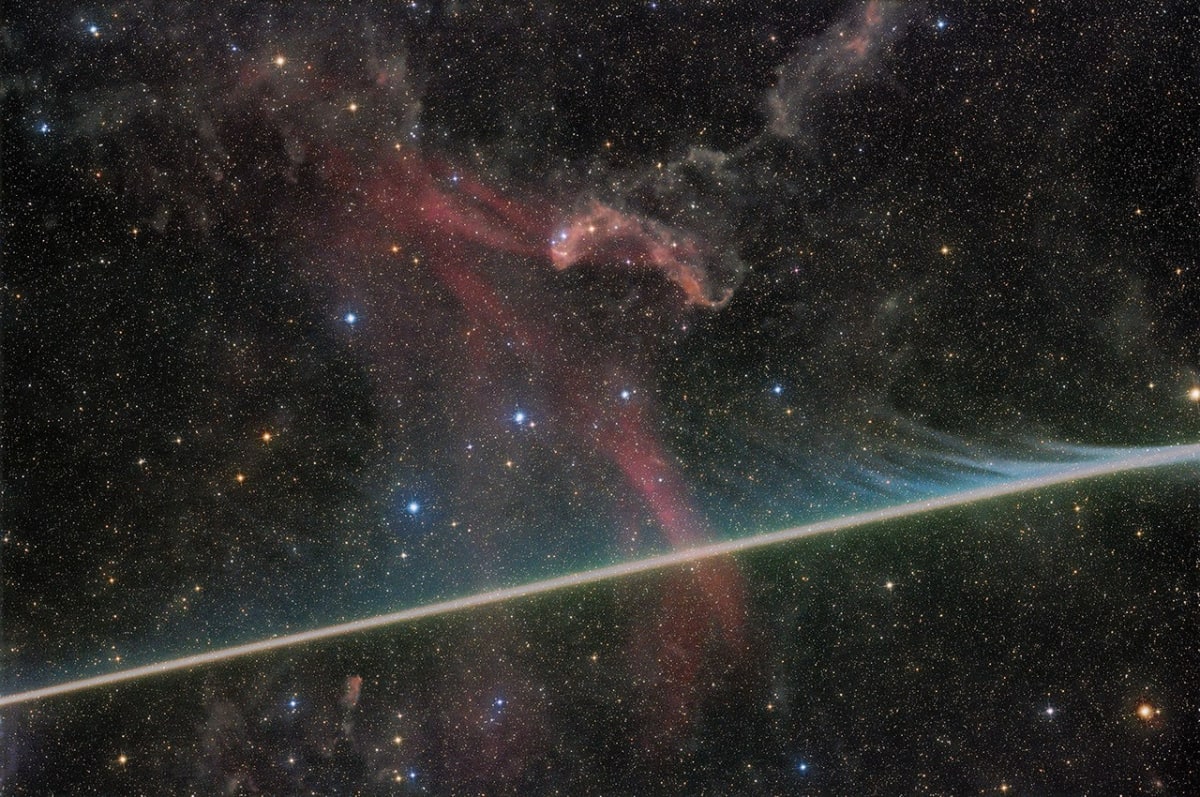
A vaporizing meteor streaked across the night sky and accidentally crashed a photo of the stunning Lacerta Nebula, creating a cosmic surprise for one lucky photographer. Even better news: August brings three meteor showers at once, with the best show arriving mid-month under perfect dark skies.
A tiny space pebble just stole the spotlight from one of the universe's most beautiful nebulas, and the accidental photobomb is absolutely stunning.
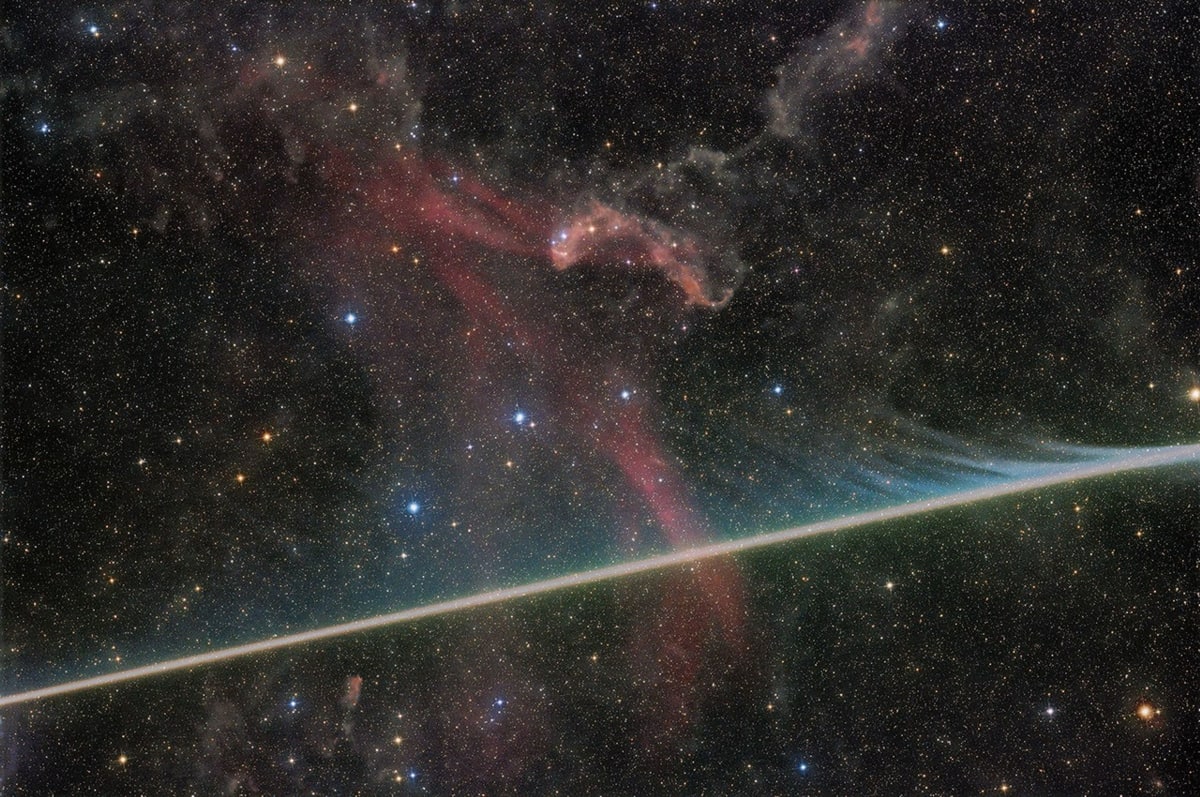
Tom Burnett was photographing the Great Lacerta Nebula from Death Valley Observatories in Nevada last month when a meteor streaked through his shot. The bright flash appeared and vanished in seconds, but his camera caught every glowing detail.
The meteoroid vaporized as it fell through Earth's atmosphere, heating the air around it until both glowed brilliantly. The colors in the streak tell scientists what the space rock was made of, turning a random moment into valuable data wrapped in beauty.
But the real excitement is happening right now. Three separate meteor showers are filling August skies with shooting stars, giving stargazers triple the chances to catch their own cosmic show.
The Perseids, the most active of the three showers, will peak in about ten days. This year brings a rare bonus: the peak timing nearly matches a new moon, meaning darker skies and brighter meteors.
Some lucky viewers will get an even more spectacular experience. From certain locations, that new moon will completely eclipse the sun, creating one of nature's most breathtaking displays just as meteor activity reaches its height.
Right now, a bright gibbous moon is washing out some of the fainter meteors. But as the moon dims over the next week, the sky will transform into an increasingly dramatic stage for nature's fireworks.
Why This Inspires
This accidental photograph reminds us that the universe is always performing, whether we're watching or not. Burnett set out to capture one celestial wonder and got two for the price of one, proof that keeping your eyes on the sky brings unexpected rewards.
The timing couldn't be better for anyone who's ever wanted to see a shooting star. You don't need expensive equipment or special training, just a clear night, a dark spot away from city lights, and a willingness to look up.
The universe is putting on a show all month long, and the best seats are free.
More Images
Based on reporting by NASA
This story was written by BrightWire based on verified news reports.
Spread the positivity!
Share this good news with someone who needs it