Mexico City Gives 400,000 Recyclers Legal Rights
Mexico's new circular economy law is finally recognizing 400,000 informal waste workers who've been recycling the country's trash for decades without benefits or legal status. Iztapalapa borough is leading the way to turn invisible workers into protected employees.
María and her husband Rogelio have spent years sorting through Mexico City's trash to make a living, part of an invisible army of 400,000 waste pickers who recycle without recognition, benefits, or steady income.
That's about to change. Mexico's new General Circular Economy Law, published in January, formally defines grassroots recyclers for the first time and requires their inclusion in the country's recycling system.
"Living from garbage doesn't mean we become part of the garbage," said Soledad Mella, a Chilean recycler who traveled to Mexico City to share her journey from landfills to United Nations climate negotiations. "We must dignify and defend our work."
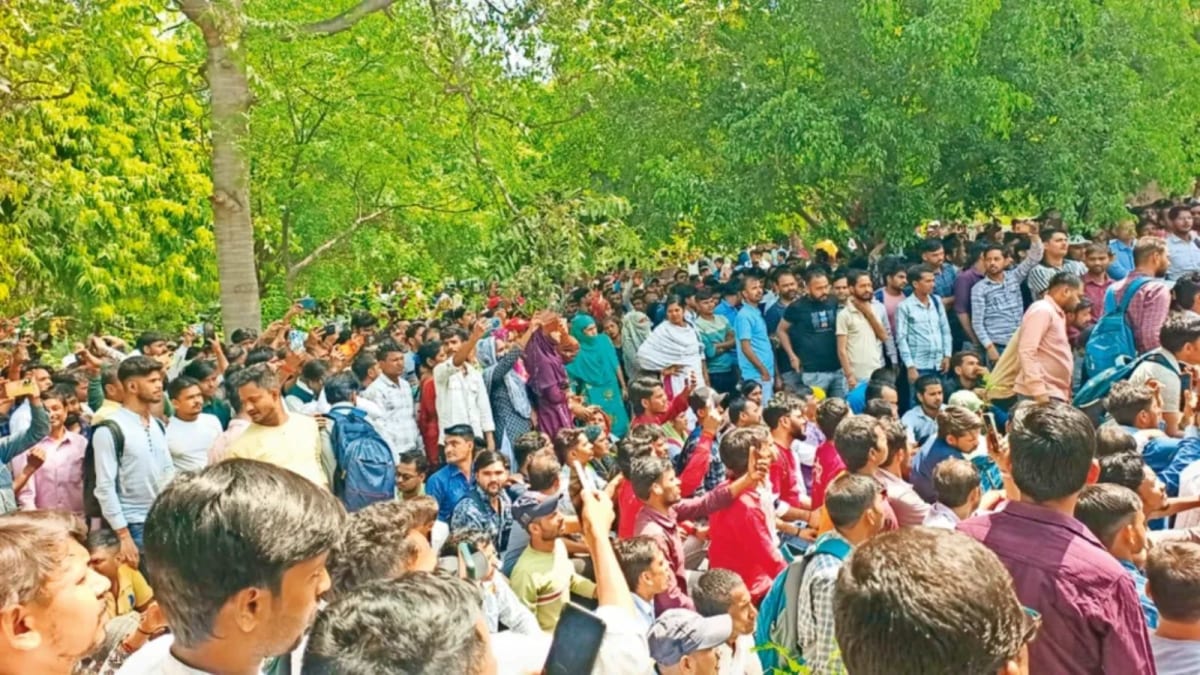
On September 10, hundreds of recyclers packed an auditorium in Iztapalapa, Mexico City's most waste-burdened borough, for the Forum on Inclusive Circular Economy. They sat alongside industry representatives, government officials, and academics to hammer out how the new law will actually work.
The gathering tackled real questions: How will recyclers register for Social Security? How can they form cooperatives and sell materials directly to manufacturers instead of through middlemen who take most of the profits?
Iztapalapa is positioning itself as the testing ground. The borough of 1.8 million people collects 2,200 metric tons of waste daily and has quadrupled its recycling rate from 2% to 8% since the current administration began.
Mayor Aleida Alavez Ruiz wants to bring the law down to earth. "A law that people don't know how to use is not operative," she said.
The borough has launched weekly "junk days" for furniture and appliances, expanded cooking oil collection to prevent drain clogs, and identified over 500 local circular economy businesses. These range from cell phone repair shops to craftspeople who transform discarded materials into sellable products.
The Ripple Effect
The impact reaches beyond Mexico City. More than 2 million people work in Mexico's informal recycling economy, often in precarious conditions. This law creates a pathway for millions to gain stability while helping Mexico meet its environmental goals.
The new law requires manufacturers to take responsibility for what happens to their products after use. That means recyclers who've been doing this work invisibly for generations will finally have a seat at the table when companies design their take-back programs.
René Sánchez Galindo from the Environment Ministry acknowledged the challenge ahead. Regulations must balance the needs of industry, consumers, and recyclers while remaining economically viable for everyone.
Working groups at the forum focused on recycling everything from plastics to electronics, examining training needs, tax registration, and direct industry purchases. The regulations are still being written, giving recyclers their first real chance to shape the rules that will govern their livelihoods.
Mexico is proving that environmental progress and economic justice can move forward together.
Based on reporting by Mexico News Daily
This story was written by BrightWire based on verified news reports.
Spread the positivity!
Share this good news with someone who needs it