Mexico Researchers Create Simple One-Sensor Prosthetic Arm
A team in Guadalajara designed a prosthetic arm that uses just one muscle sensor to control multiple natural movements, making bionic limbs easier to use. For one tester, it's a childhood promise finally fulfilled.
A new prosthetic arm in Mexico is making bionic limbs simpler and more natural for people who need them most.
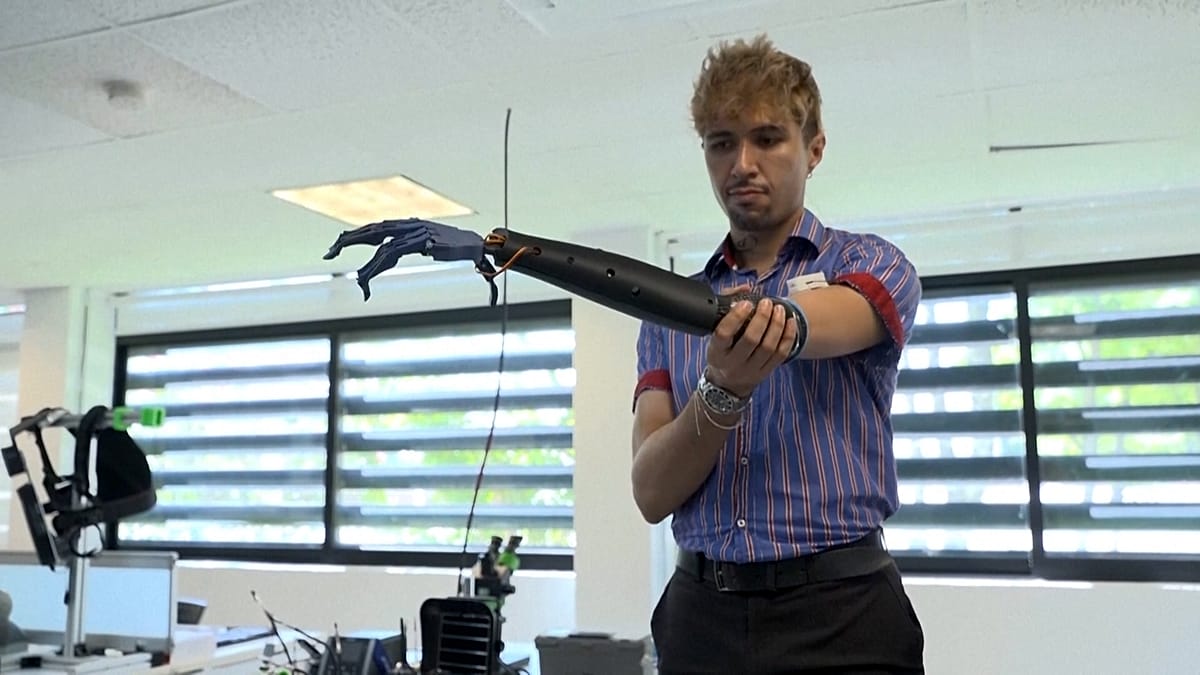
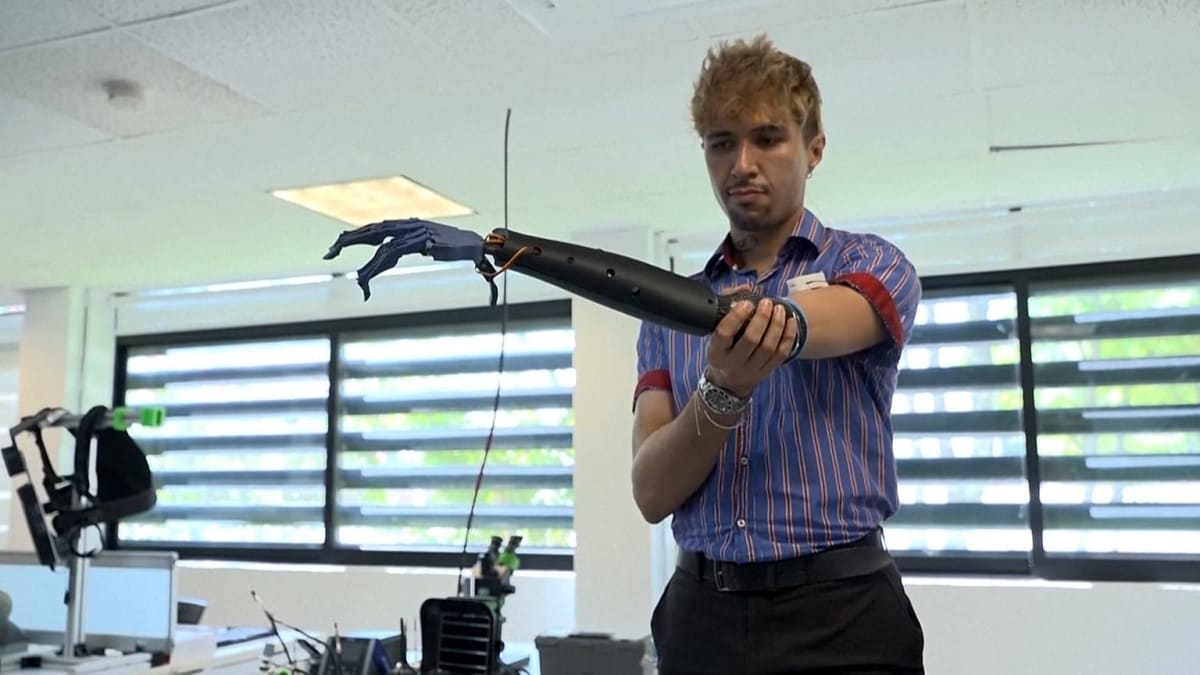
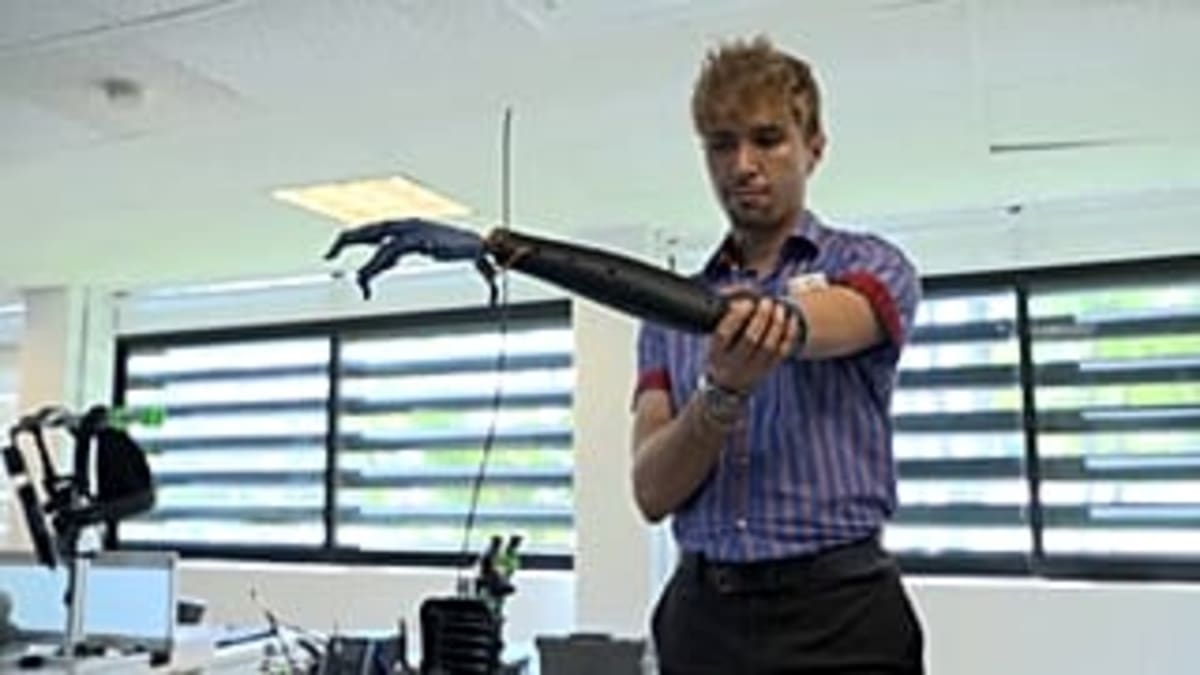
Researchers at the University of Guadalajara have developed the E-Redi arm, a 3D-printed prosthetic that solves a major problem with existing bionic limbs. Instead of requiring multiple sensors that frustrate users and often lead them to give up, this device uses just one muscle sensor to control a range of movements.
Dr. Erick Guzmán leads the project, supported by the Jalisco State Council of Science and Technology. His team focused on making the technology more approachable. Traditional prosthetics overwhelm users with complexity, but the E-Redi arm trains the brain to control it more naturally.
The design hides its motors inside the forearm, creating a sleeker, more comfortable fit. This approach helps users feel less self-conscious while building the neural pathways needed for intuitive control.
For Alberto Orozco, who was born with a partial limb, testing the E-Redi arm carries special meaning. His childhood friend Jorge Velazco, now the arm's mechanical designer, promised years ago to help create something that would change his life. That promise is now becoming reality.
The Ripple Effect
The simplicity of the one-sensor design could transform accessibility for amputees worldwide. Complicated prosthetics often end up abandoned in closets because users can't master the learning curve. By reducing that complexity, the E-Redi arm makes advanced prosthetics practical for everyday life.
The team is already planning future versions with voice-assisted controls. These updates could make the technology even more intuitive, especially for new users still learning to operate their prosthetic.
The Guadalajara innovation represents a shift in how researchers approach assistive technology. Instead of adding more features, they're removing barriers. That philosophy puts user experience first and could inspire similar breakthroughs in other medical devices.
A childhood promise kept is now opening doors for countless others who deserve technology that works with them, not against them.
More Images


Based on reporting by Euronews
This story was written by BrightWire based on verified news reports.
Spread the positivity!
Share this good news with someone who needs it