Mexico Unveils $720 Solar Farm That Grows Food Anywhere
Mexican researchers just made vertical farming accessible to everyone by creating a solar-powered tower that grows 24 plants using 90% less water than traditional agriculture. Best part? They shared the entire design for free online.
Growing fresh food in the desert without electricity or running water just became possible for anyone with $720 and an internet connection.
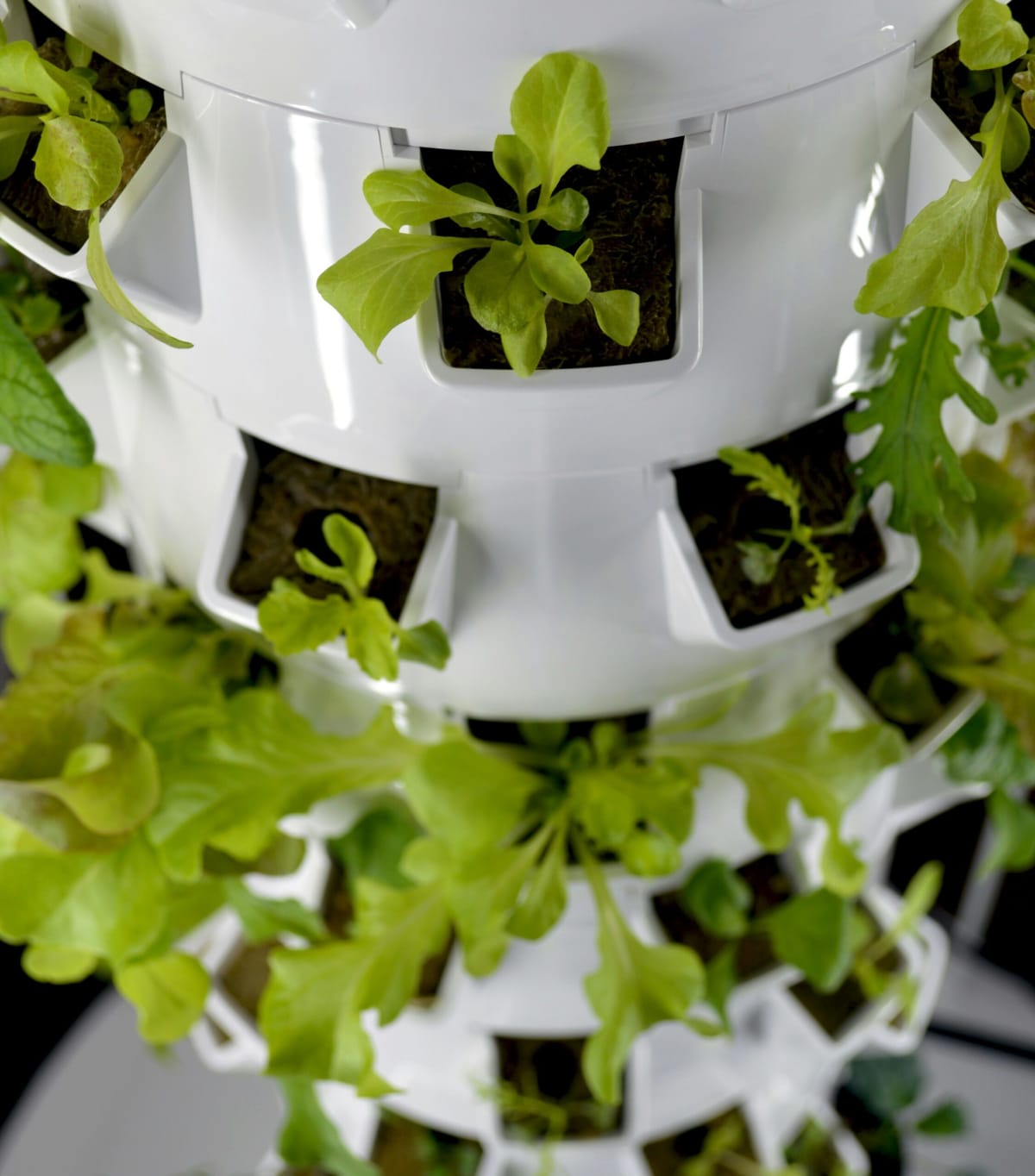
Researchers at Mexico's Northwestern Center for Biological Research created Totem, a solar-powered vertical farm that grows plants by misting their roots with nutrients instead of using soil. The entire system runs off-grid and they made all the blueprints, software, and assembly instructions available online for free.
The tower stands five feet tall and holds 24 plants stacked vertically, taking up minimal space while maximizing production. A small solar panel charges batteries that power a pump, which sprays plant roots with nutrient mist every 30 minutes. The unused water drains back into a reservoir and gets reused, slashing water consumption compared to traditional farming.
During a 55-day basil test, the system worked flawlessly and produced two full harvests. The solar panel generated three times more electricity than the farm needed, even under cloudy conditions. The batteries held enough charge to keep everything running for nearly three days without any sunlight.
The researchers built Totem entirely from off-the-shelf PVC pipes and commercial parts anyone can buy at hardware stores. They designed it specifically for communities without reliable electricity or water access, whether that's remote villages, urban rooftops, or disaster relief zones.
The Ripple Effect
Making the design open-source means communities worldwide can now build their own food production systems without expensive equipment or grid electricity. Schools can use Totem to teach students about sustainable agriculture. Urban areas can grow fresh produce on balconies and rooftops. Remote communities can achieve food security without depending on long supply chains.
The $720 price tag represents just materials. Since anyone can download the plans and modify them, local communities might find even cheaper alternatives using recycled materials. The researchers envision people sharing improvements and adaptations, creating a global network of collaborative food innovation.
The technology works for leafy greens, herbs, and other crops that thrive in aeroponic systems. While the current version requires manual pH monitoring, the team identified automated nutrient management as their next development priority.
This isn't just about growing basil in Mexico. It's about putting food production power into the hands of anyone who needs it, anywhere on Earth.
More Images


Based on reporting by PV Magazine
This story was written by BrightWire based on verified news reports.
Spread the positivity!
Share this good news with someone who needs it