Michigan Couple Rescues 60 Baby Deer, Educates Thousands
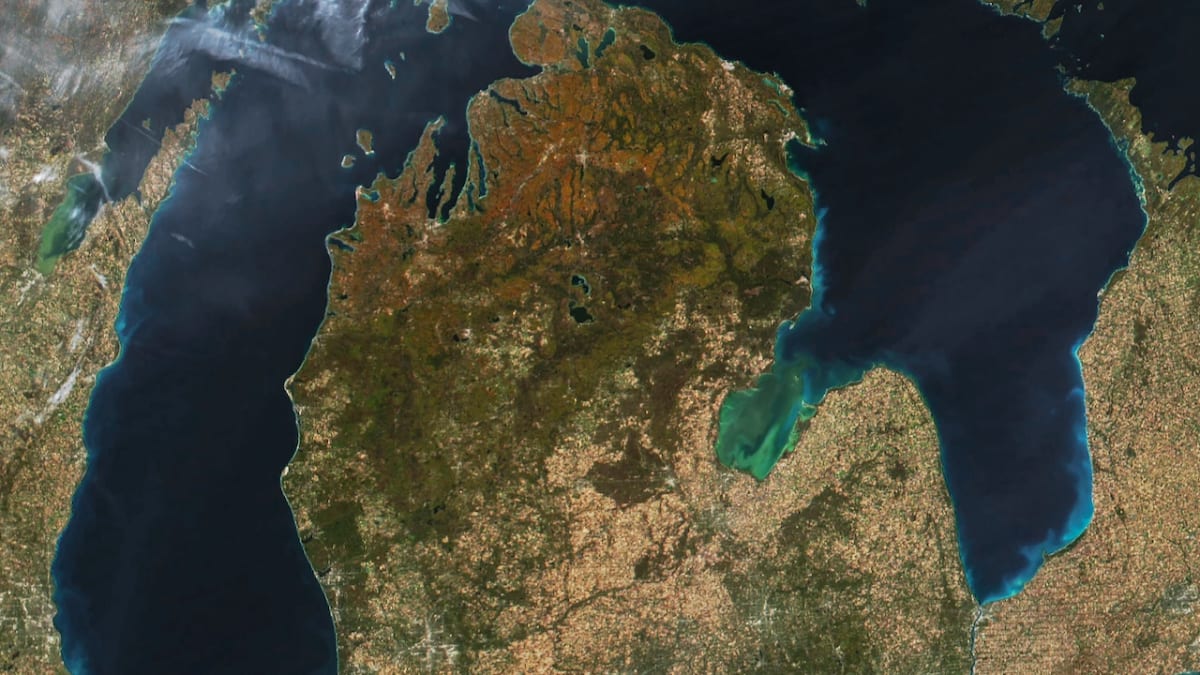
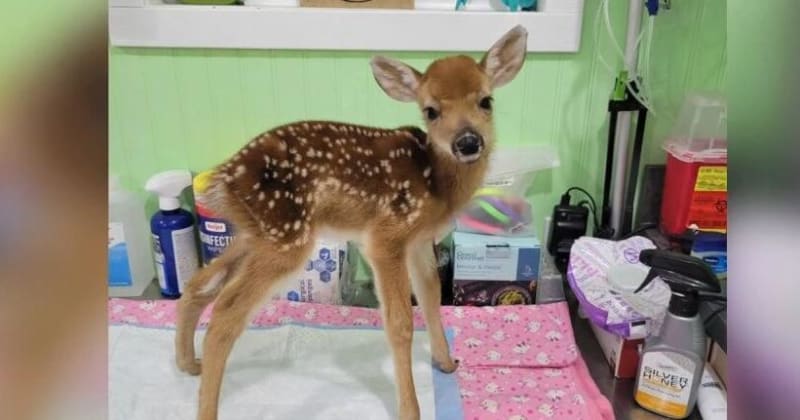
A Michigan family turned a backyard emergency into a full-fledged fawn rescue operation that saved nearly 60 baby deer this year. Warren Short and his wife now field 3,000 calls annually, teaching locals when to help wildlife and when to leave nature alone.
When Warren Short's son found a baby deer dying from heatstroke in their Lapeer County yard in 2021, the family faced a choice. They could watch it die, or figure out how to save it.
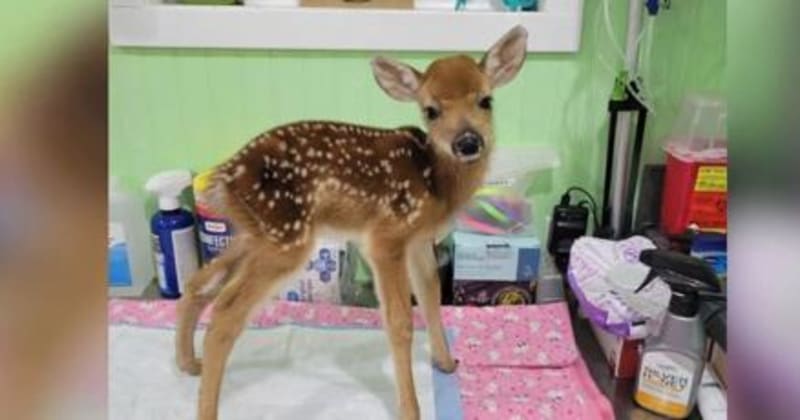
They chose rescue. That deer, named Loki, survived and inspired Short's Fawn Rescue, now one of Michigan's busiest wildlife rehabilitation centers.
Warren Short grew up hunting deer, which might seem like an unlikely background for a wildlife rescuer. But his love for the animals drove him to give back in a different way. "I've loved deer my whole life, and I just wanted to give back," Short said.
This year alone, the rescue cared for nearly 60 orphaned, sick, and injured fawns. Warren and his wife Lynn handle everything from wound care to warming hypothermic babies to fecal testing. They've essentially become field veterinarians, providing medical care that costs upward of $500 per fawn.
But here's the surprising twist. Most of the 3,000 annual calls they receive don't actually require rescue at all.
"95% of them are people that say, 'Hey, there's a fawn in my yard. No mom around. I don't know what to do,'" Short explained. In most cases, the baby deer is perfectly fine, just waiting for mom to return from foraging.
The Ripple Effect
The Shorts have become wildlife educators, teaching their Michigan community when intervention helps and when it harms. Mother deer often leave their fawns alone for hours while feeding, a natural behavior that panics well-meaning humans. By spreading this knowledge, the rescue prevents unnecessary separations between healthy fawns and their mothers.
Every rehabilitated fawn must be released by October 1st under Michigan law, giving them time to adapt before winter arrives. The Shorts use the off-season for fundraising and education, since they receive zero government funding.
Their annual Run Wild for the Fawns Virtual 5K starts February 23rd, raising money to continue their work. Without community support, the $30,000-plus annual cost comes straight from their pockets.
What started as one family's emergency response to a dying fawn has grown into a community resource that saves lives and spreads knowledge. The Shorts prove that sometimes the best way to honor what you love is to protect it differently than you did before.
More Images


Based on reporting by Google: rescue saves
This story was written by BrightWire based on verified news reports.
Spread the positivity!
Share this good news with someone who needs it