Michigan Gives New Moms $7,500 Cash. Preterm Births Drop 18%
A Michigan program gives mothers $1,500 during pregnancy and $500 monthly for baby's first year with no strings attached. The results are stunning: preterm births down 18%, low birth weight down 27%, and infant deaths cut in half.
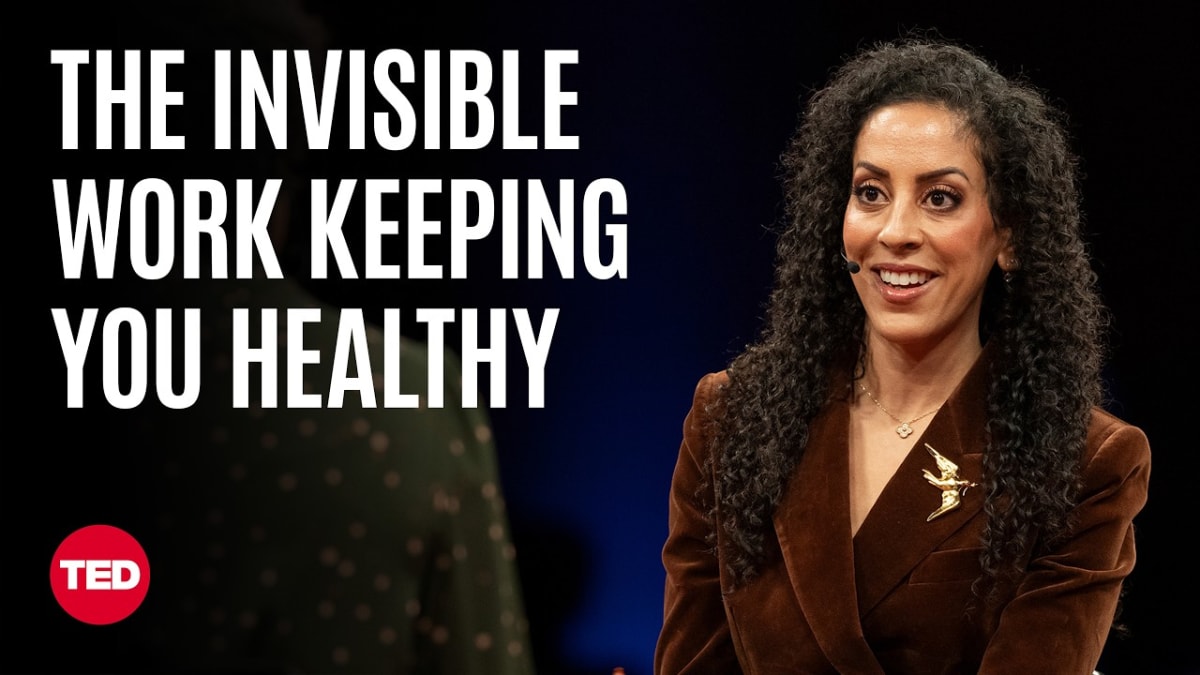
When pediatrician Dr. Mona Hanna watched families struggle to pay rent or buy diapers, she knew it was harming their health. But poverty was just noted in medical charts and ignored.
Now she's part of something different. In 2024, Michigan State University launched Rx Kids, the country's first universal cash program for new moms and babies.
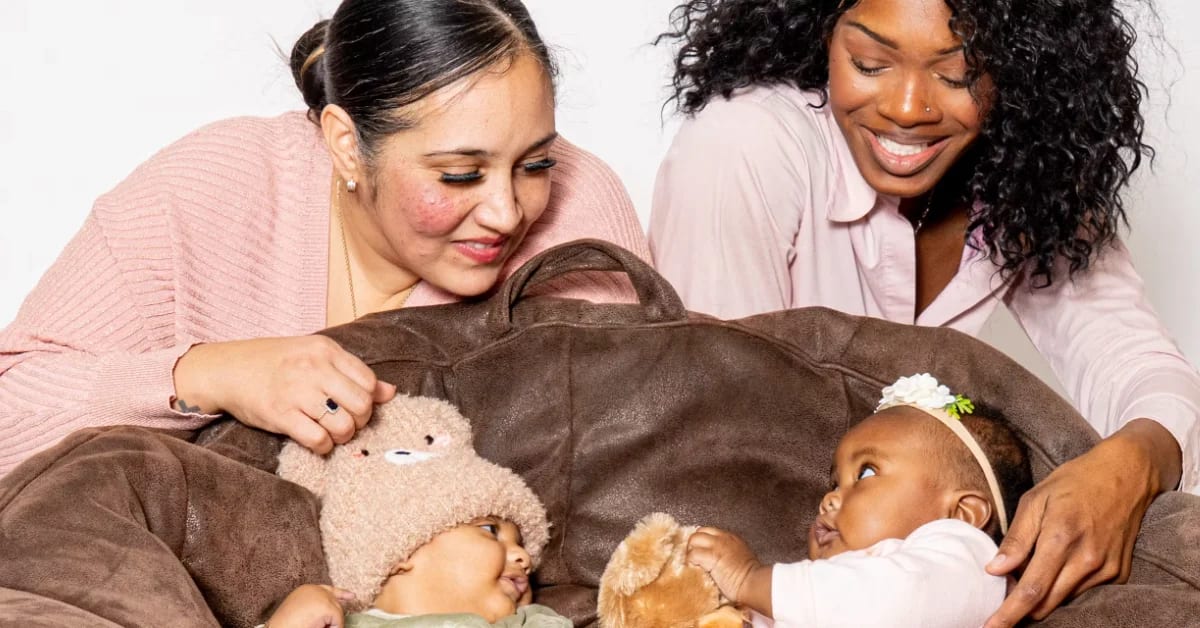
Every mother in participating Michigan communities gets $1,500 during pregnancy. Then families receive $500 every month until their baby turns one. There are no income requirements and no rules about how to spend it.
The program treats entire communities instead of means-testing individual families. This removes stigma and red tape while maximizing reach. So far, more than 15,000 families across dozens of Michigan towns have received over $55 million.
The health impacts are remarkable. In Flint, the first city to launch Rx Kids, preterm births dropped 18% and low birth weight fell 27%. Early research shows a 50% reduction in newborn deaths.
Mothers are starting prenatal care earlier and attending more appointments. They report less postpartum depression, anxiety, and stress. Housing has become more stable and nutrition has improved.
The program has also cut infant maltreatment reports by 32%, preventing thousands of families from entering the child welfare system. Beyond health benefits, the cash boost creates jobs and stimulates local economies while saving public money on expensive hospital stays.
The Ripple Effect
Rx Kids started in Flint and now serves over 60 Michigan communities, including the entire rural Upper Peninsula. In February 2026, Detroit joined the program, adding 7,500 more babies each year. The program expects to reach nearly 25,000 Michigan babies annually and just launched in Ohio.
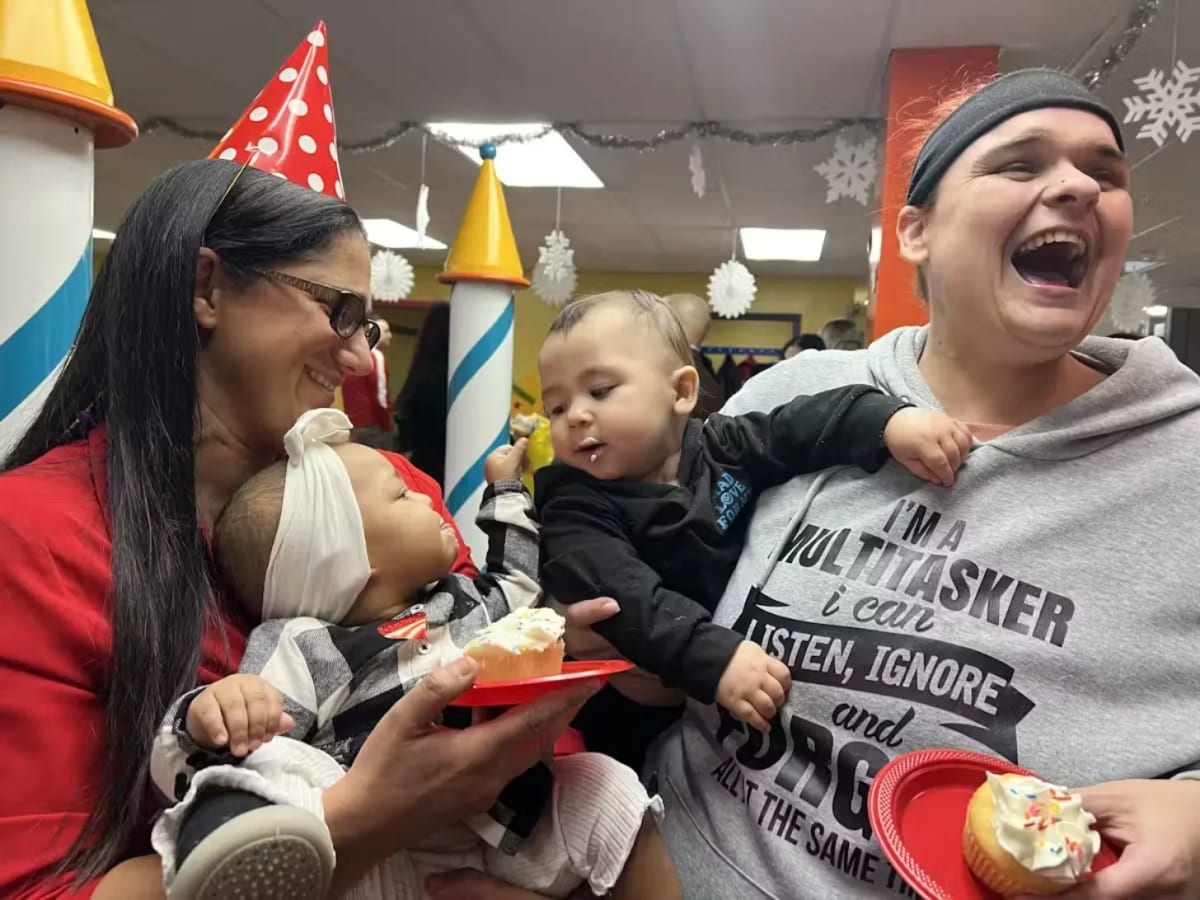
"Cash support helps us keep housing, pay bills, maintain our health, and support our partners, too," said Nyah Phillips, an Rx Kids mom from Inkster, Michigan. "It allows parents to focus on health instead of survival. And every parent deserves that."
Doctors are feeling the impact too. In a new study, pediatricians reported better professional fulfillment and less burnout. When patients can meet basic needs, physicians can practice the medicine they trained for instead of watching families struggle with hunger and homelessness.
The program builds on proven science showing income is one of the strongest predictors of health. Similar child allowances around the world have successfully reduced child poverty. The U.S. briefly expanded its child tax credit in 2021, cutting child poverty to record lows before the expansion ended and millions of children fell back into poverty.
This time, Michigan is showing a different path forward: trust families with cash and watch them thrive.
More Images


Based on reporting by Good Good Good
This story was written by BrightWire based on verified news reports.
Spread the positivity!
Share this good news with someone who needs it